11/4/2025 星期二 Tuesday
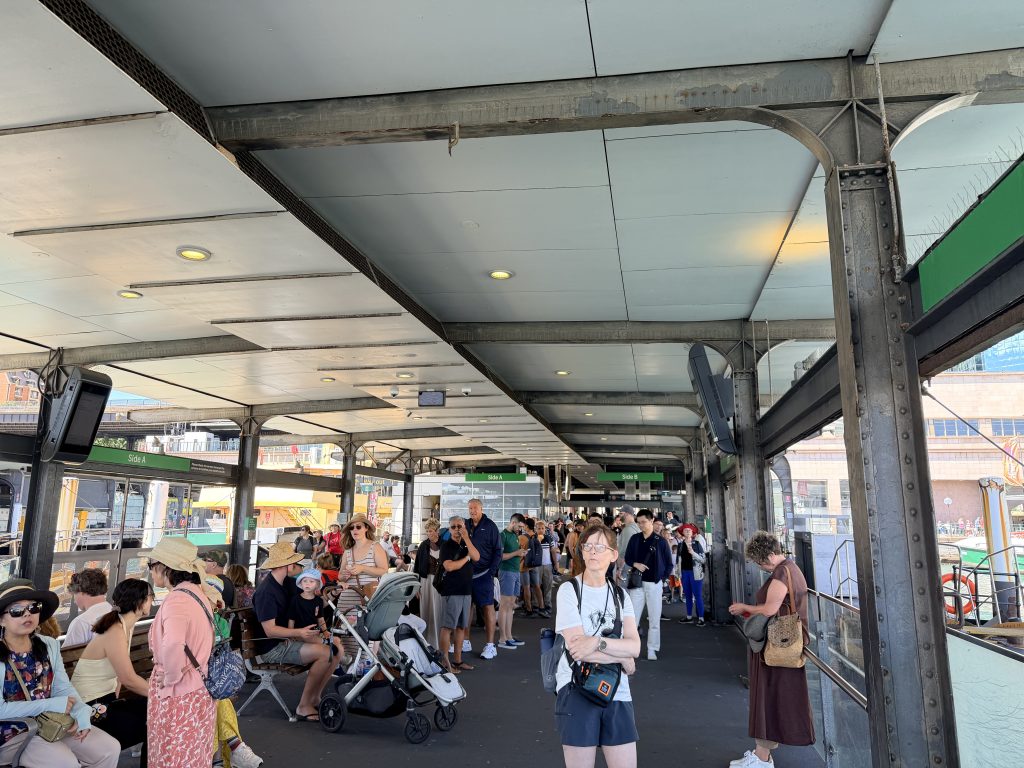
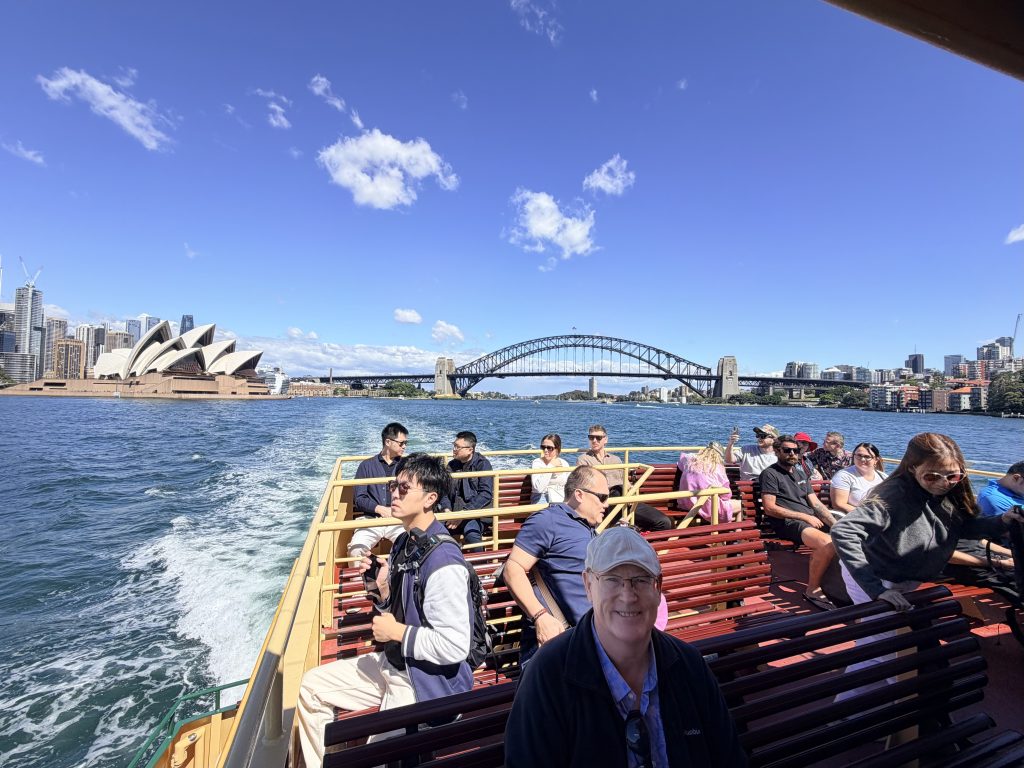
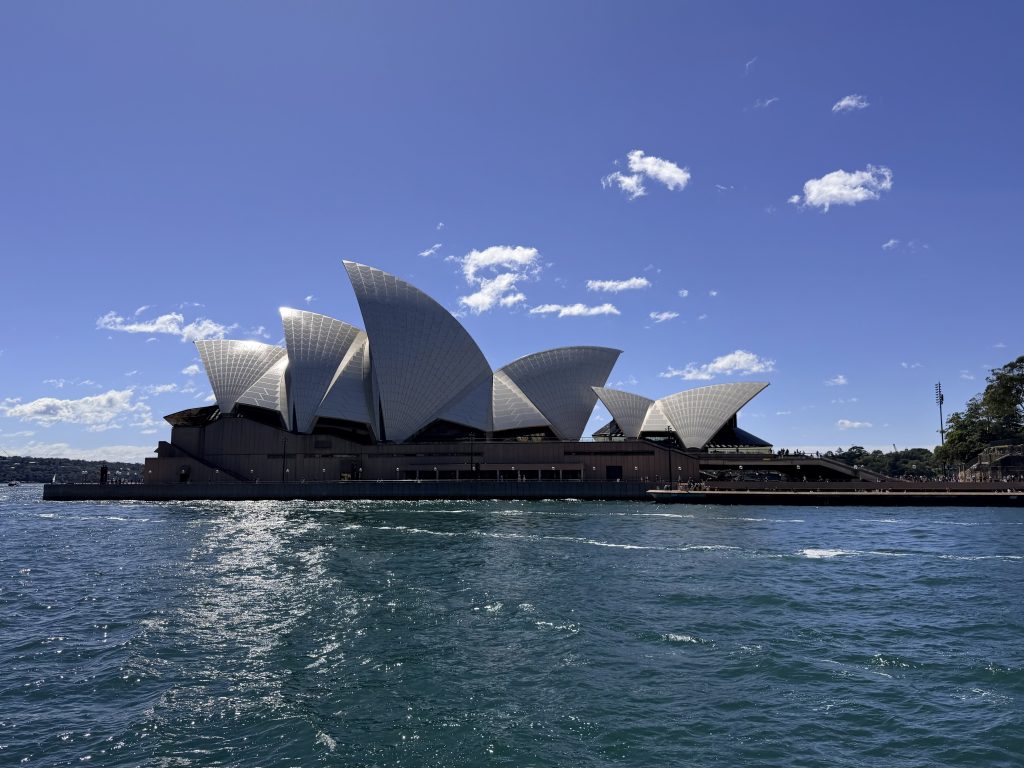
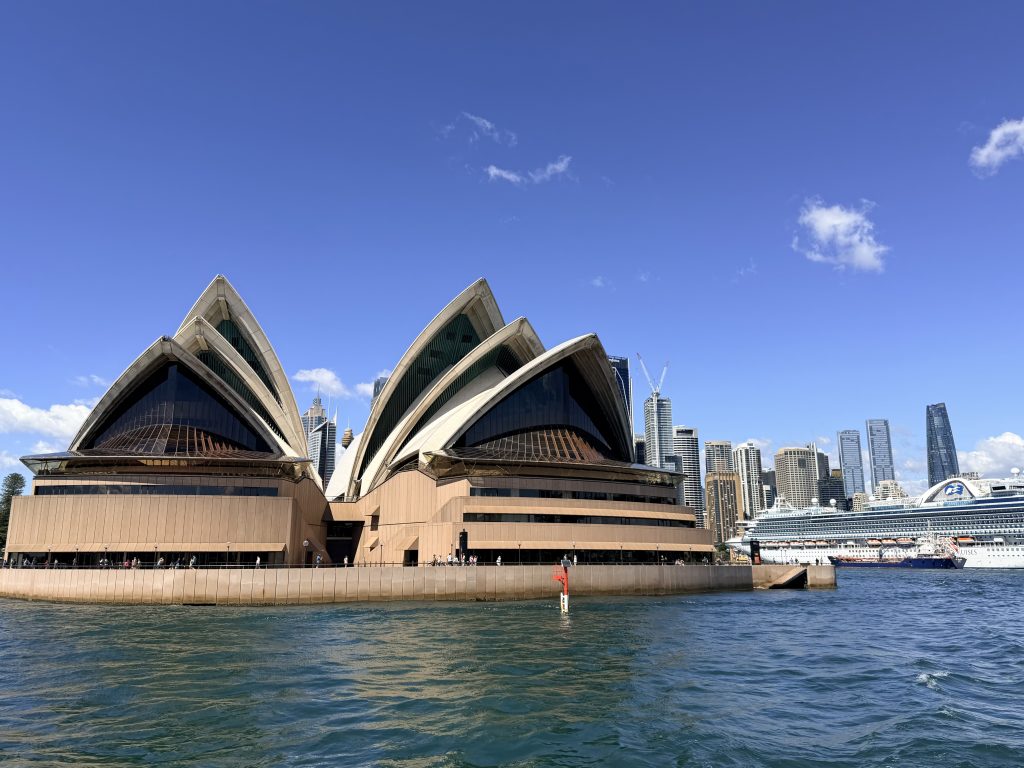
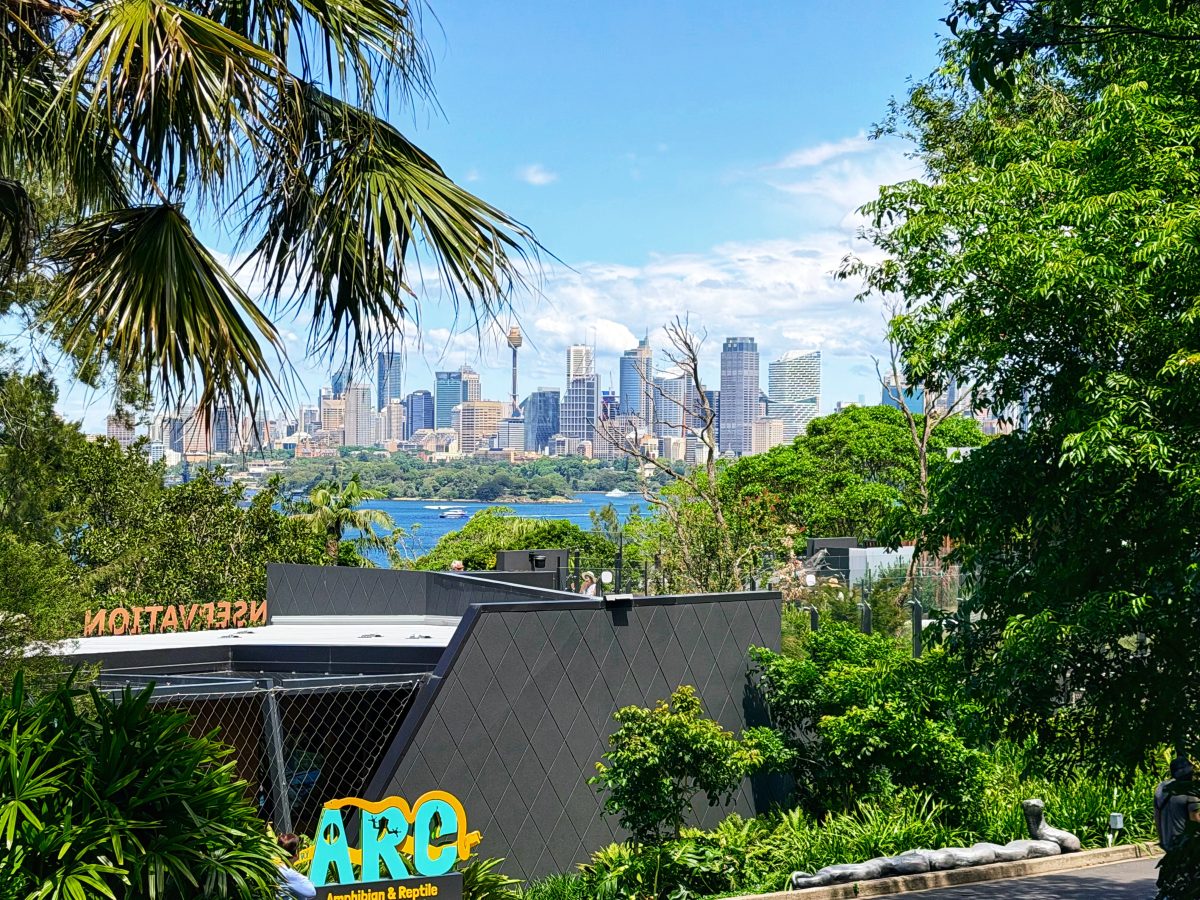
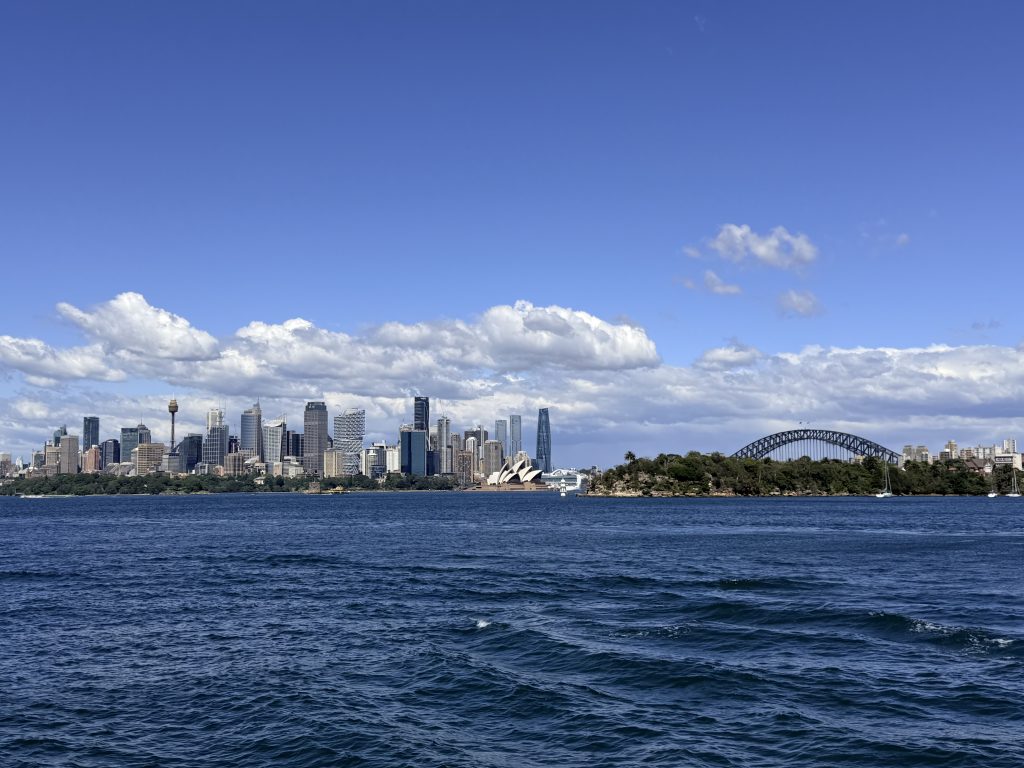
上午去了悉尼塔龙加动物园。动物园坐落在悉尼港北岸的莫斯曼(Mosman)山坡上,视野极佳——从环形码头(Circular Quay)坐上渡轮,不到二十分钟便能抵达。那一段航程本身就像是一场小小的序曲,海风轻拂,天光与浪花交错,远处的歌剧院和海港大桥渐渐退到背景里,而动物园藏在一片郁郁葱葱的绿意之中。
In the morning, we visited Sydney’s Taronga Zoo. The zoo sits on the hillside of Mosman, on the north shore of Sydney Harbour, offering a magnificent view. From Circular Quay, it takes less than twenty minutes by ferry to get there. The short voyage itself feels like a prelude — sea breeze brushing by, sunlight dancing on the waves, the Opera House and Harbour Bridge gradually receding into the background, while the zoo nestles amid lush greenery.
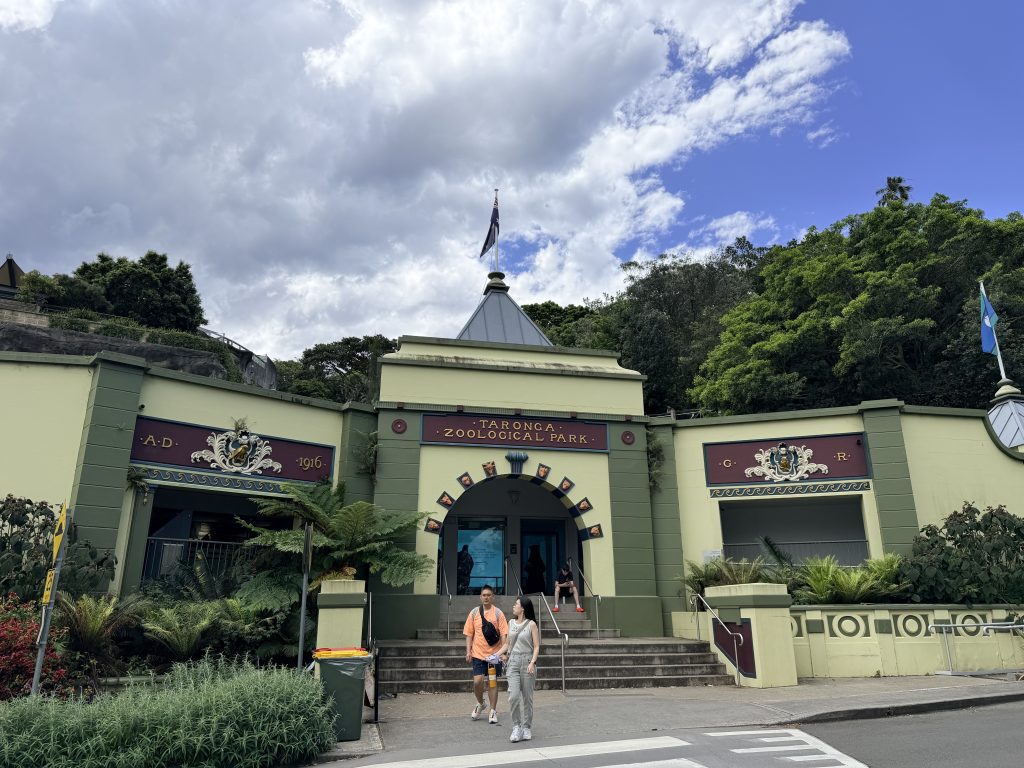
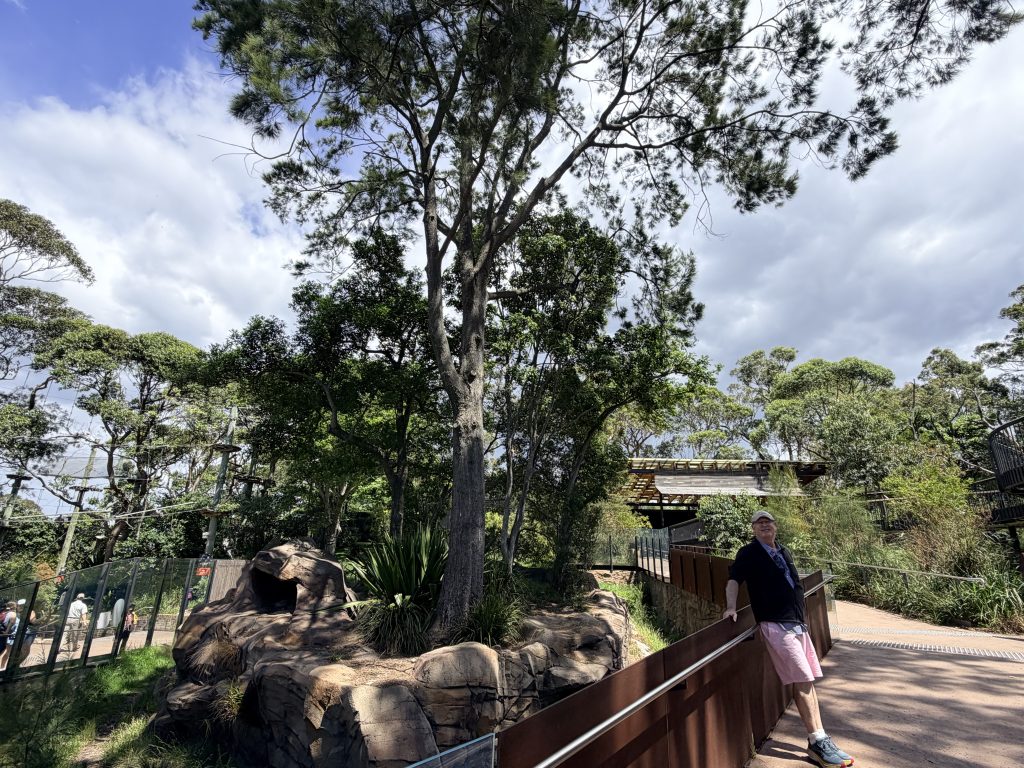
塔龙加动物园的历史可以追溯到1916年,是澳大利亚最早的现代动物园之一。当时,悉尼旧动物园因为条件简陋,被决定迁移至如今的山坡位置——一处能让动物更接近自然栖息环境的地方。动物园的名字“Taronga”来自原住民语,意思是“美丽的景色”,的确名副其实。如今的园区早已历经百年变迁,从最初的铁笼展示到现在的开放式生态设计,每个展区都尽量还原动物原本的生活环境,而不是单纯供人“观看”的笼子。
The history of Taronga Zoo dates back to 1916, making it one of Australia’s earliest modern zoos. At that time, Sydney’s old zoo was deemed too primitive, and it was decided to relocate it to the current hillside site — a place where animals could live in an environment closer to their natural habitats. The zoo’s name, “Taronga,” comes from an Aboriginal word meaning “beautiful view,” and it truly lives up to its name. Over more than a century, the zoo has transformed from its early days of iron-bar cages to today’s open, ecological designs. Each exhibit strives to recreate the animals’ natural surroundings rather than serve as mere enclosures for people to “look at.”
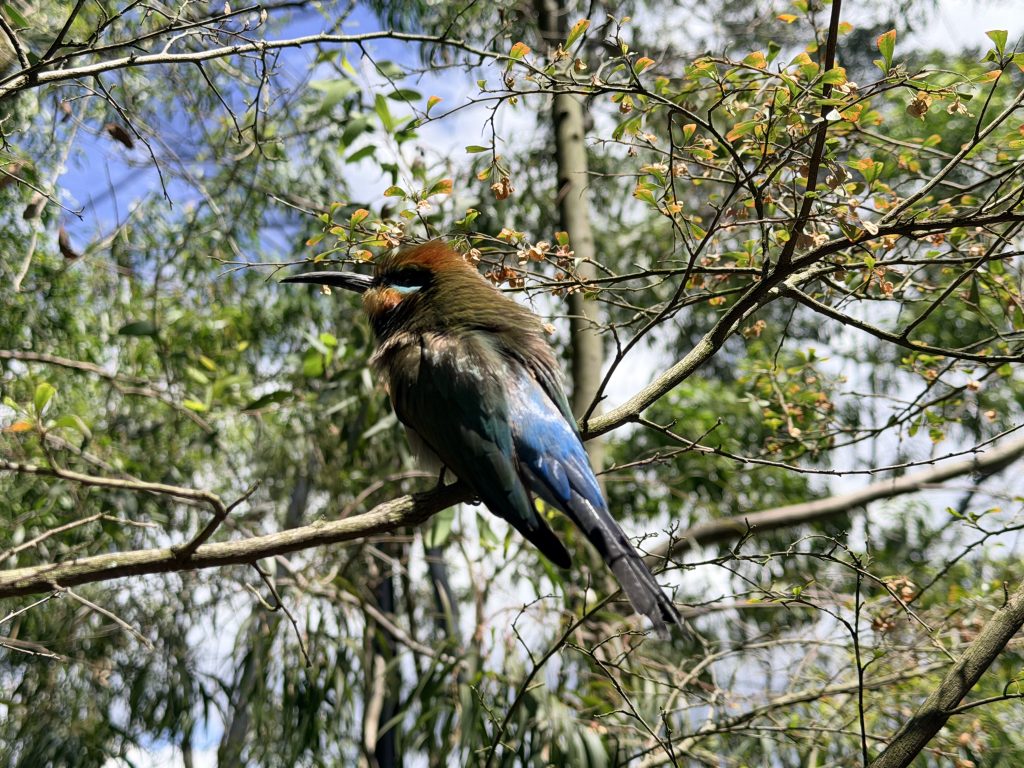
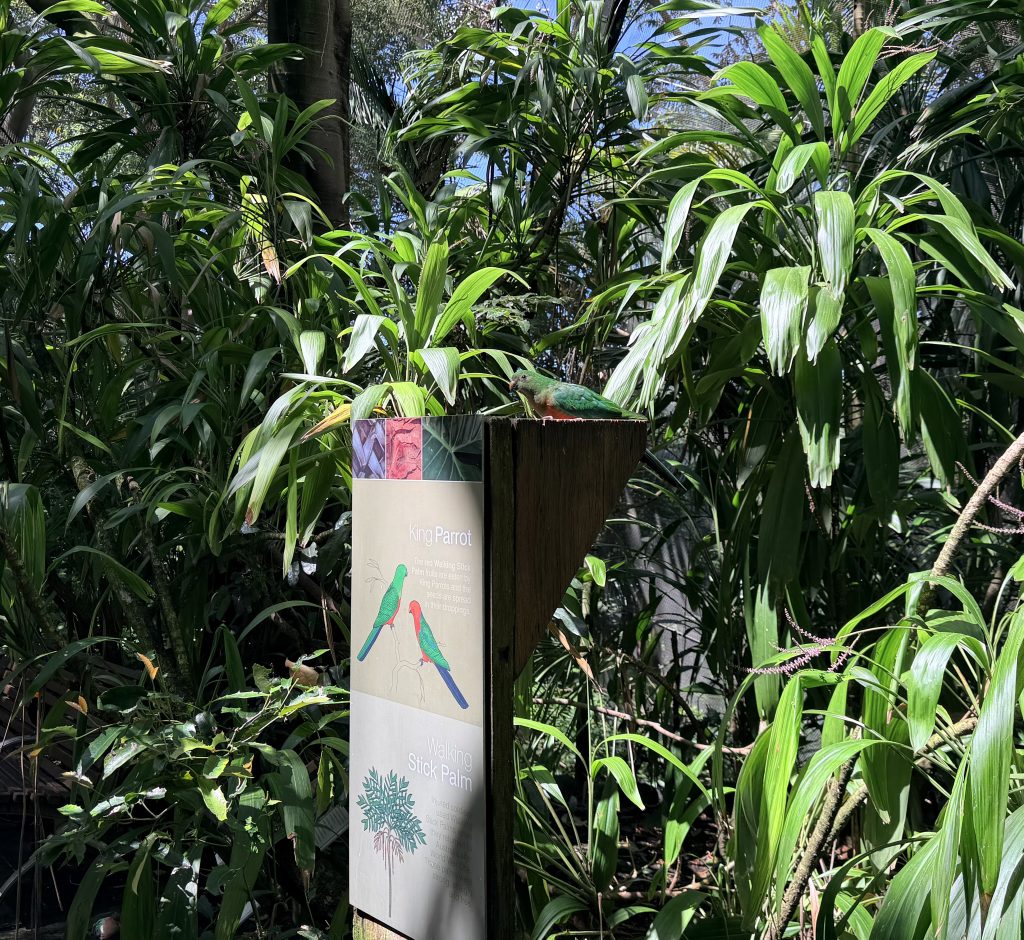
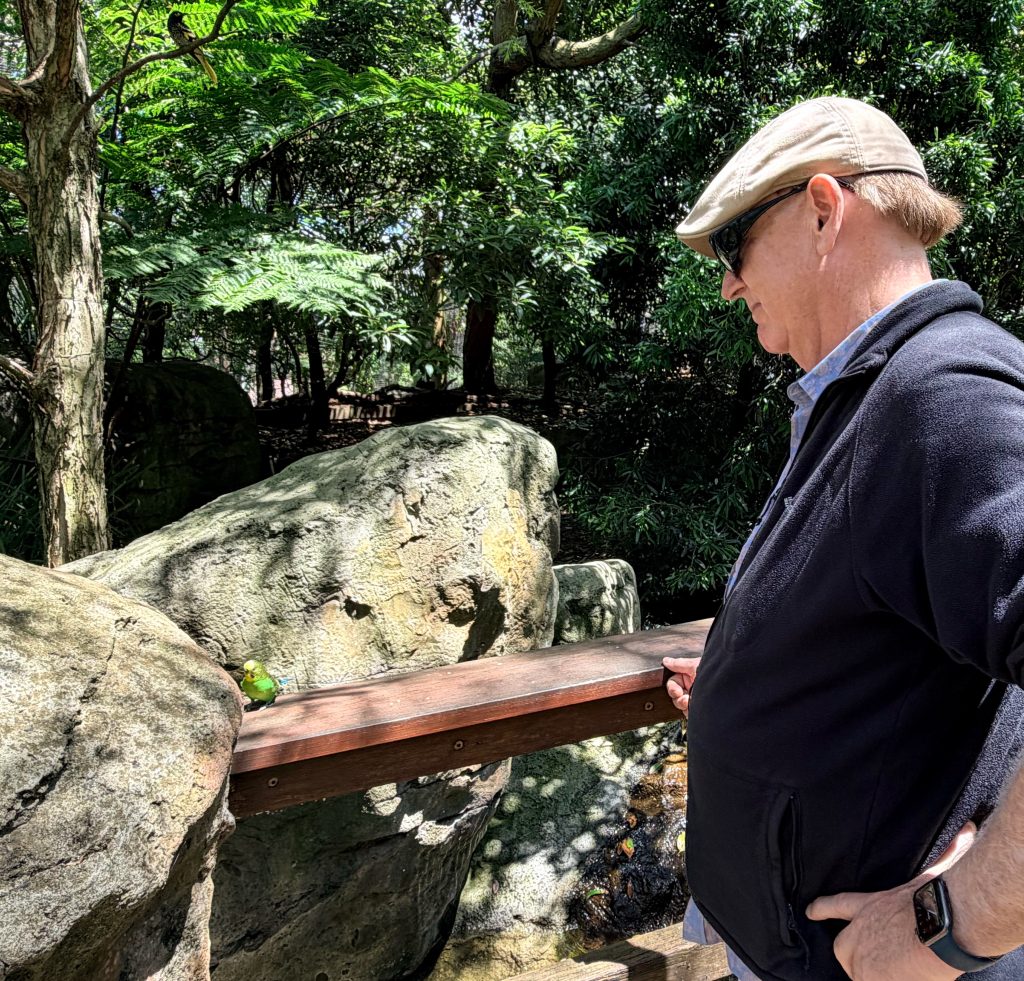
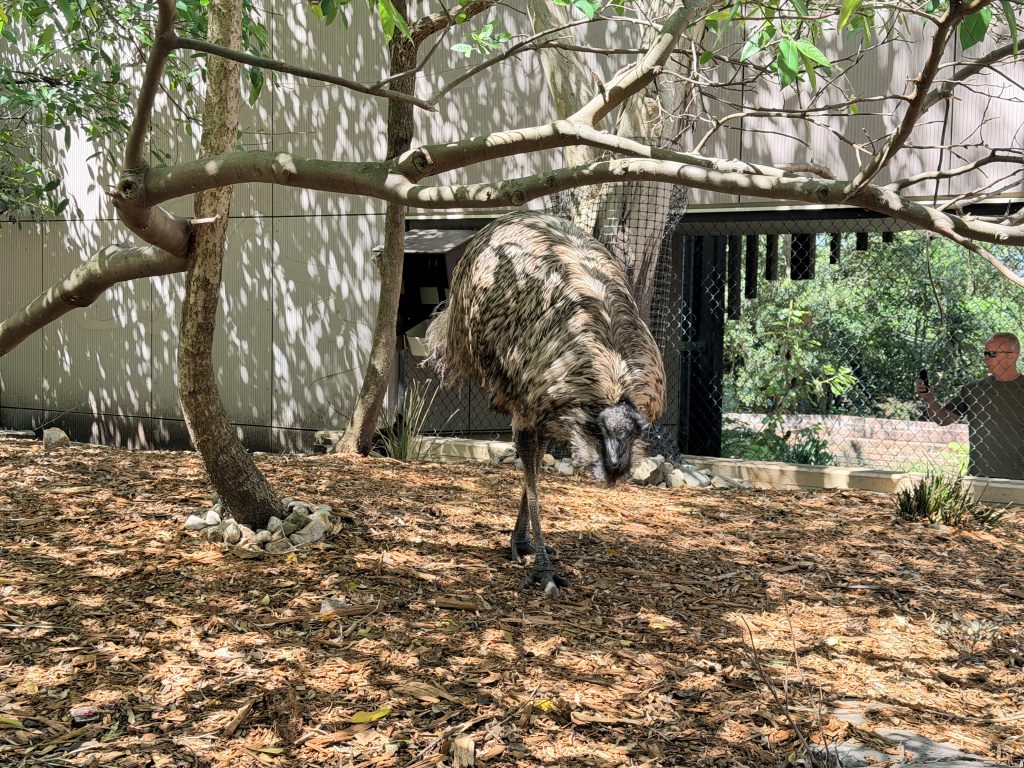
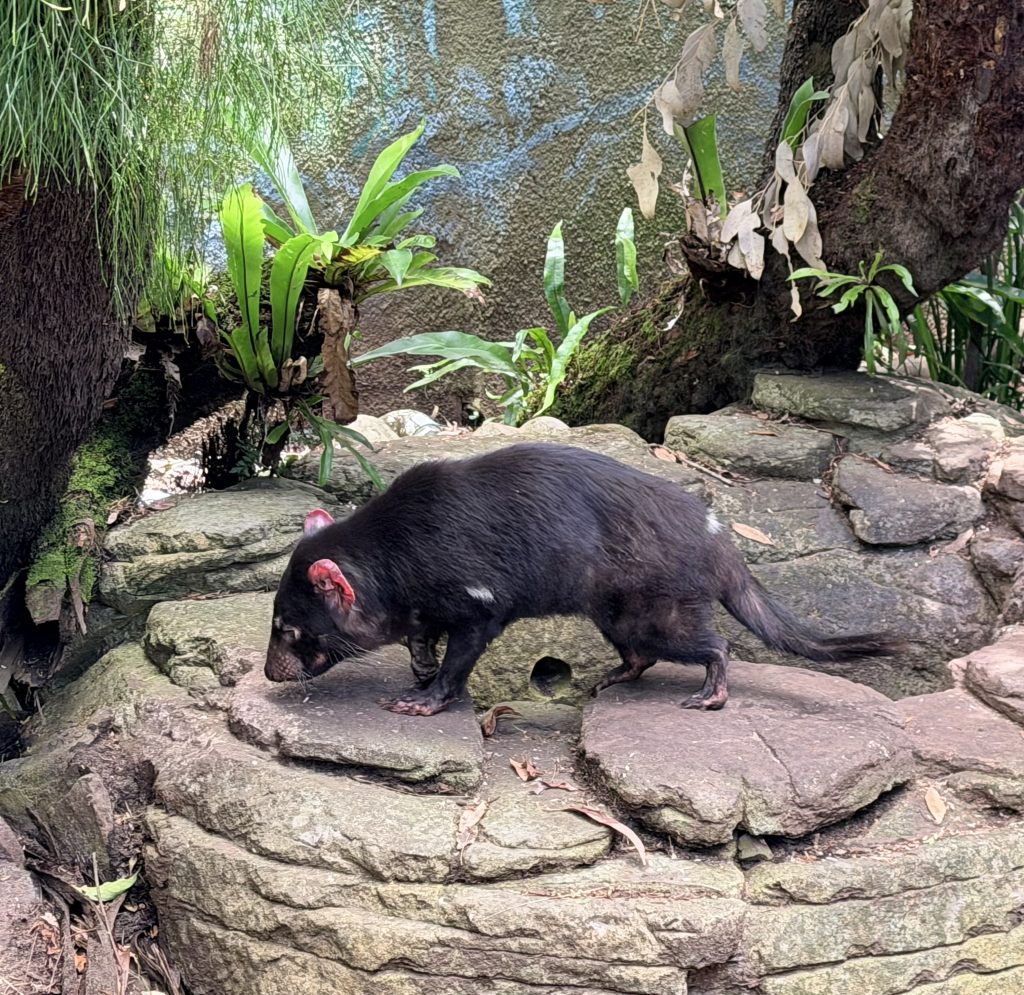
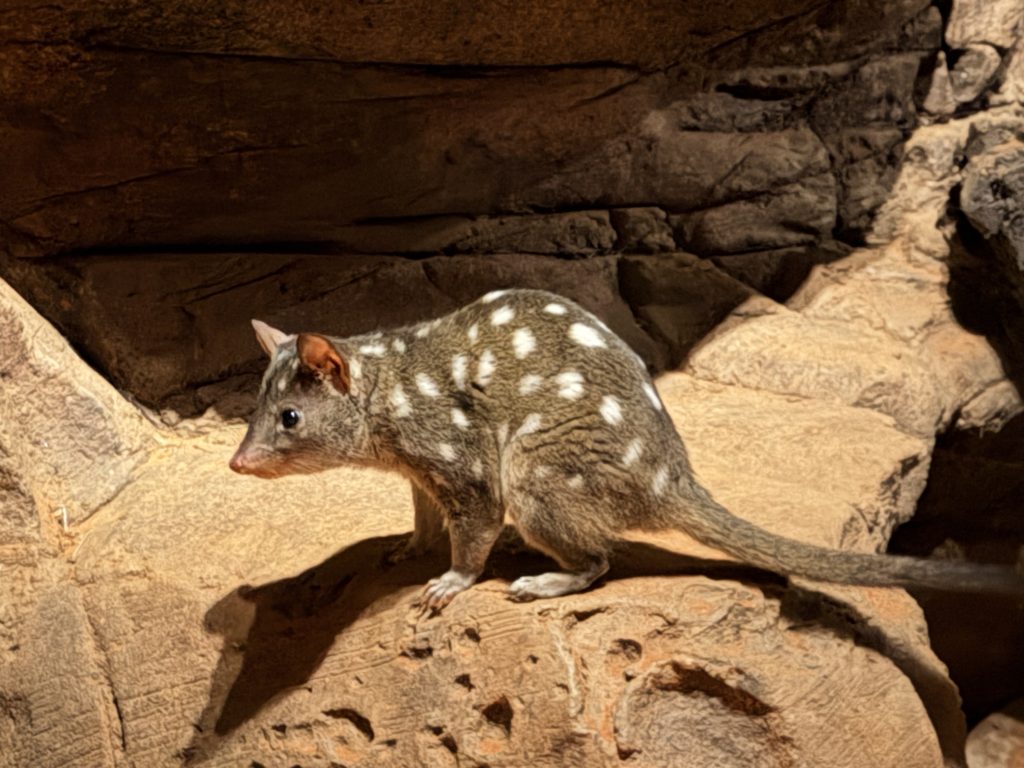
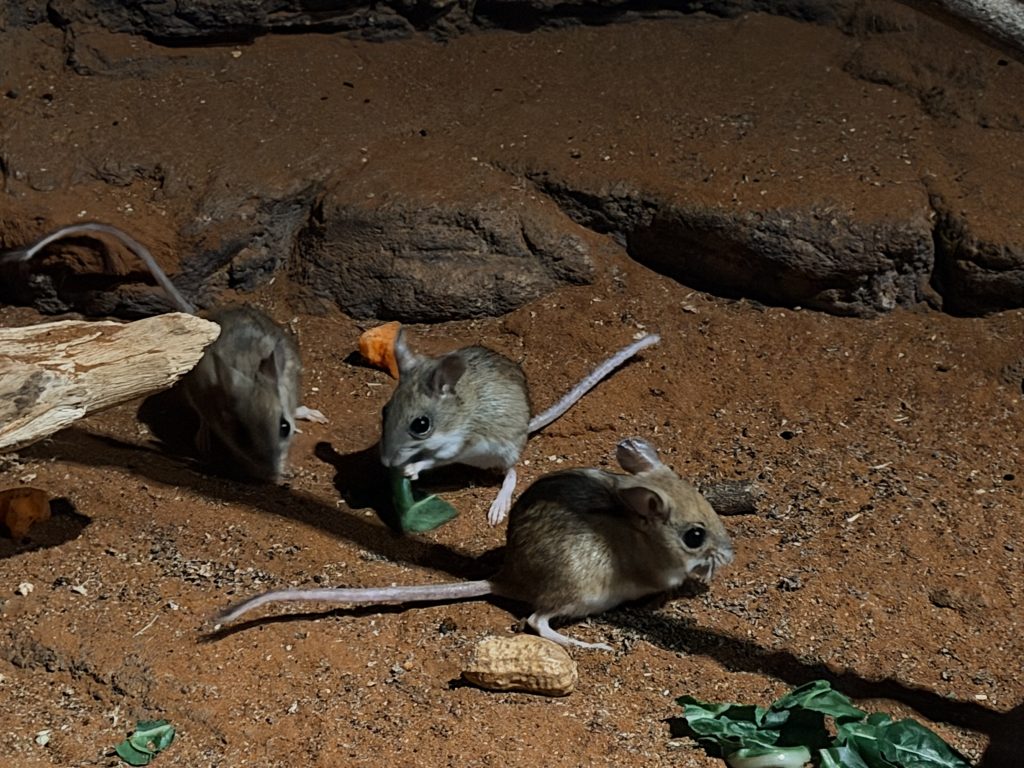
门票成人55澳元,当然某人享受到了老年人46澳元的价格,票价不低,但走进园区后,便会明白为什么它是世界上最具代表性的动物园之一。园内依山而建,蜿蜒的步道被热带植物包围,空气中弥漫着树草花的香气。动物与植被交织成一幅安静的图景。我们只参观了澳大利亚特有的动物的园区,看到了神情冷漠的针鼹,在阳光下闪着亮色羽毛的各种鸟类,独有的夜行动物们,而最让人期待的,当然是袋鼠和树袋熊。
Admission is 55 AUD for adults — though someone enjoyed the senior rate of 46 AUD. The price isn’t low, but once inside, it’s easy to see why this is considered one of the most iconic zoos in the world. Built along the hillside, its winding paths are surrounded by tropical plants, and the air is filled with the fragrance of trees and flowers. Animals and vegetation blend into a serene landscape. We only visited the section dedicated to Australia’s native species, where we saw the aloof echidnas, a variety of birds shimmering in the sunlight, and unique nocturnal creatures. But the highlight, of course, was the kangaroos and koalas.
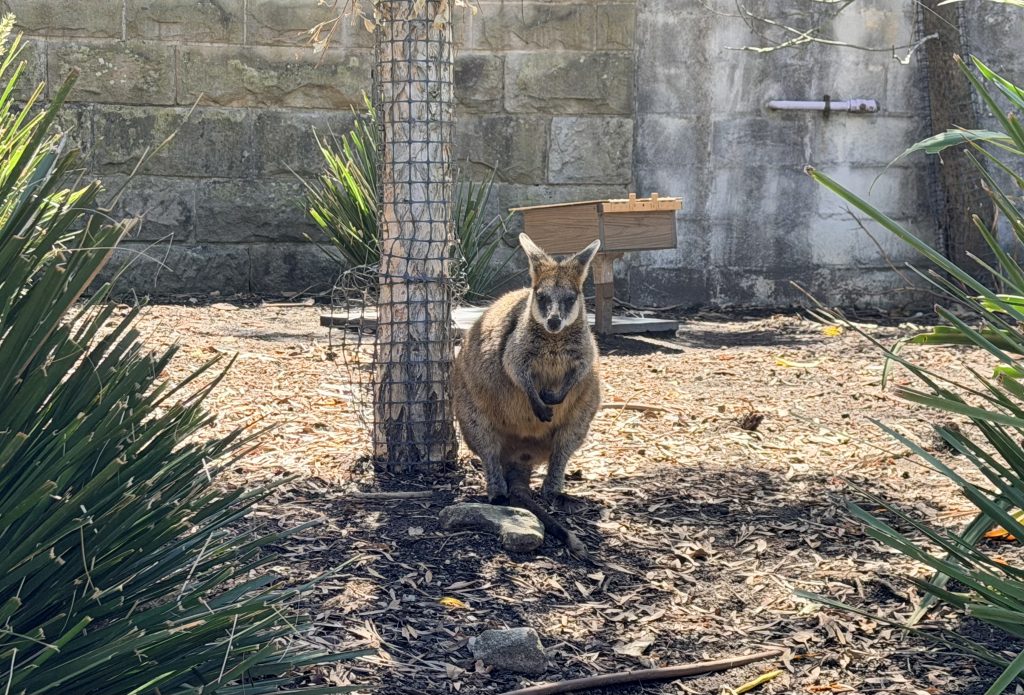
原以为袋鼠只是一个物种,到了这里才发现,它们其实有好几种:高大的红大袋鼠、温顺的灰袋鼠,还有身形小巧的沙袋鼠。
I had thought kangaroos were just one species, but here I discovered there are actually several kinds: the towering red kangaroo, the gentle gray kangaroo, and the smaller, more delicate wallaby, which isn’t actually a kangaroo!
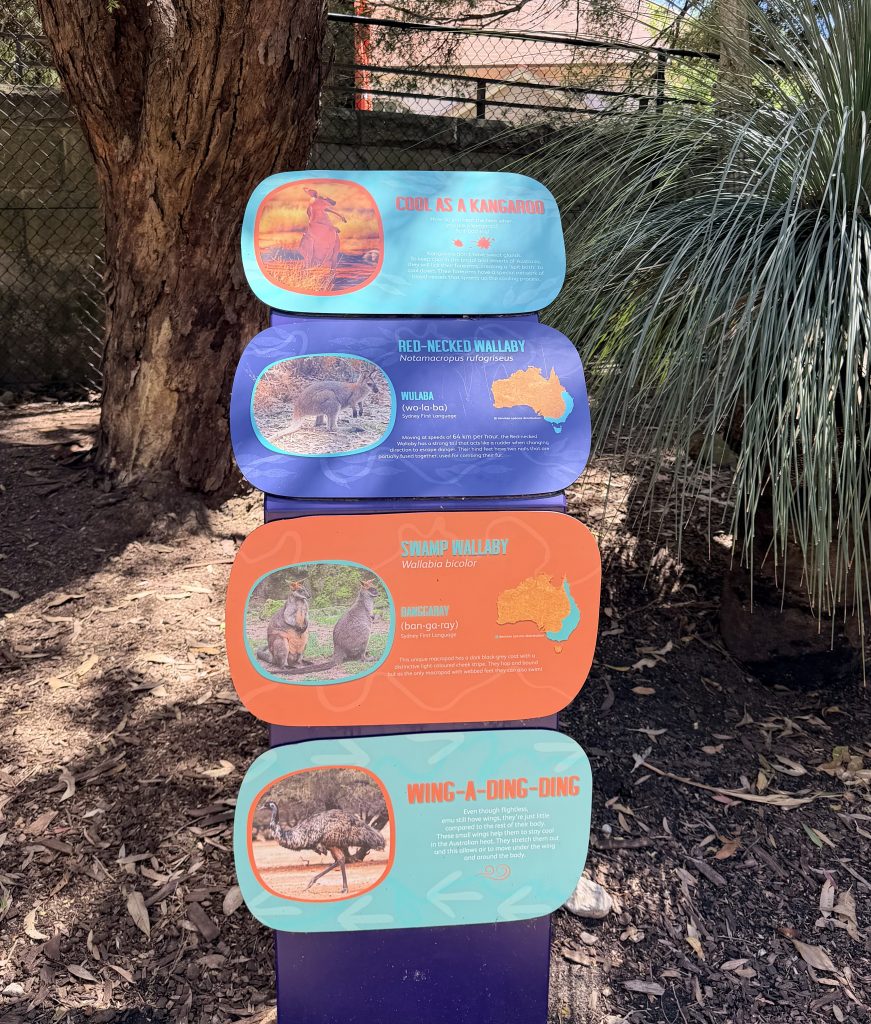
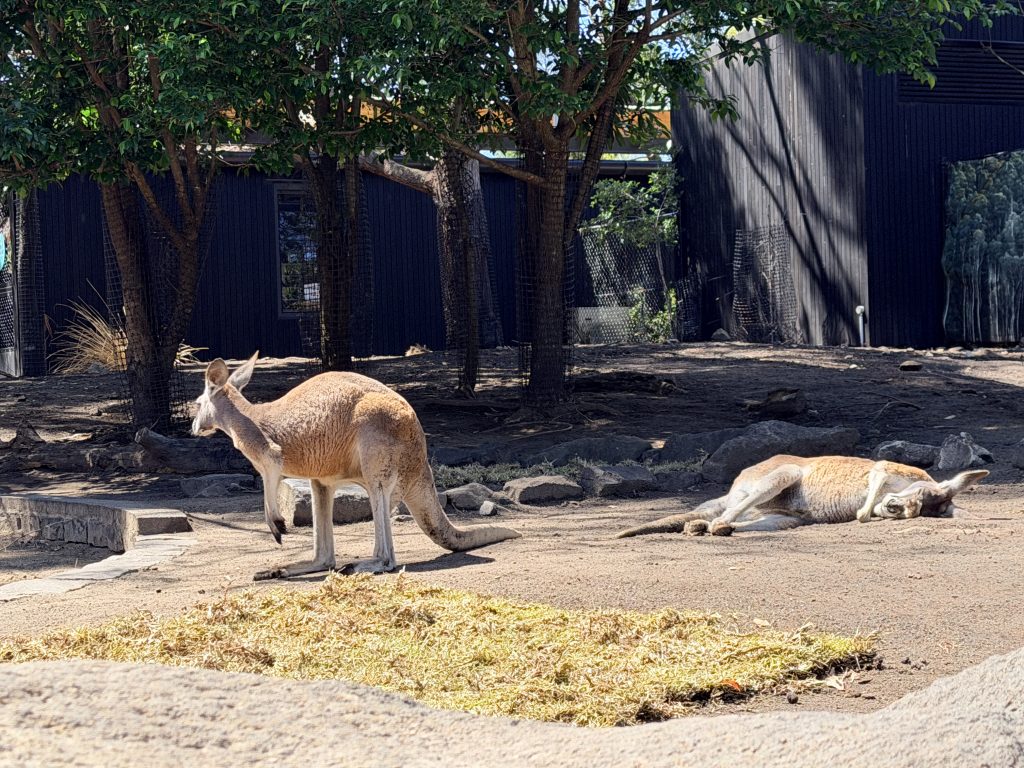
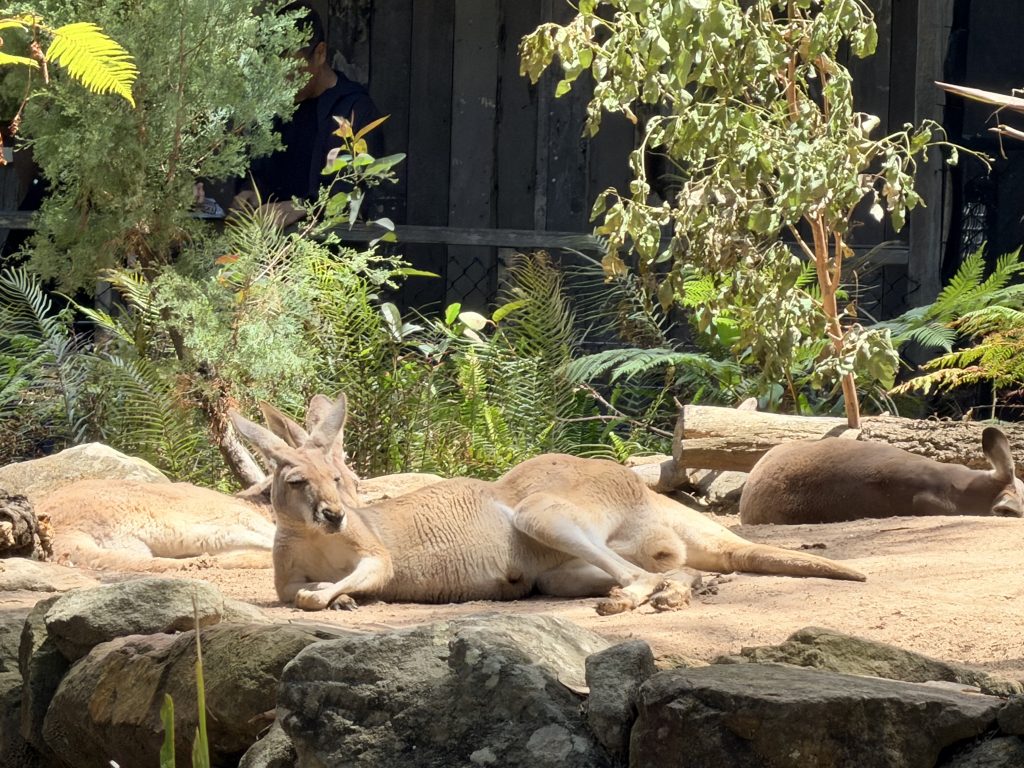
最让我兴奋的,当然是第一次见到真正的袋鼠。走进袋鼠区,它们都懒洋洋地躺在地上,任阳光洒在身上,一副彻底放假的模样。看到介绍牌才学习到,袋鼠其实没有汗腺,不能出汗散热。为了降温,它们会选择趴在阴凉的地面上,或者干脆用前爪沾上唾液,拍在自己胸口和胳膊上,让水分蒸发带走热气。
What excited me most, of course, was seeing a real kangaroo for the first time. As we entered the kangaroo area, they were all lazily sprawled on the ground, basking in the sunlight as if on a long holiday. Reading the information board, I learned that kangaroos actually have no sweat glands and cannot cool down by sweating. To regulate their body temperature, they often lie on cool, shaded ground—or dip their front paws in saliva and pat it onto their chests and arms, letting the evaporation carry away the heat.
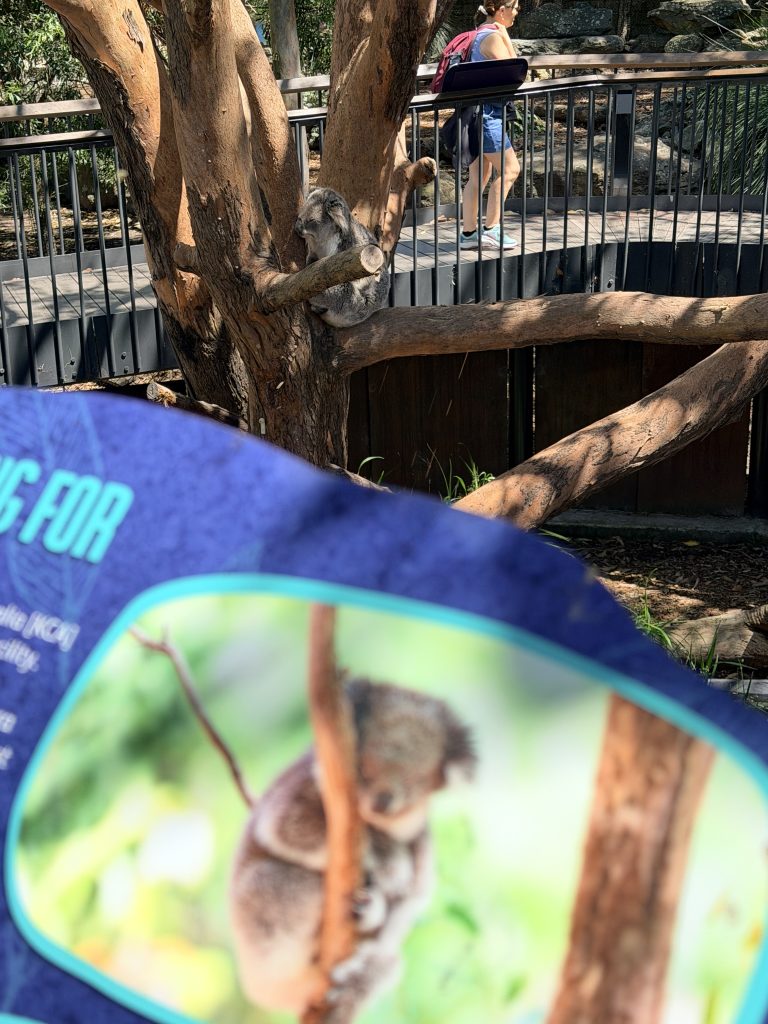
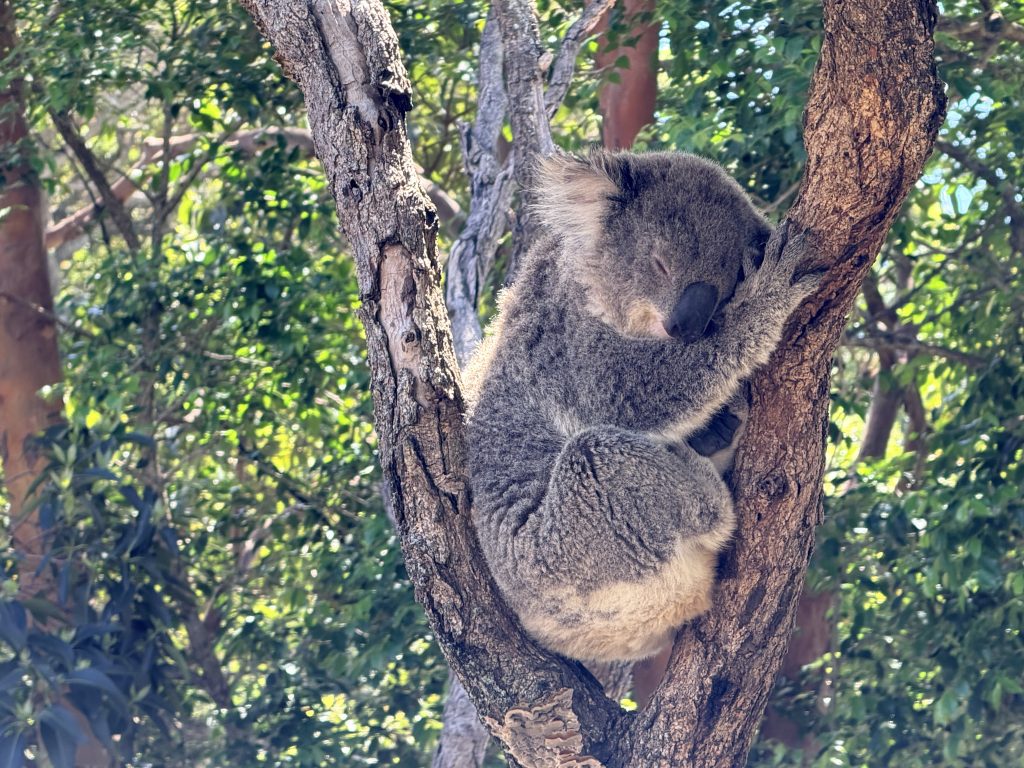
再往前走,到了树袋熊区。它们几乎都挂在树杈上,像精心摆放的毛绒玩偶,一动不动,仿佛在与世隔绝。树袋熊一天要睡足二十个小时,醒来吃一点桉树叶,然后又接着睡。看它们慢慢蜷缩在枝叶间,呼吸平稳,眼皮半闭,尾巴随风轻轻晃动,仿佛时间在这一刻被拉长。
A little farther on, we reached the koala area. Most of them were clinging to the tree branches like carefully placed plush toys, motionless and completely detached from the world. Koalas sleep up to twenty hours a day, waking only to nibble on a few eucalyptus leaves before drifting off again. Watching them slowly curl up among the leaves, breathing softly with half-closed eyes and their tails gently swaying in the breeze, it felt as if time itself had slowed down.
树袋熊吃的桉树叶其实营养不高,还含有对其他动物来说的轻微毒素,所以它们必须节省能量,这解释了它们为什么大部分时间都在睡觉。游客们都在它们面前轻声走过,生怕打扰了它们的“高贵午休”。
The eucalyptus leaves that koalas eat are actually low in nutrients and contain mild toxins that would be harmful to most other animals. As a result, they must conserve energy — which explains why they spend most of their time sleeping. Visitors walk quietly past them, careful not to disturb their “noble afternoon nap.”
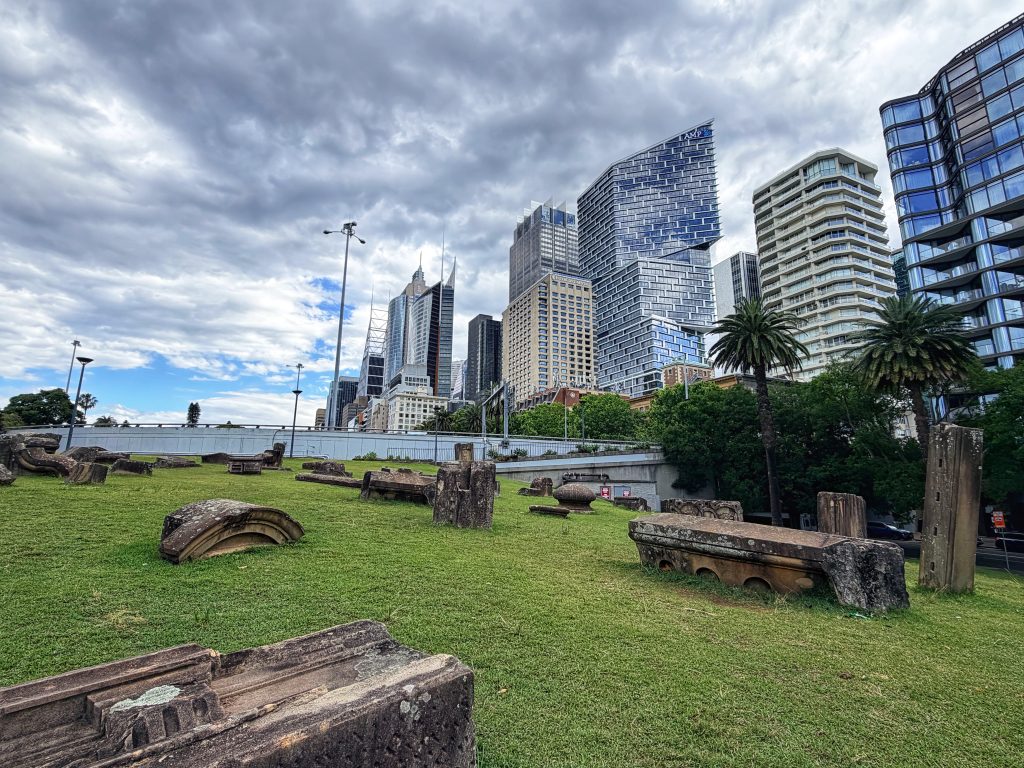
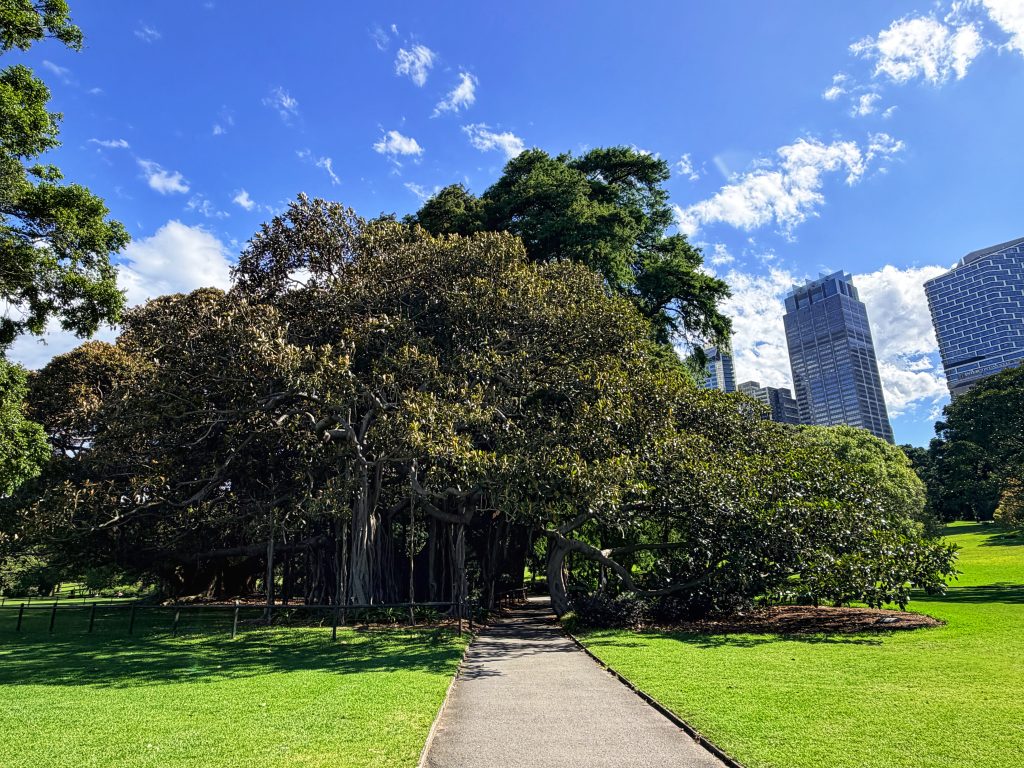
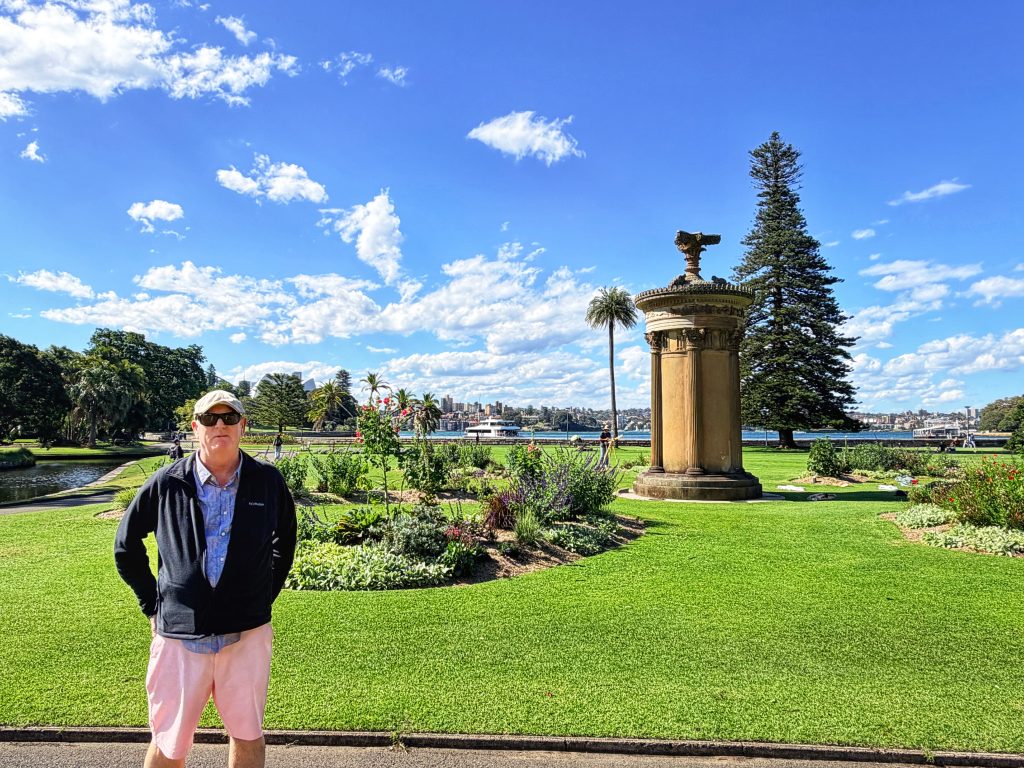
下午去了皇家植物园, 它位于悉尼歌剧院的东侧,沿着海湾展开,是这座城市最古老的公共花园之一,建于1816年,园区占地超过30公顷,是一片广阔而宁静的绿地。
In the afternoon, we visited the Royal Botanic Garden, located to the east of the Sydney Opera House and stretching along the harbor. It is one of the city’s oldest public gardens, established in 1816. Covering more than 74 acres, it offers a vast and peaceful expanse of greenery.
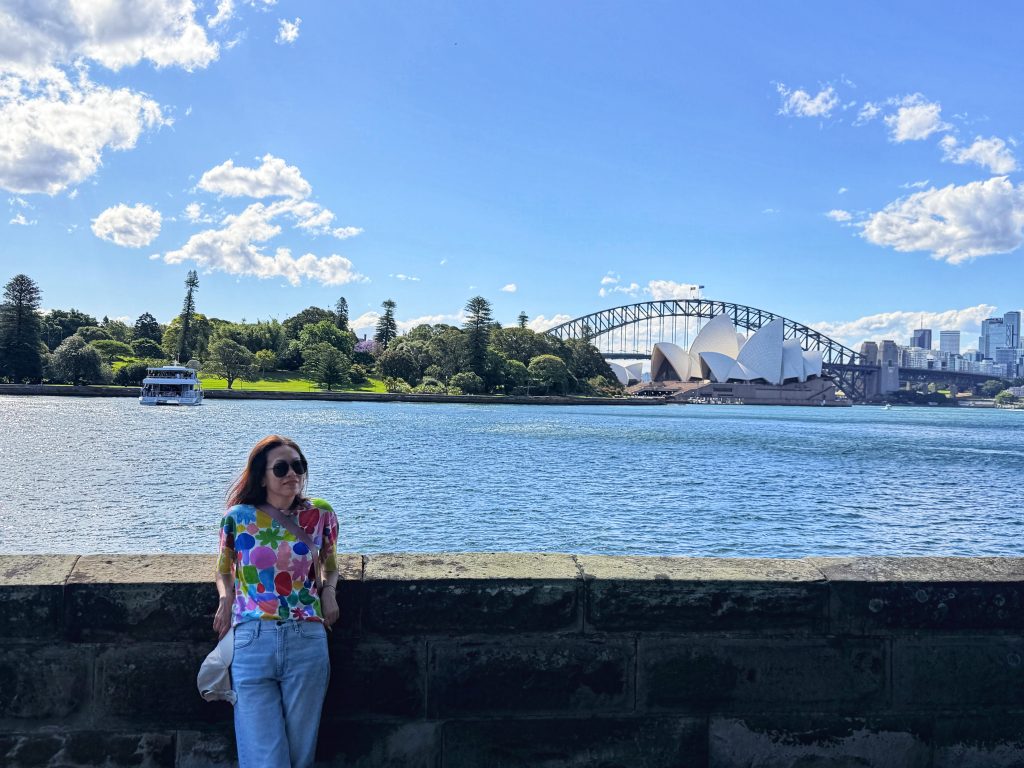
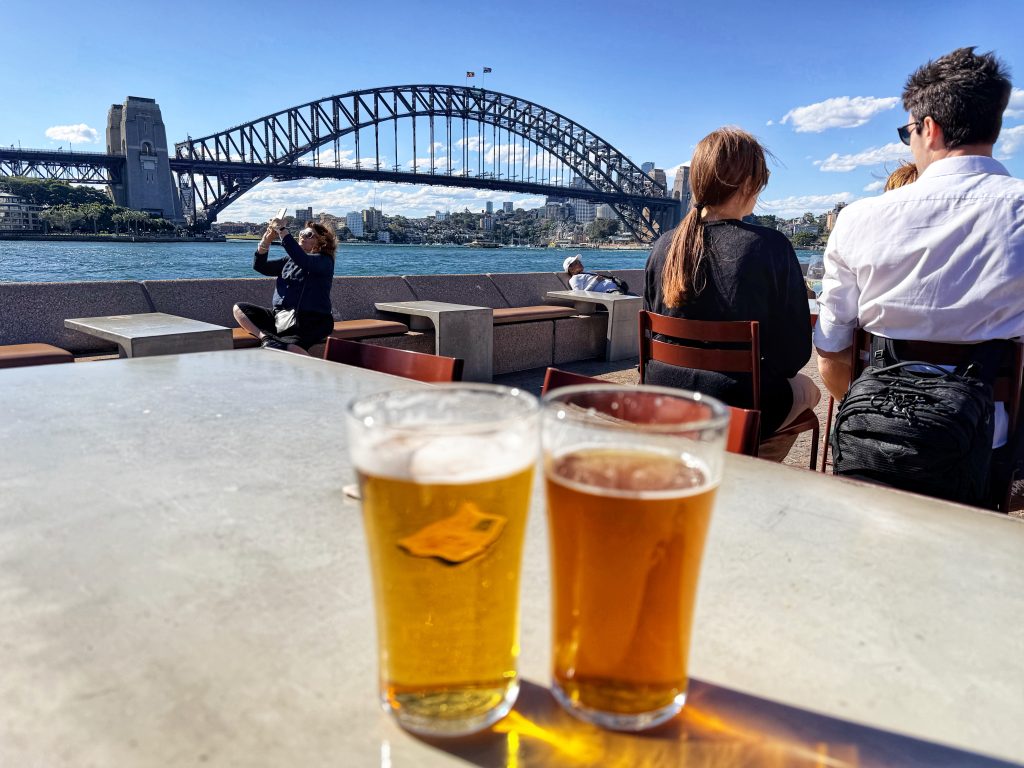
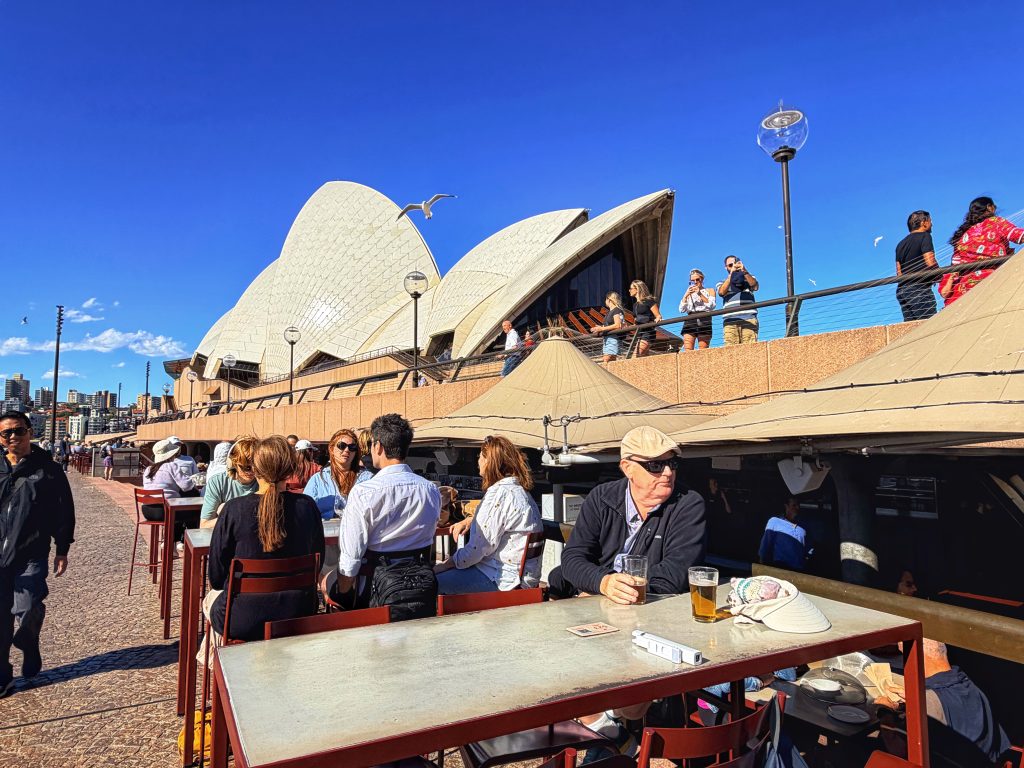
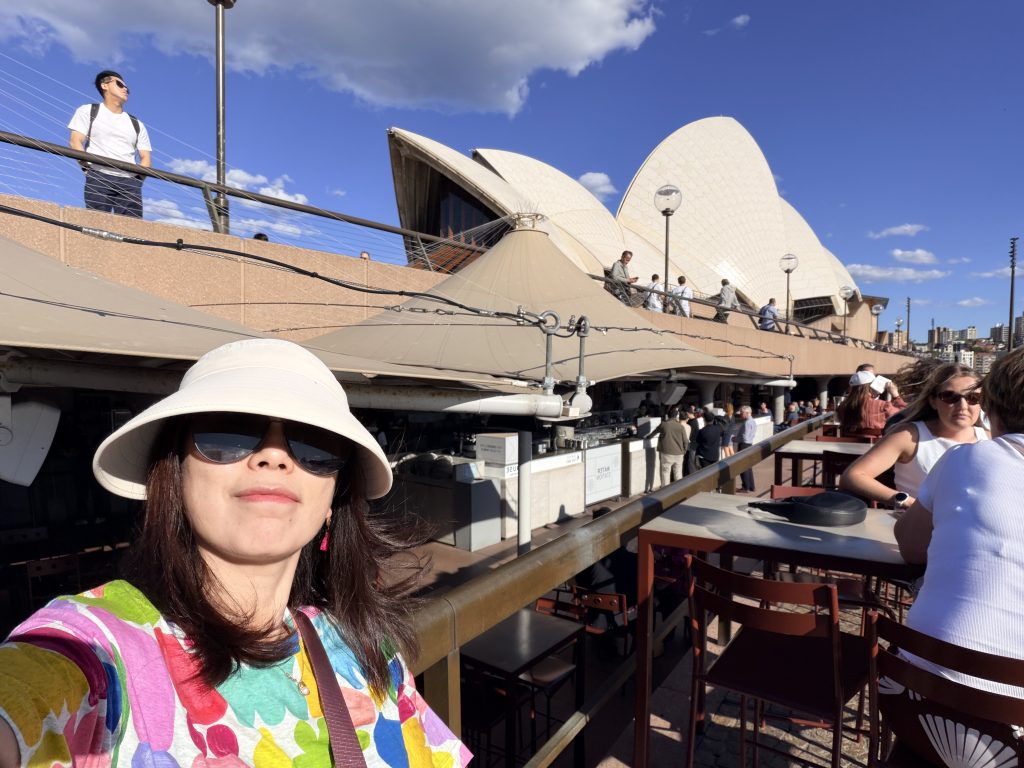
我们终于在歌剧院下方的酒吧里坐了下来,喝到了那杯昨天没能喝成的冰啤酒,算是完美补上了遗憾。坐在靠海的位置,看着人群来来往往,渡轮在港湾间穿梭,一艘巨大的邮轮缓缓离开码头,汽笛声在水面上回荡。我靠在栏杆边,拍着在头顶盘旋的海鸥,享受着微微的海风。正感叹这画面有多完美时,突然感到有东西降落到我的身上——不用说,当然是海鸥送上的“纪念品”。
We finally sat down at the bar beneath the Opera House and enjoyed the cold beer we’d missed out on yesterday — a perfect way to make up for that regret. Sitting by the water, we watched the crowds come and go, ferries gliding across the harbor, and a massive cruise ship slowly departing the pier, its horn echoing over the waves. I leaned against the railing, taking photos of the seagulls circling overhead, savoring the gentle sea breeze. Just as I was thinking how perfect the moment was, something suddenly landed on me — needless to say, it was a “souvenir” from one of those seagulls.
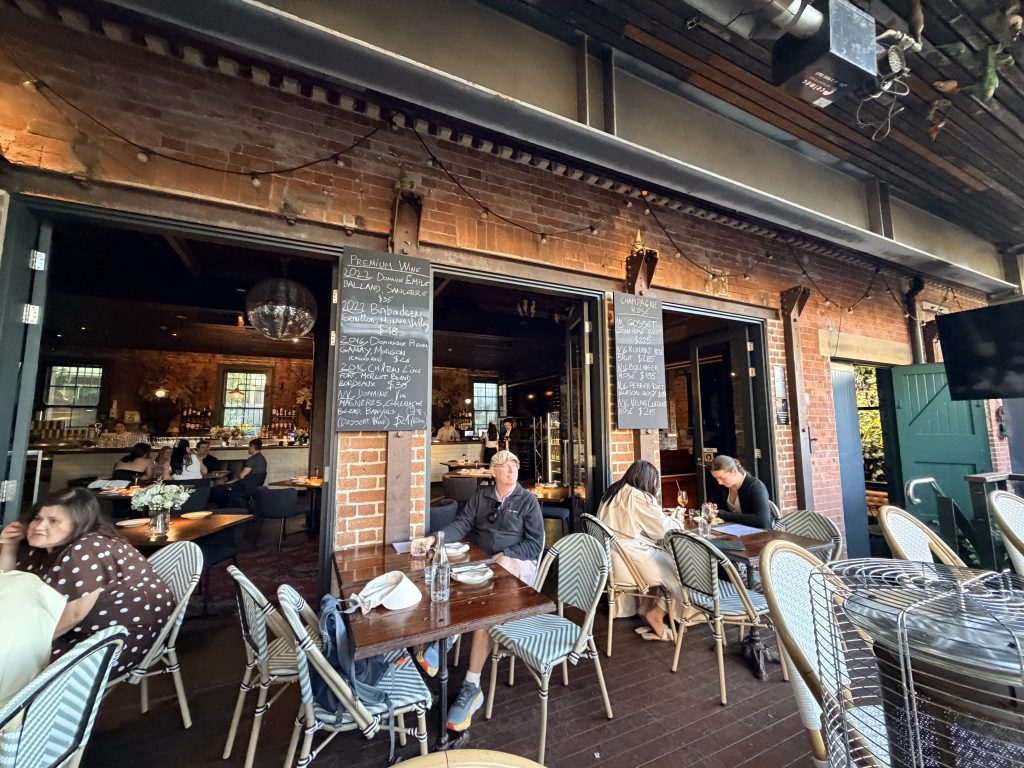
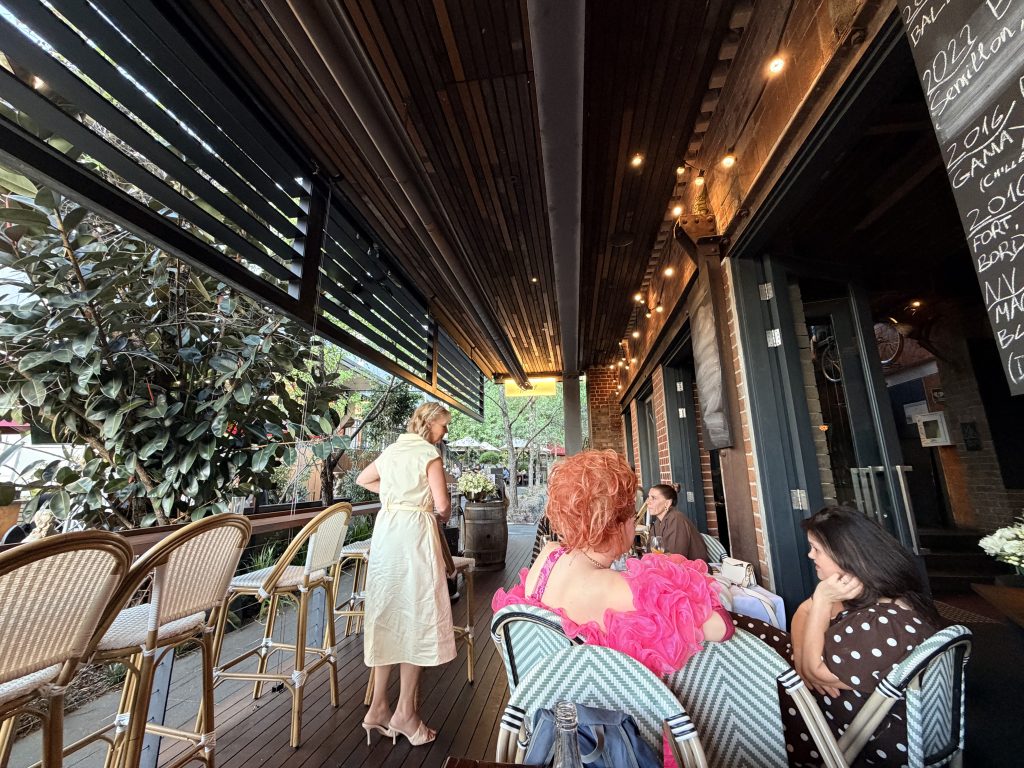
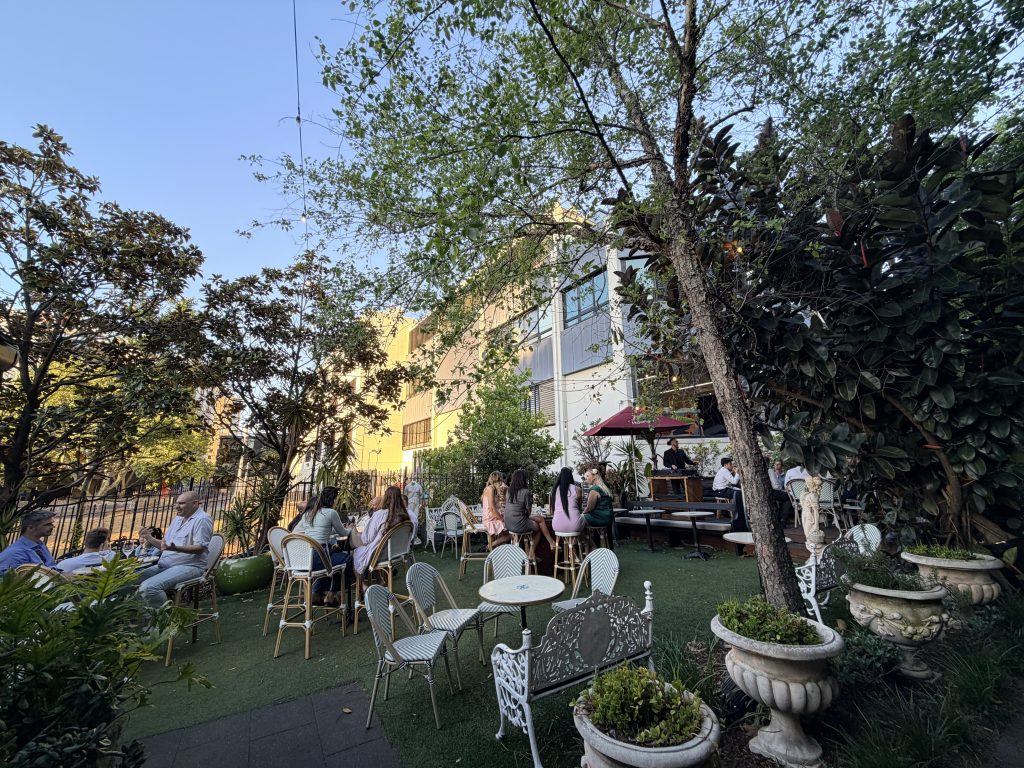
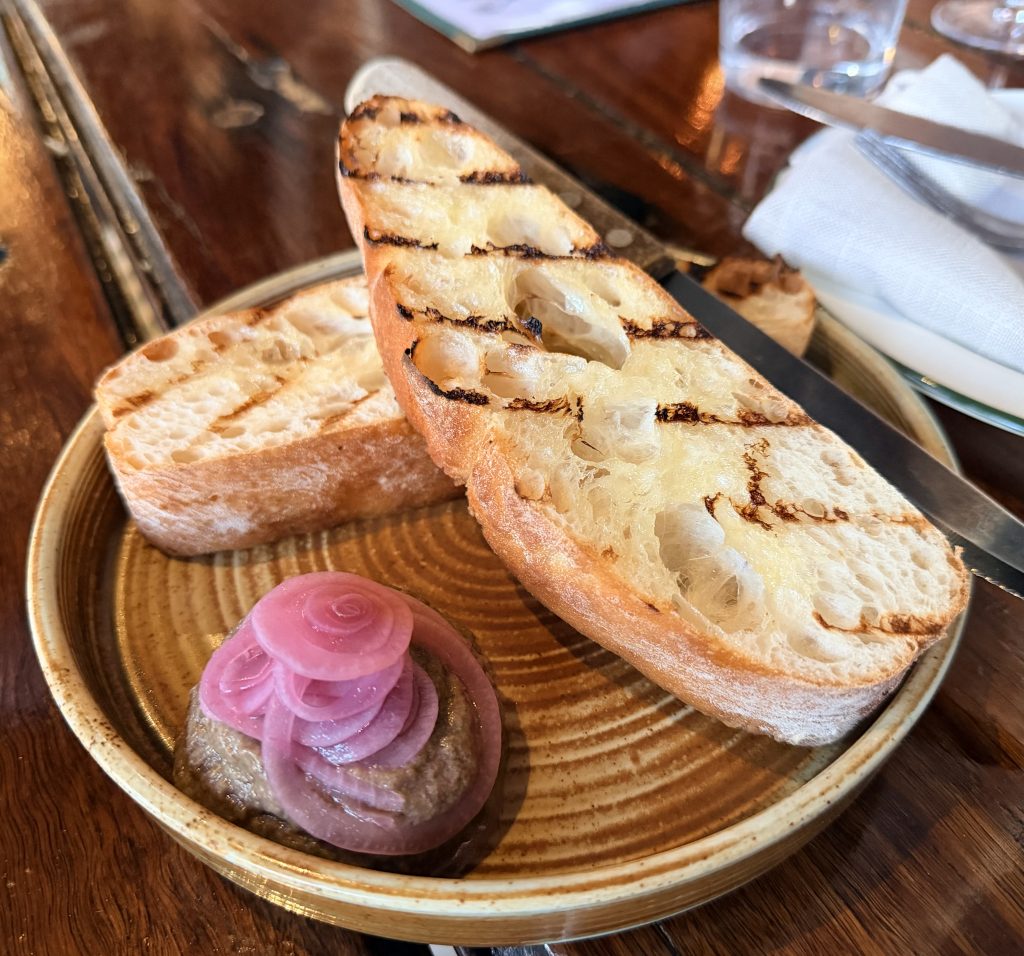
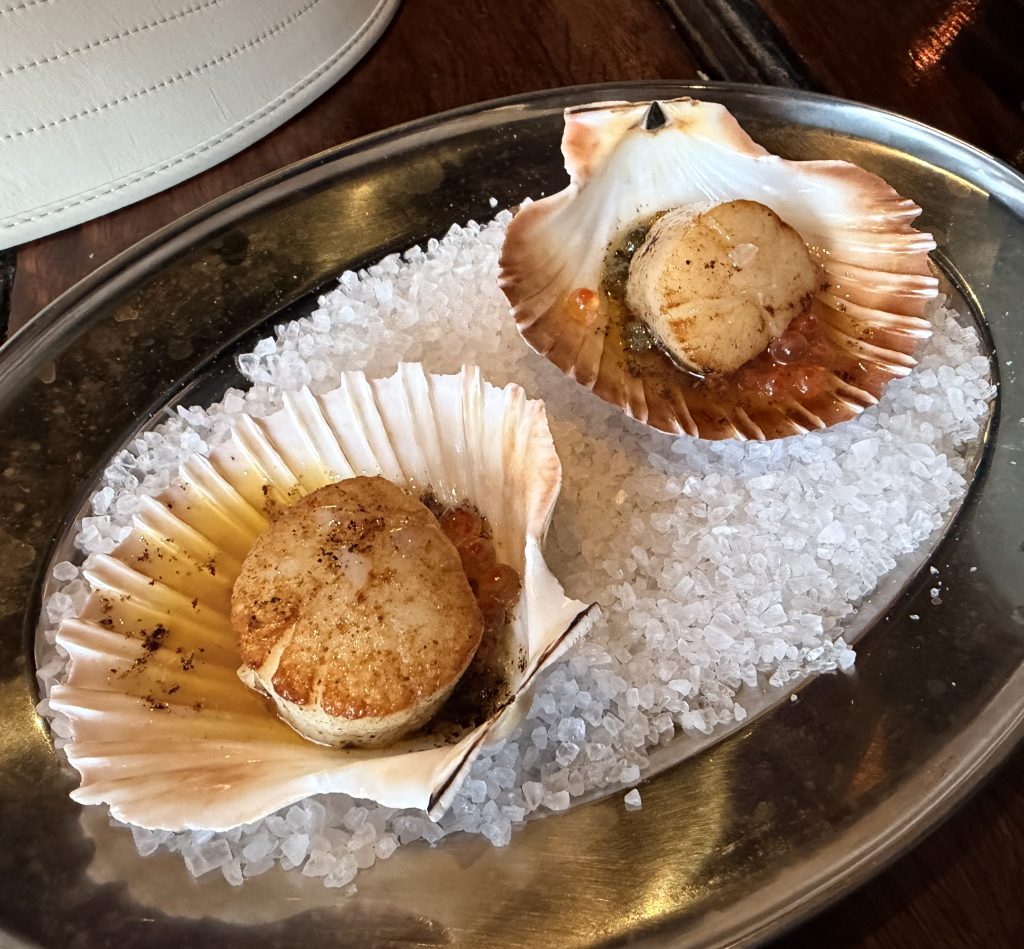
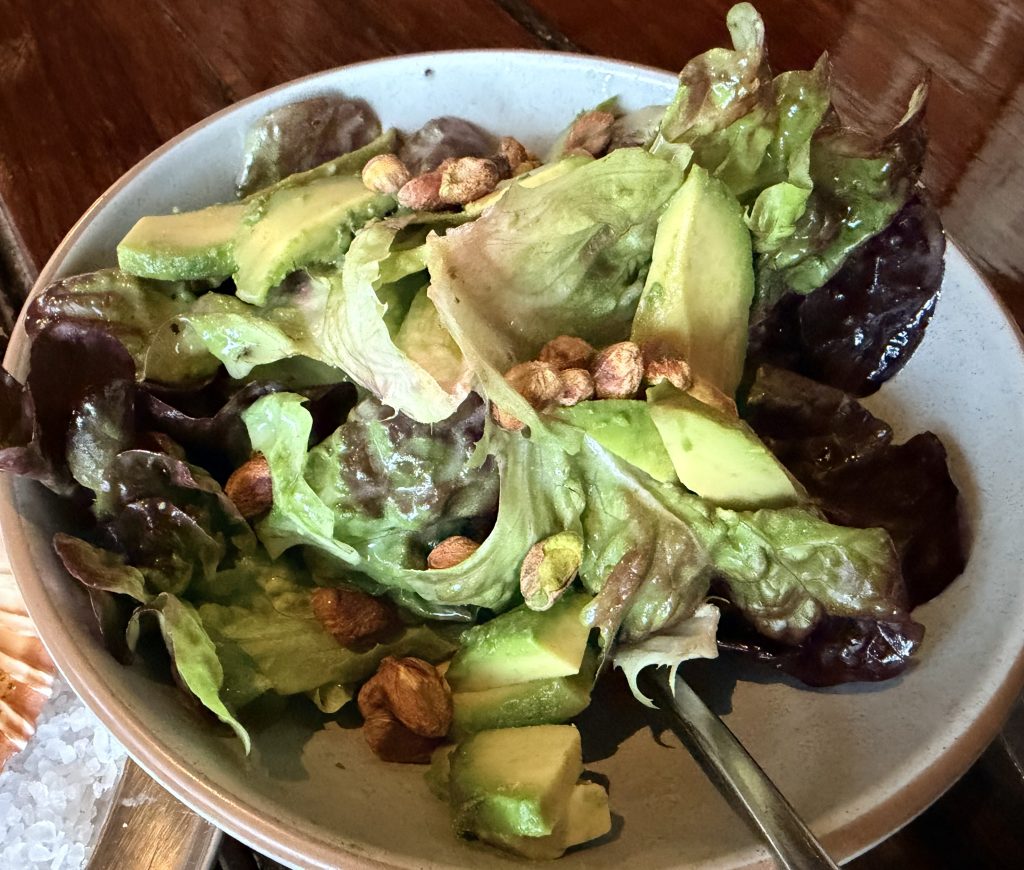
晚饭去了Surry Hills,一个充满生活气息和艺术气息的街区,遍布咖啡馆、复古小店和风格各异的餐厅。听从 ChatGPT 的推荐,我们去了那家颇有名气的澳大利亚餐厅 The Winery。这里的氛围热闹又自在,有DJ在放音乐,两位盛装的Drag Queen在和朋友们喝酒聊天,坐在庭院里,终于吃到第一顿正规的晚餐。
For dinner, we went to Surry Hills, a lively and artsy neighborhood filled with cafés, vintage shops, and restaurants of all styles. Following ChatGPT’s recommendation, we chose the well-known Australian restaurant The Winery. The atmosphere was vibrant yet relaxed — a DJ spinning music, two elegantly dressed drag queens chatting and drinking with friends. Sitting in the courtyard, we finally enjoyed our first proper dinner.
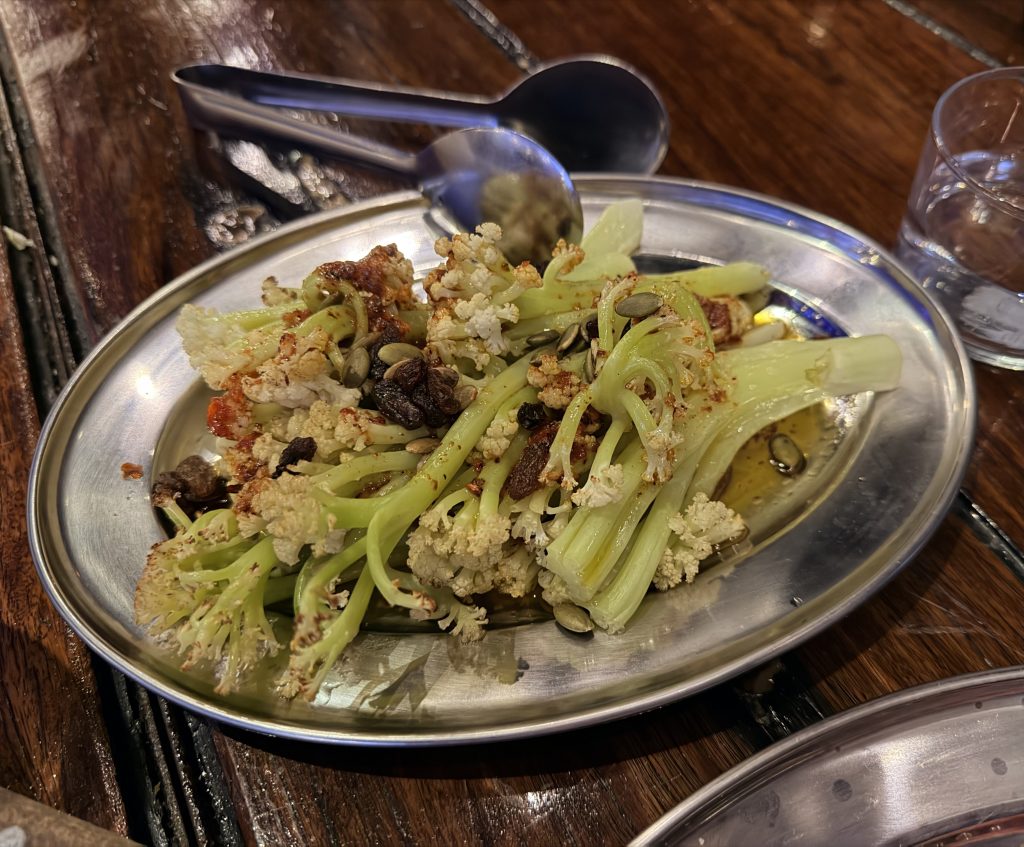
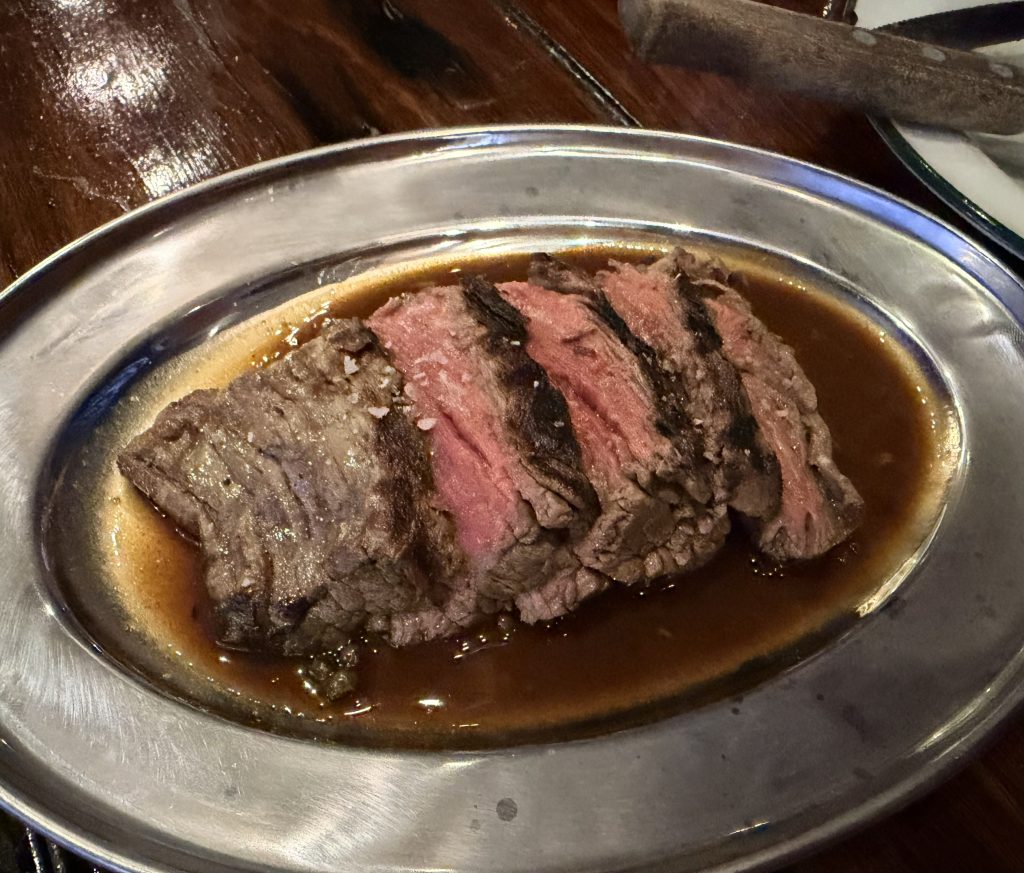
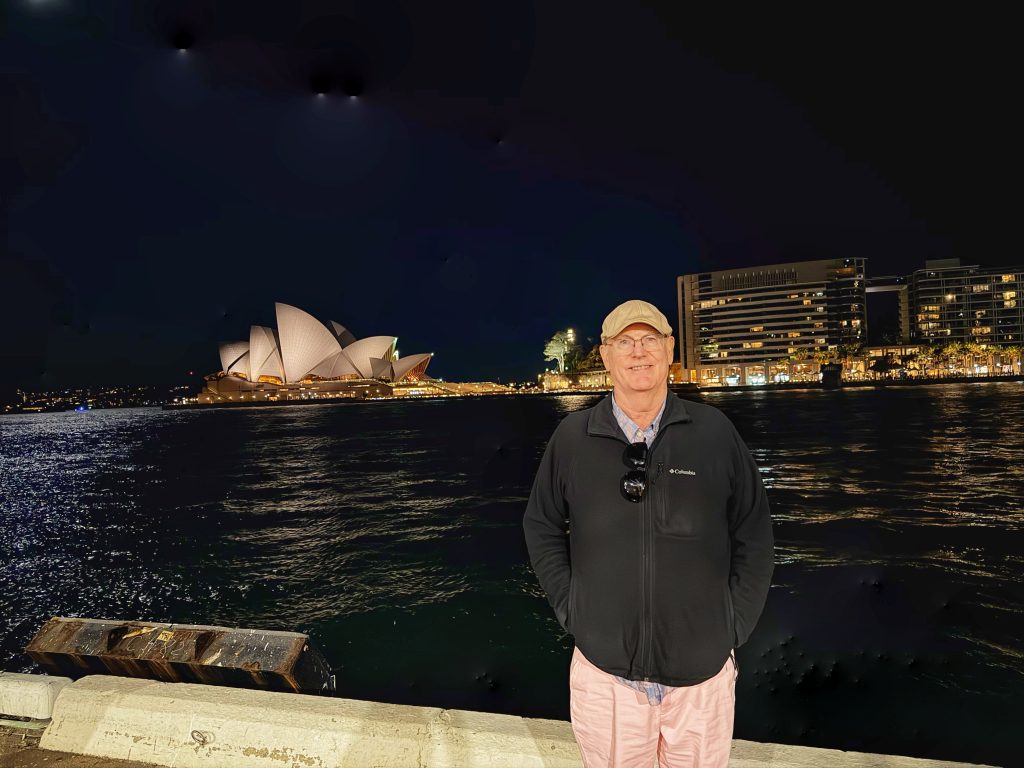
晚饭后坐Uber去了岩石区。夜色中的歌剧院静静地伫立在海湾对面,白色的屋顶被灯光映得如梦似幻。海面微微荡漾,倒映着闪烁的灯光。
After dinner, we took an Uber to The Rocks. Across the harbor, the Opera House stood quietly in the night, its white sails glowing dreamlike under the lights. The water shimmered gently, reflecting the twinkling lights.
今天的小熊视频 。。。And todays bear video …
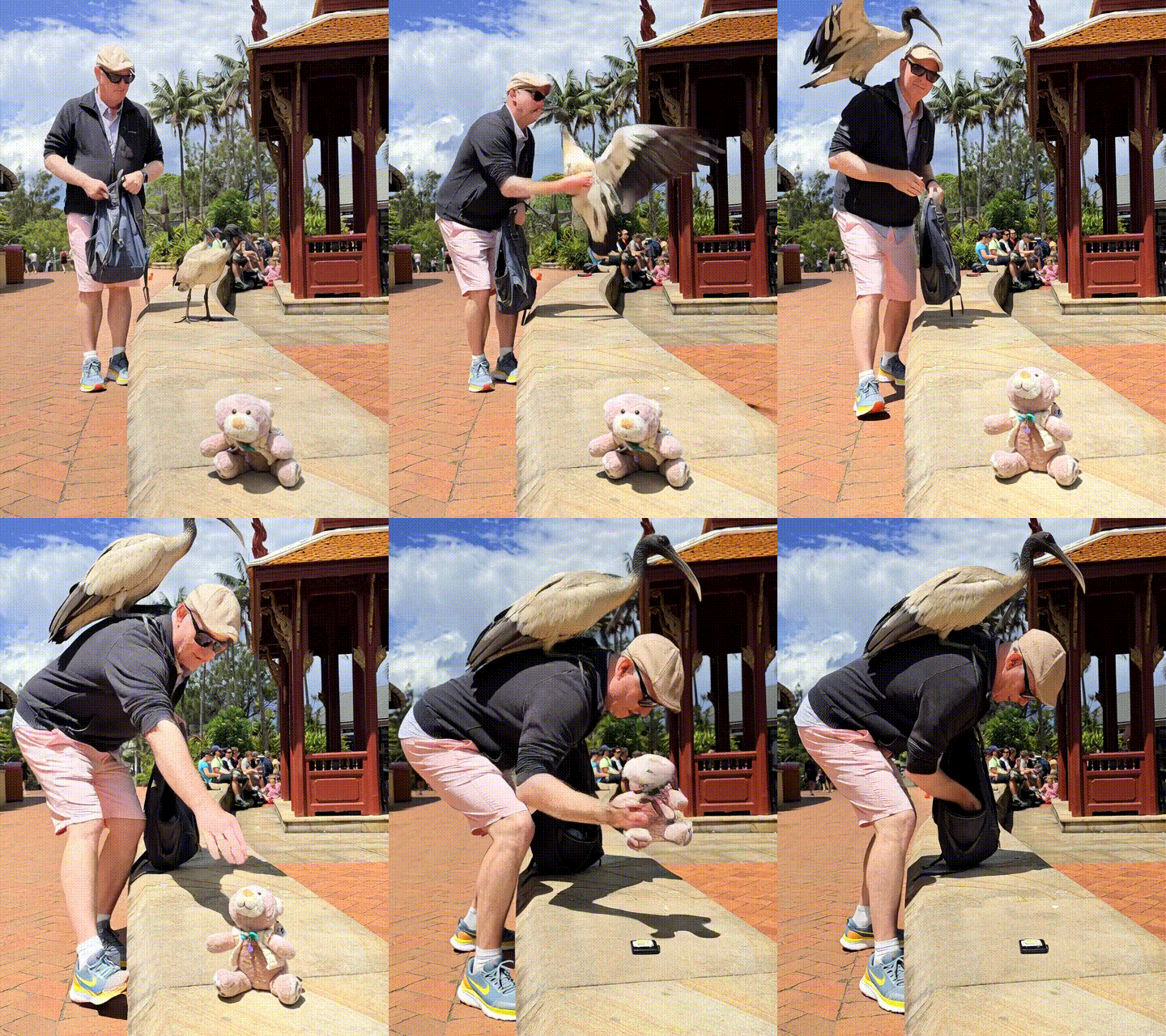
I liked all your photos of the animals. I’m going to look at this page on the desktop computer because then the animals will be larger and easier to see.
I liked how James just threw the big bird onto his back so he could pick up little bear.
The bird was handled easily!
Haha AI video got me for a second, pretty good 🤣.
Grok’s Imagine is amazing!
你的衣服很好看,和牛仔裤 墨镜很搭,看着很美!
想不到还有没有铁笼子的动物园,看着更亲切。关于动物又学到了新东西。
非常喜欢文末的小熊视频,我看了好几遍,太有趣了,那只大鸟像是童话世界里男主的随从。