11/3/2025 星期一 Monday
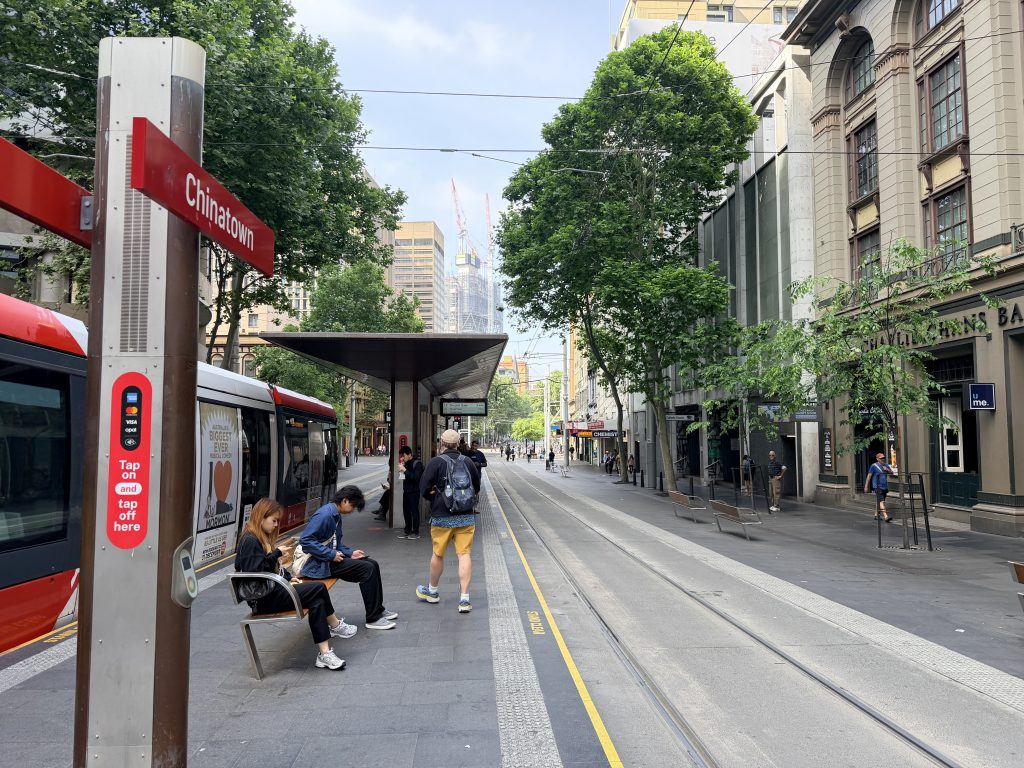
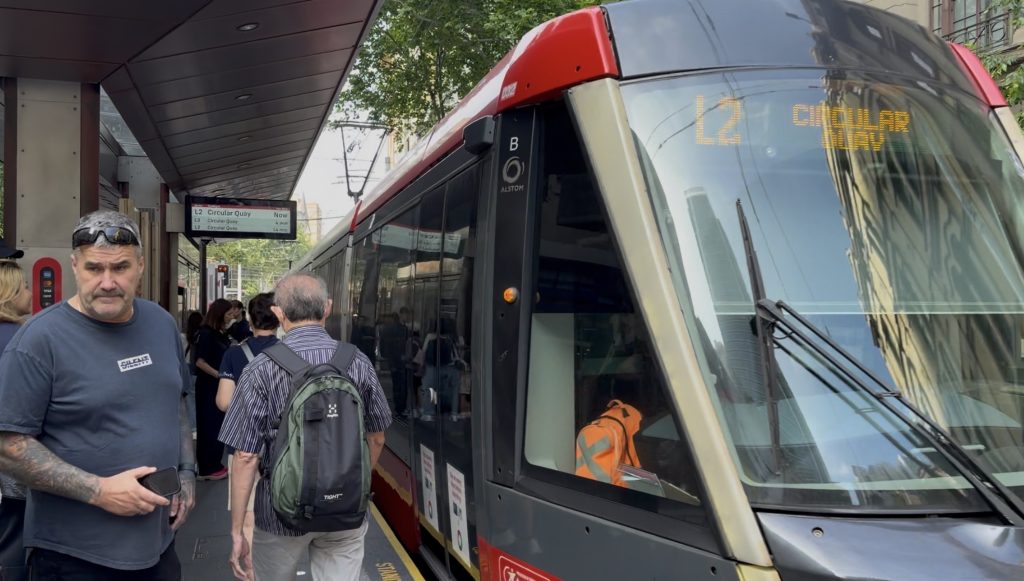
离民宿5分钟的轻轨站 – The light rail station is 5 minutes from the Airbnb.
早上从民宿出发坐了几站轻轨,去了悉尼海港大桥。春夏衔接的天气还有些凉爽,太阳还躲在云层后面,步行走过大桥大概三十分钟,桥上人不多,偶尔有跑步的、骑车的,也有提着咖啡杯散步的当地人,看起来都很惬意。
In the morning, we left our Airbnb and took the light rail a few stops to the Sydney Harbour Bridge. The weather, at the turn of spring and summer, was still a bit cool, and the sun hid behind the clouds. It took about half hour to walk across the bridge. There weren’t many people—just a few joggers, cyclists, and locals strolling with coffee cups in hand, all looking quite content.
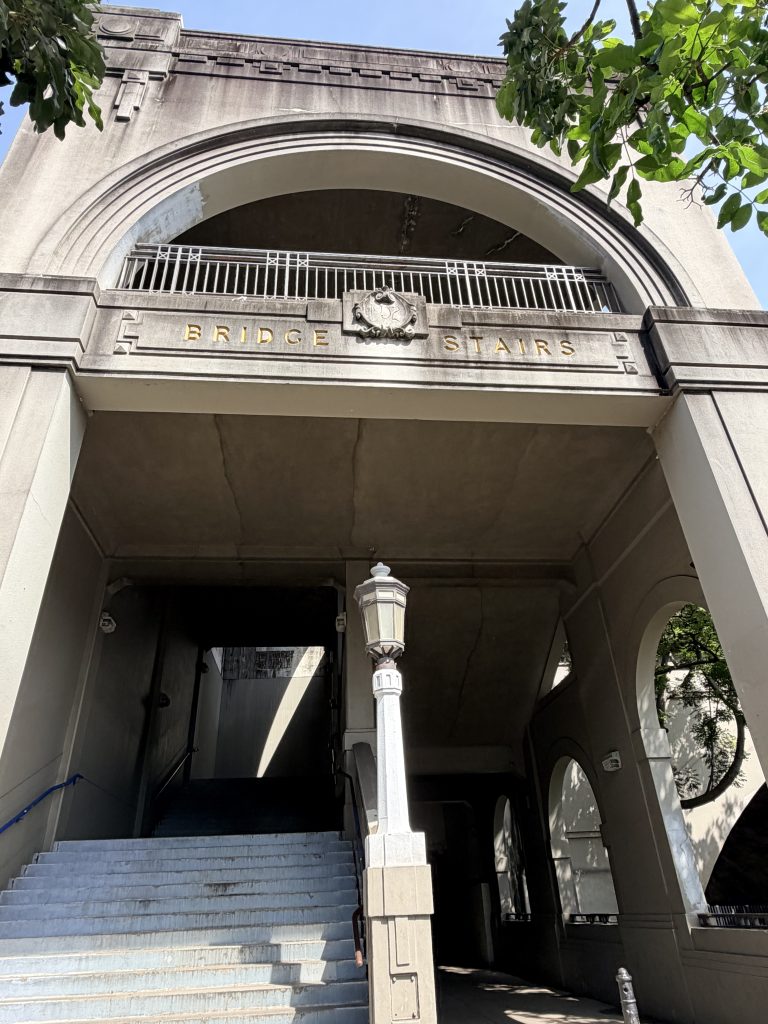
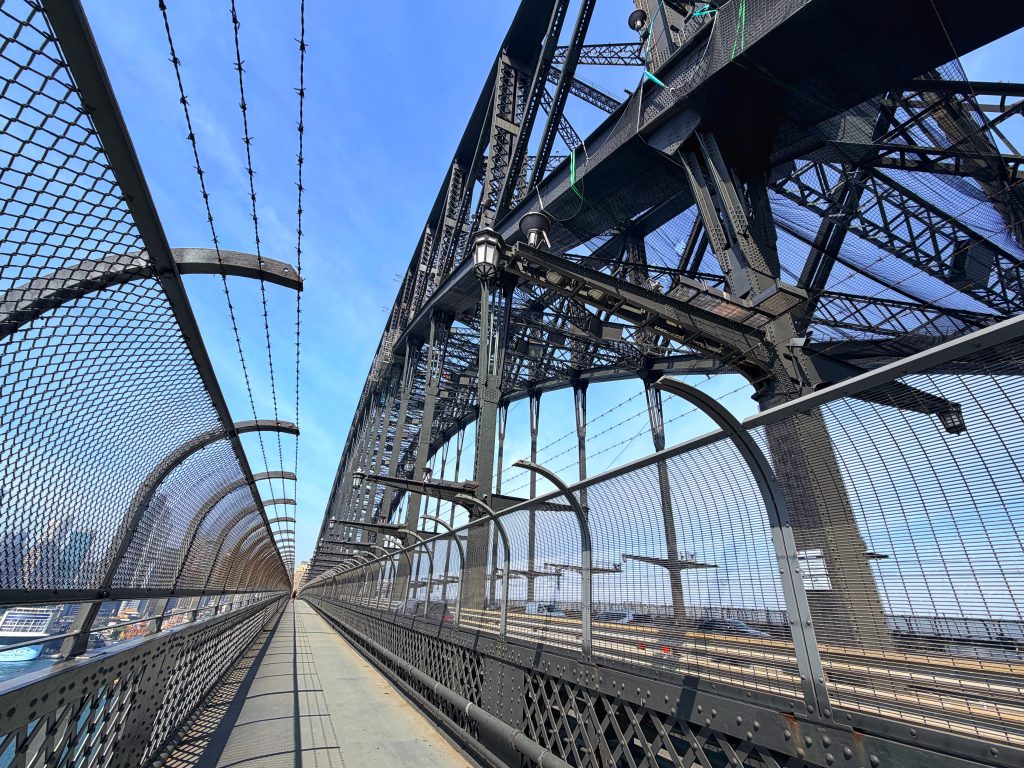
悉尼海港大桥建于1932年,是悉尼最具代表性的地标之一。整座桥是钢铁拱形结构,高达134米,因为外形像一只巨大的衣架,当地人也称它为“铁衣架”。它曾是世界上最长的单跨钢拱桥之一,也是当年工程技术的奇迹。
The Sydney Harbour Bridge, completed in 1932, is one of the city’s most iconic landmarks. The entire bridge is a steel arch structure standing 134 meters high. Because of its shape, resembling a giant clothes hanger, locals affectionately call it “The Iron Hanger.” It was once one of the longest single-span steel arch bridges in the world and a marvel of engineering for its time.
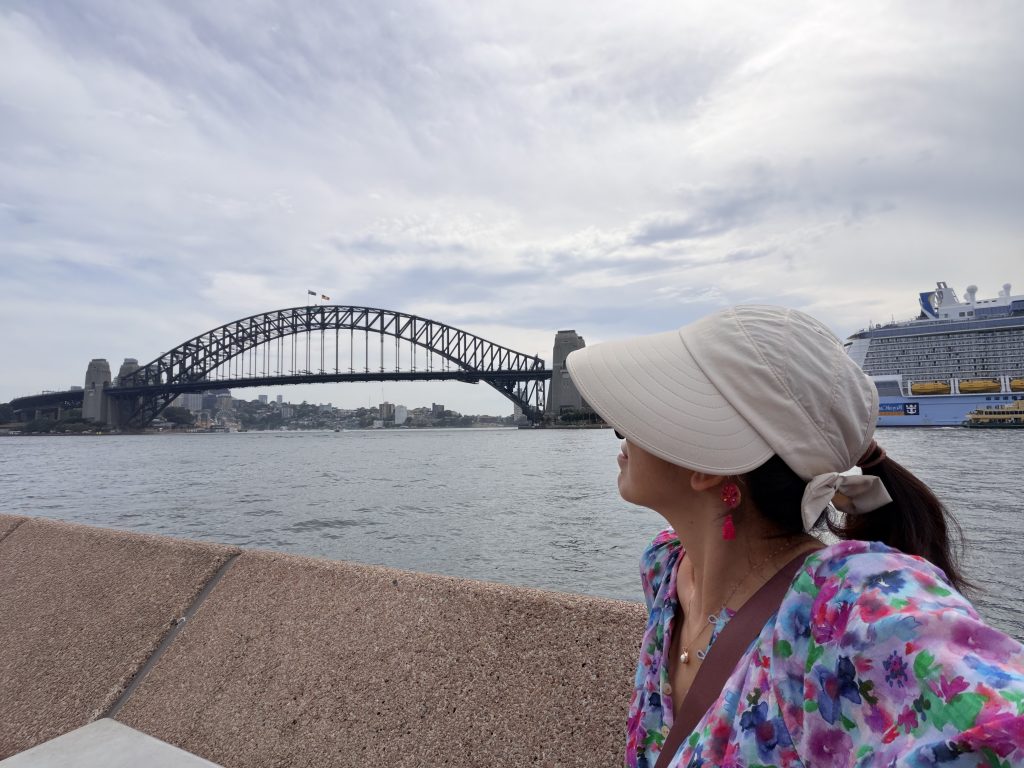
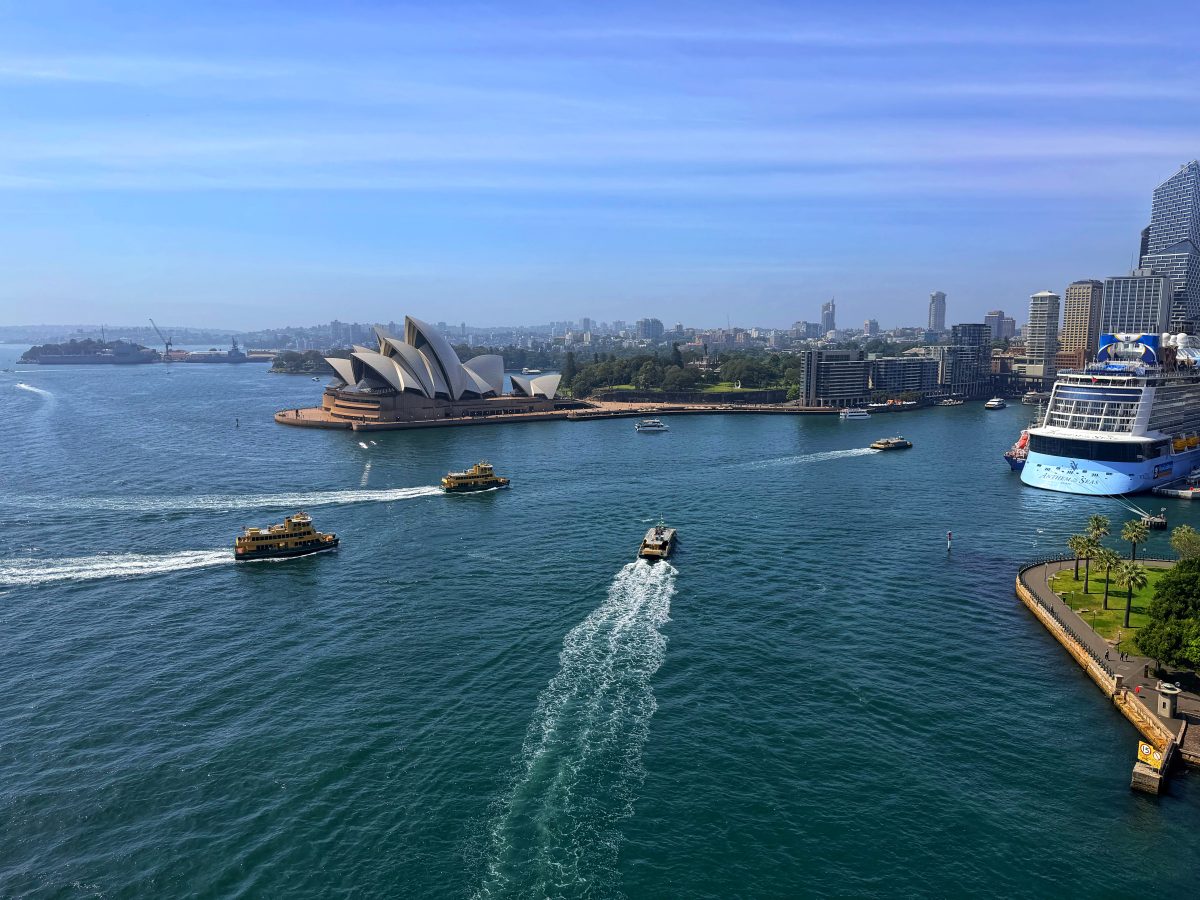
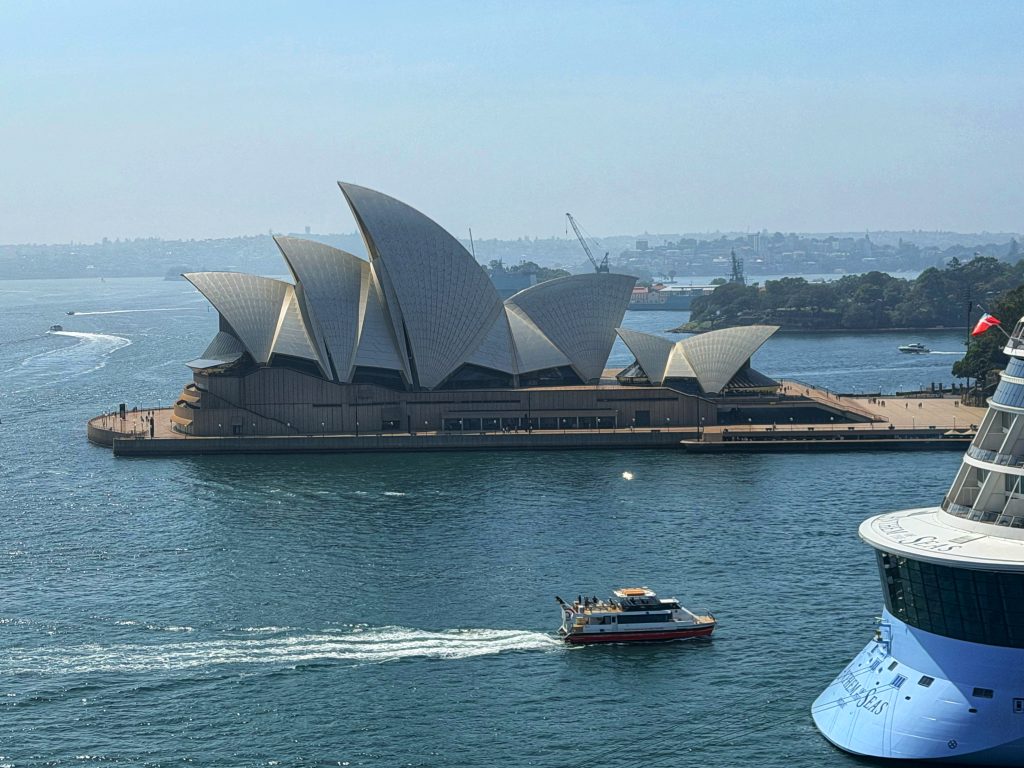
走在桥上,可以看到港湾在脚下缓缓展开。对面是悉尼歌剧院,白色的帆在灰蓝色的天光下依然耀眼。远处的摩天大楼静静地立在背景中,又一艘巨型油轮抵达了这里。
Walking across the bridge, the harbor slowly unfolds beneath your feet. On the opposite side stands the Sydney Opera House, its white sails gleaming even under the gray-blue sky. In the distance, skyscrapers rise quietly in the background, while yet another massive cruise ship arrives at the port.
大桥分两层,车走下层,人走旁边的步道。上面的拱形钢架可以预约攀桥体验,据说站在最高处能看到整个悉尼港的全景。我俩没去挑战,光是想象就已经腿软。
The bridge has two levels—the lower level for vehicles and a pedestrian walkway alongside it. The arched steel structure above offers a bridge climb experience by reservation, and it’s said that from the very top, you can see a panoramic view of Sydney Harbour. We didn’t take on the challenge; just imagining it was enough to make our legs feel weak.
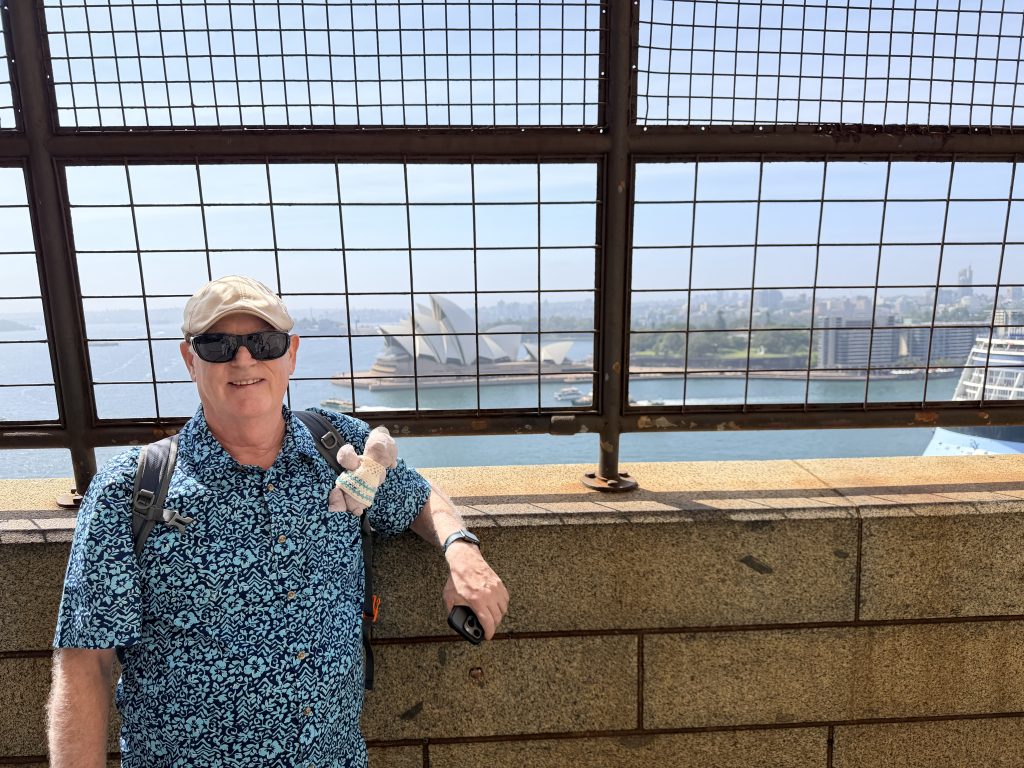
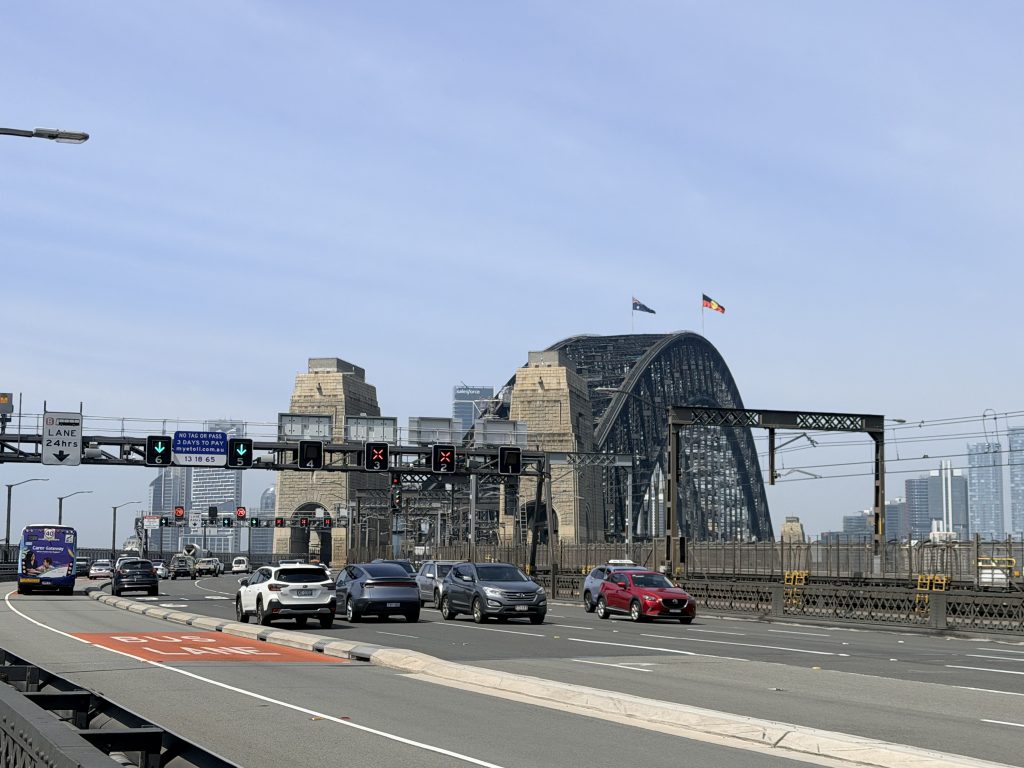
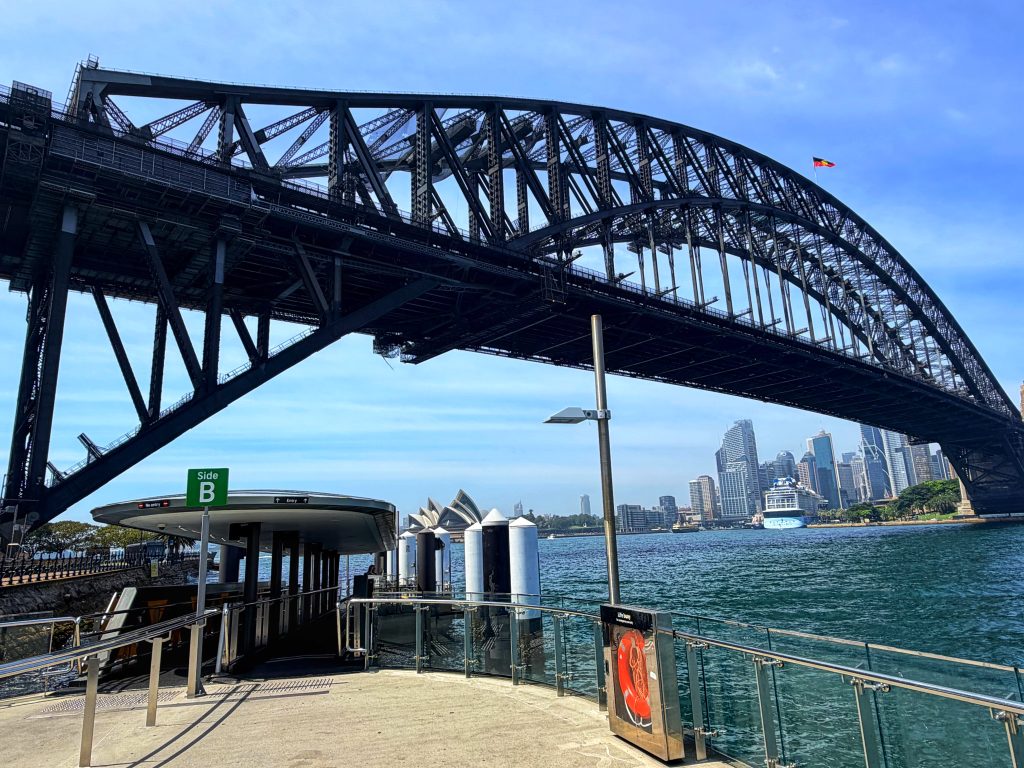
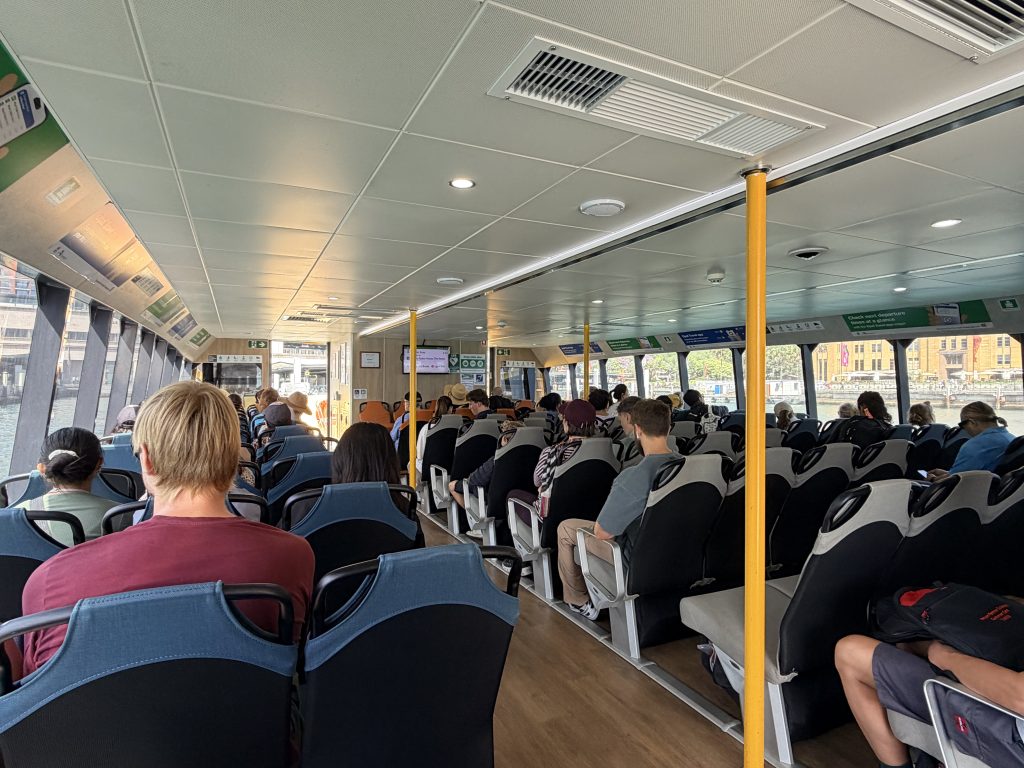
走到桥的那一边后,我们在米尔森角码头搭了一班渡轮回到了环形码头。中午的计划是去悉尼海鲜市场吃午饭。从环形码头坐轻轨,再转一小段公交就能到。这座市场建于20世纪60年代,是悉尼最有名的海鲜集散地之一,也常常出现在各种油管美食视频里。
After crossing the bridge, we took a ferry from Milsons Point Wharf back to Circular Quay. Our plan for lunch was to go to the Sydney Fish Market. From Circular Quay, it’s just a light rail ride followed by a short bus transfer. Built in the 1960s, the market is one of Sydney’s most famous seafood hubs and often is featured in many YouTube travel videos.
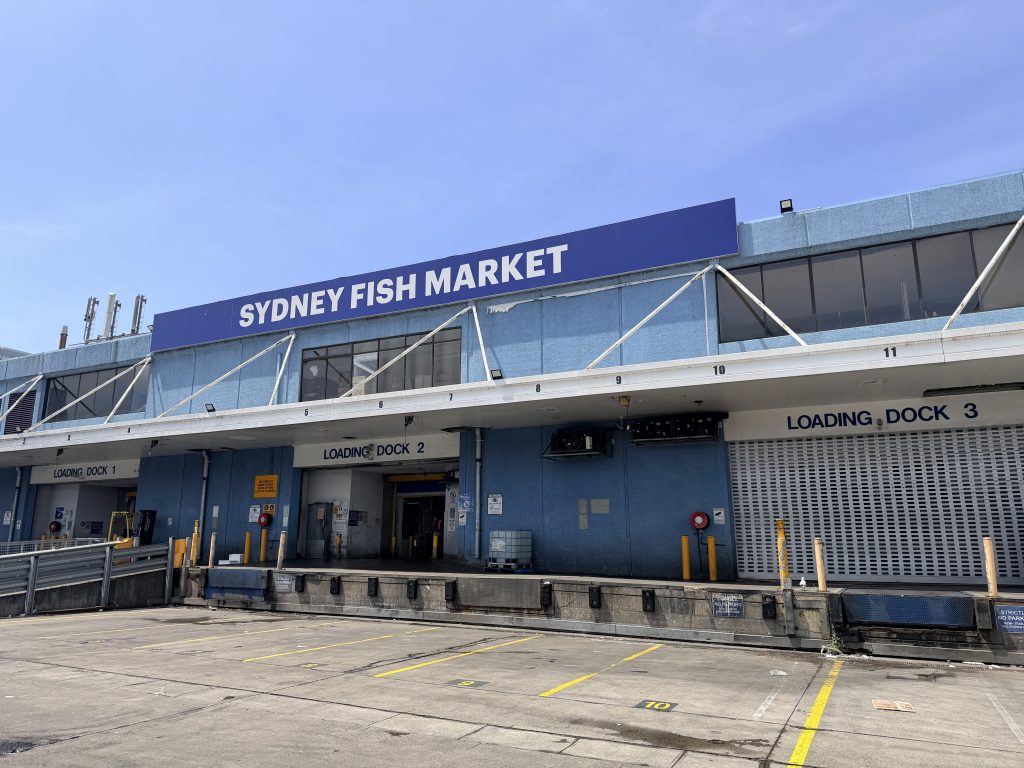
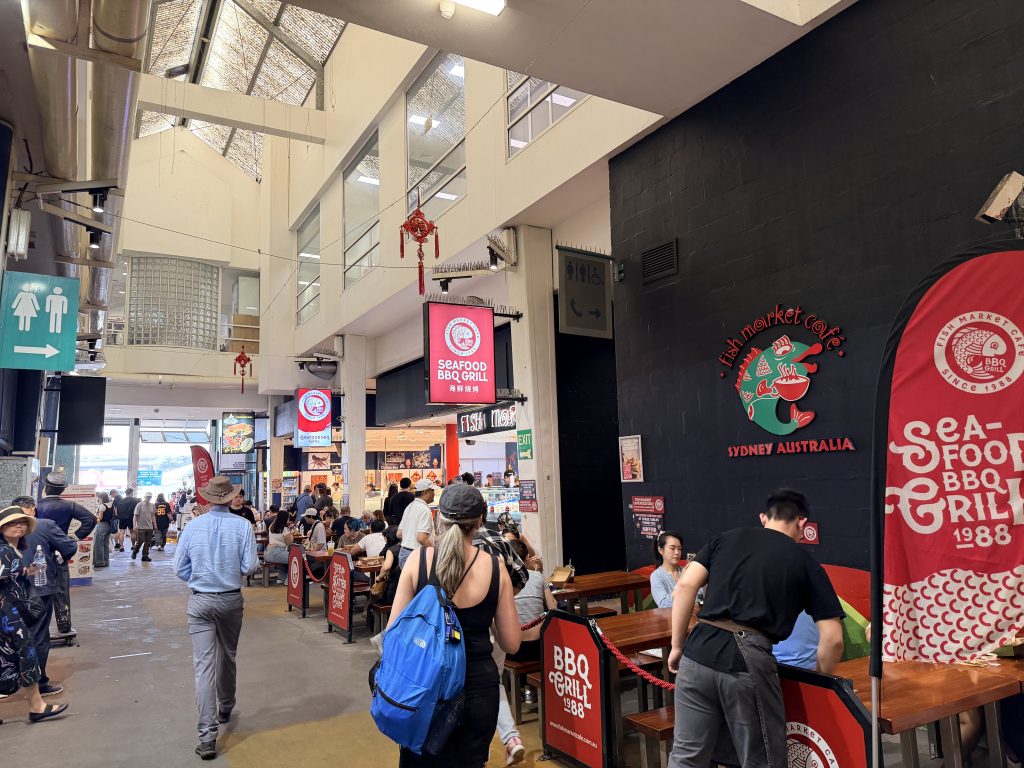
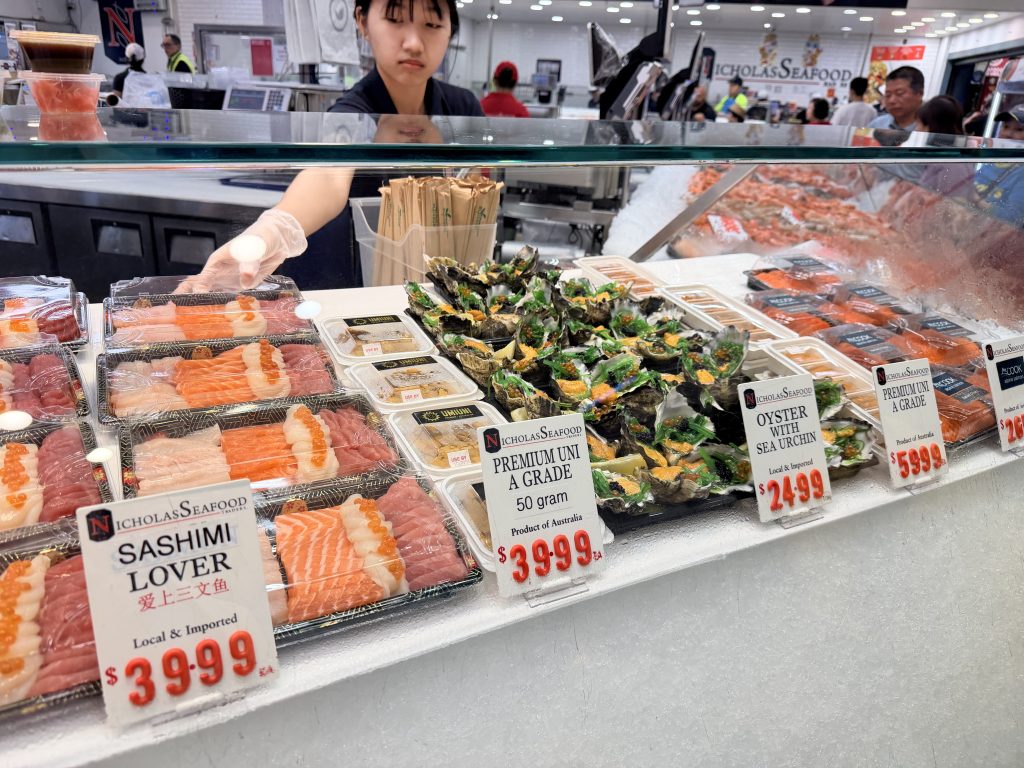
一走进去就被热闹的气氛包围了——摊主几乎都是华人,顾客里中国游客的比例也很高。空气里弥漫海洋的味道。本来很兴奋的我,很快发现这里的就餐体验不太理想:如果在没有座位的摊位买了食物,只能端着餐盘坐到外面去。外面的景色还算不错,可以看到港口,但海鸥一直在头顶盘旋,眼睛直盯着人手里的食物,脚边还有几只澳洲白鹮慢悠悠地踱来踱去。
The moment we walked in, we were surrounded by a lively atmosphere—most of the stall owners were Chinese, and a large portion of the customers were Chinese tourists as well. The air was filled with the scent of the sea. At first, I was excited, but I soon realized the dining experience wasn’t ideal: if you bought food from a stall without seating, you had to carry your tray outside to eat. The view outside was pleasant enough, with a clear sight of the harbor, but seagulls circled overhead, their eyes fixed on people’s food, while a few Australian white ibises strolled leisurely around our feet.
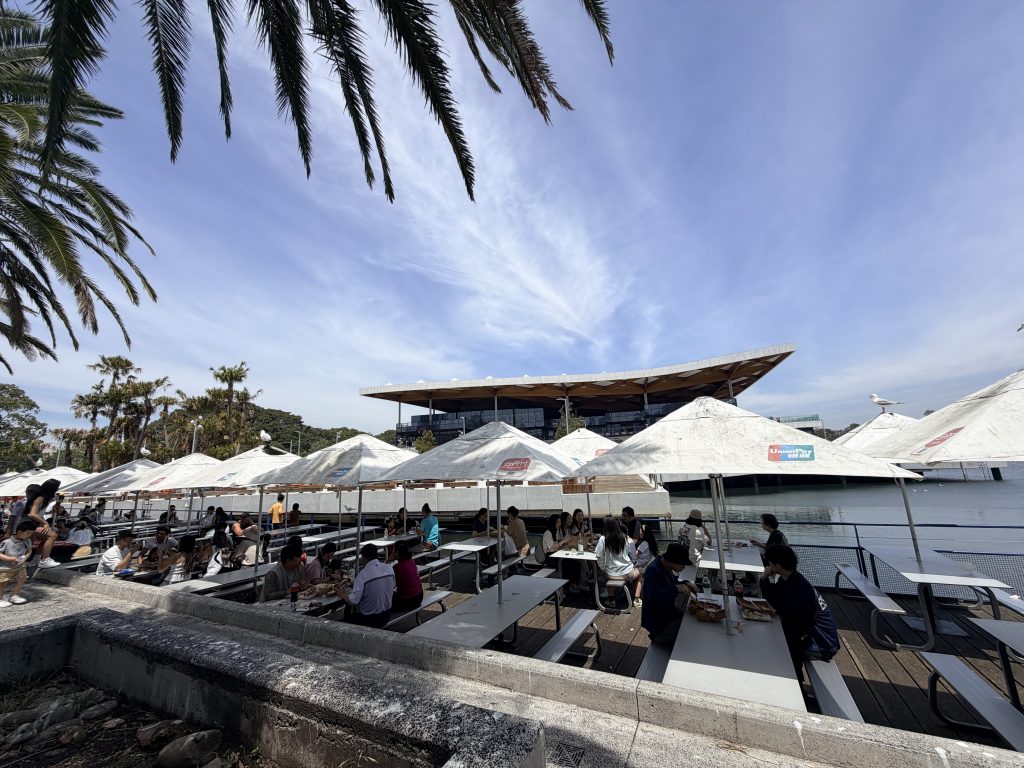
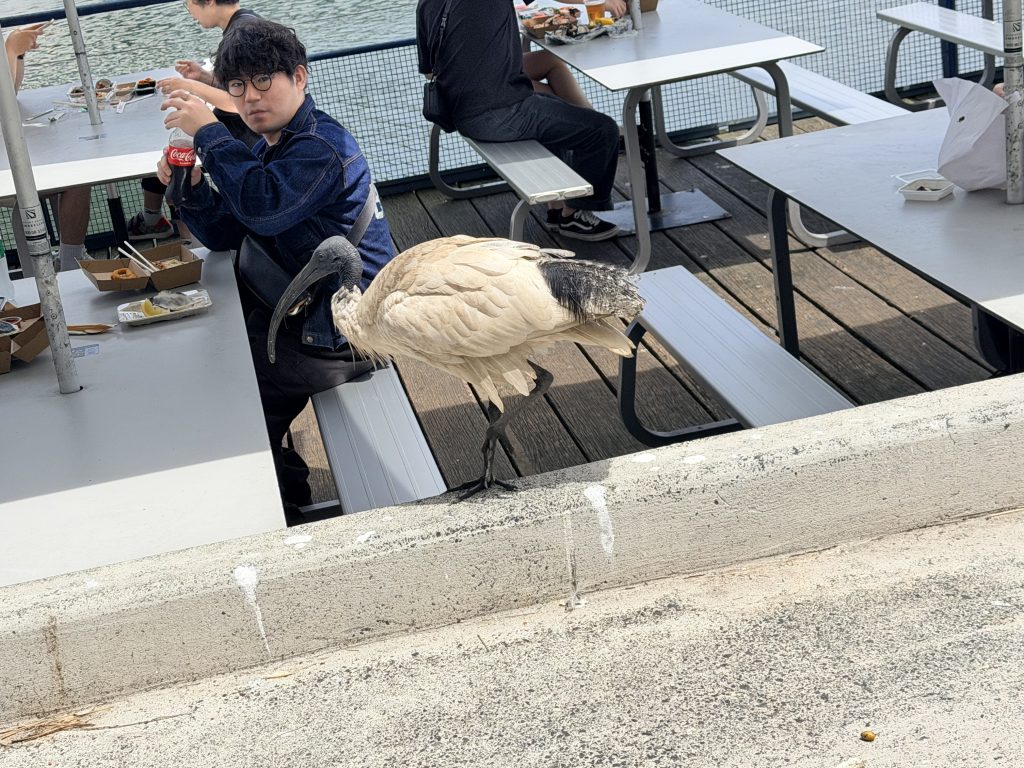
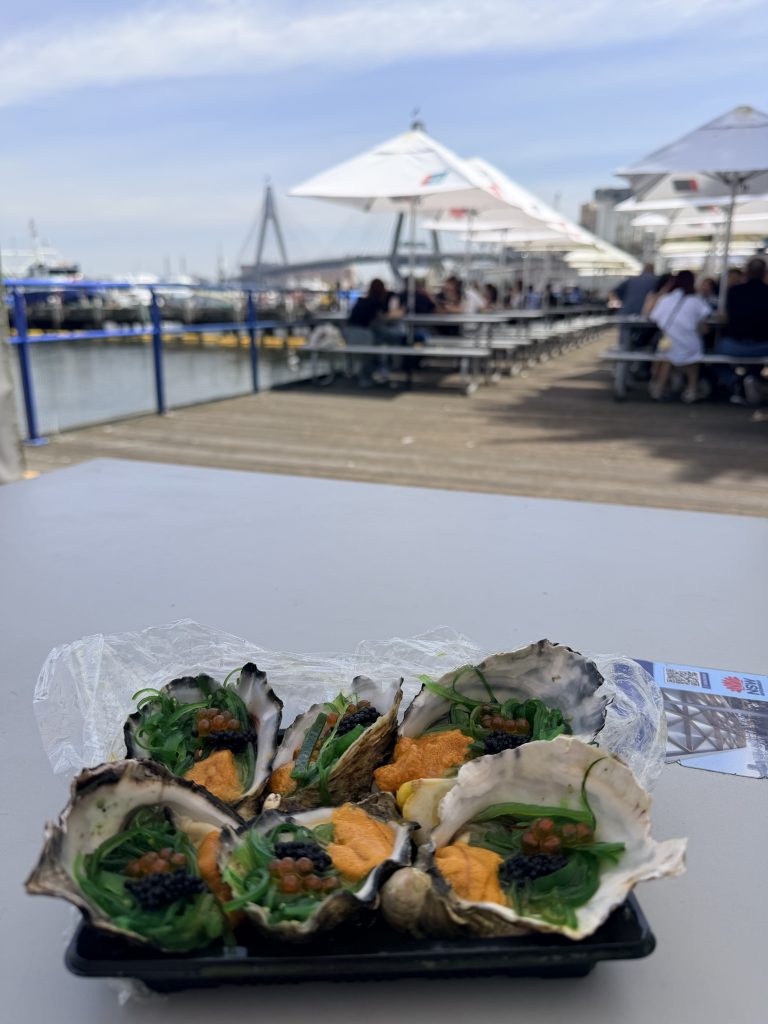
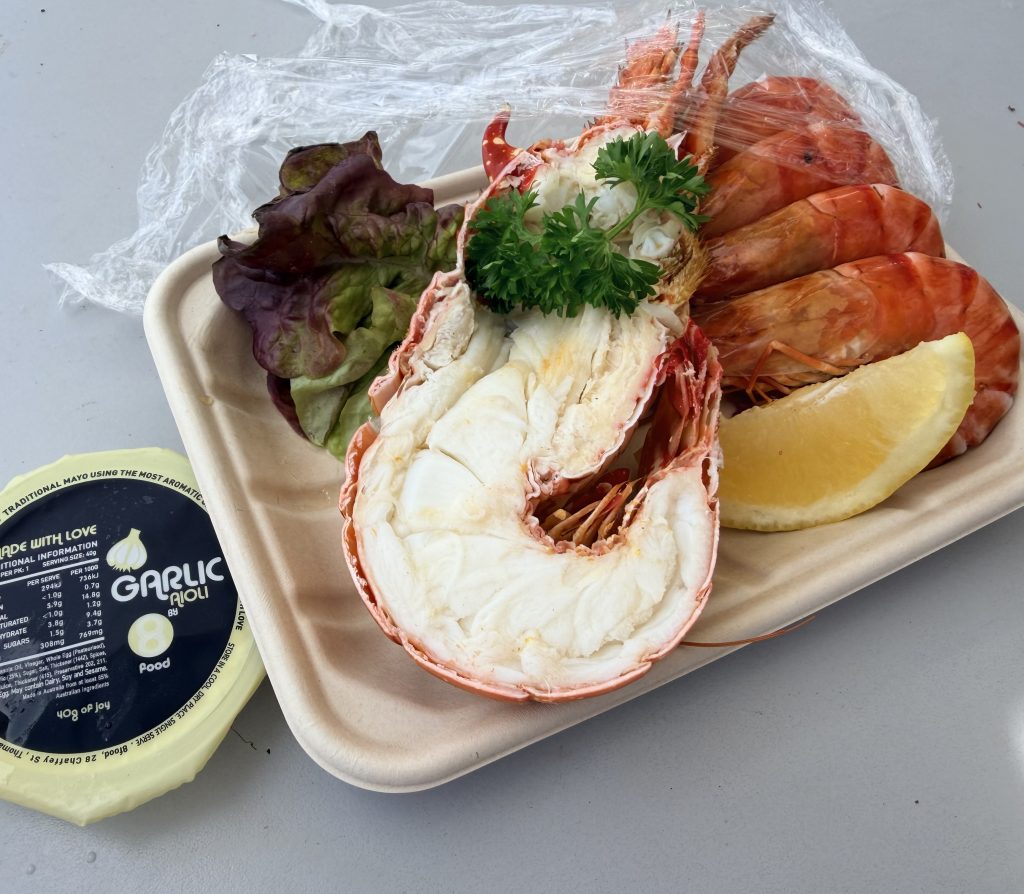
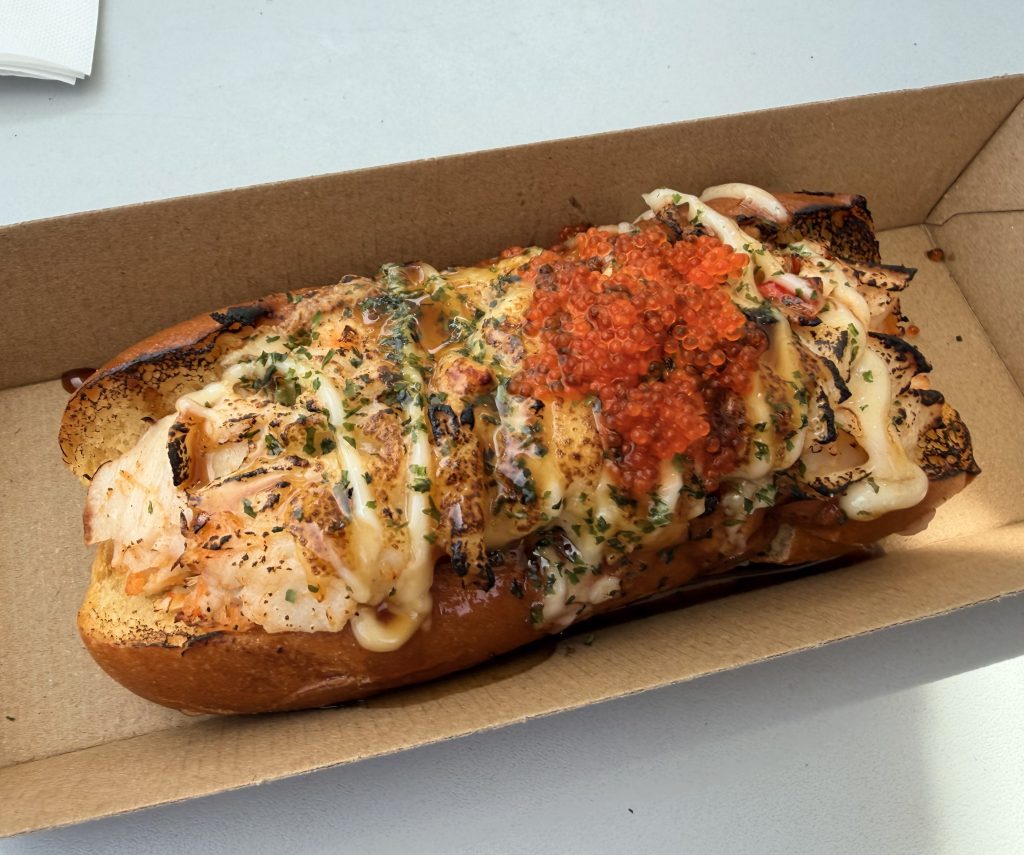
我们买了几种海鲜,味道没有想象中那么出色。加上环境嘈杂,又得提防“飞行抢食团”,吃得不太尽兴。于是没再多停留,坐公交车去了海德公园。
We bought a few dishes of seafood, but they weren’t as impressive as we had imagined. With the noisy surroundings and the constant need to guard against the “flying food thieves,” it wasn’t a very relaxing meal. So we didn’t stay long and took a bus over to Hyde Park.
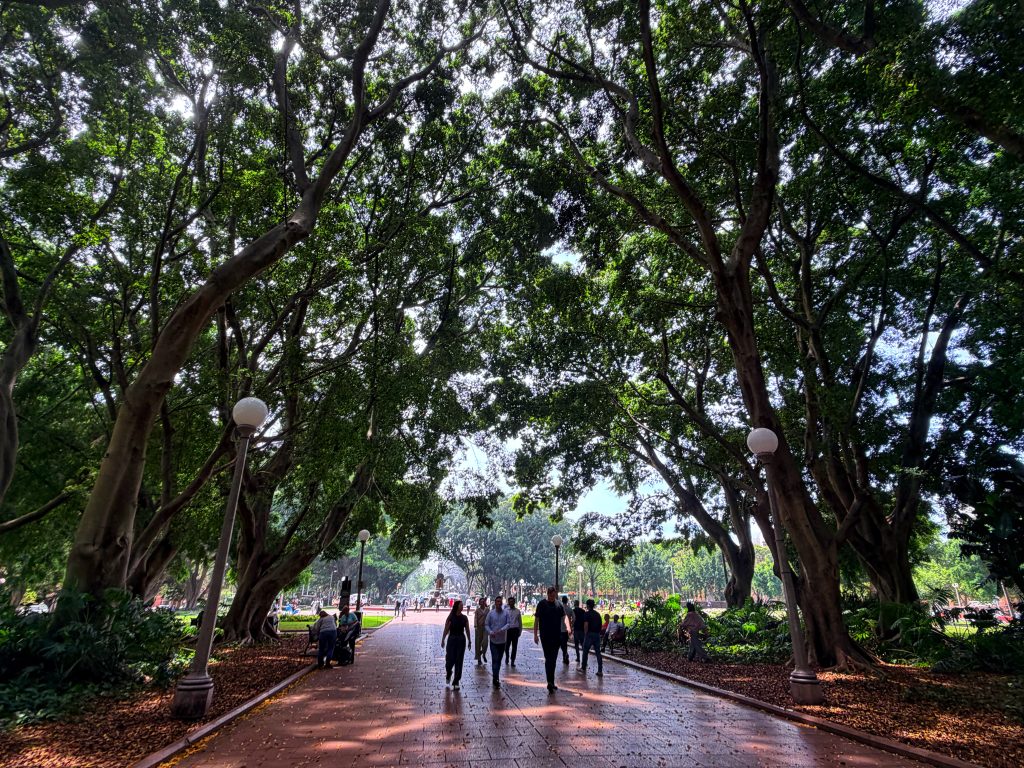
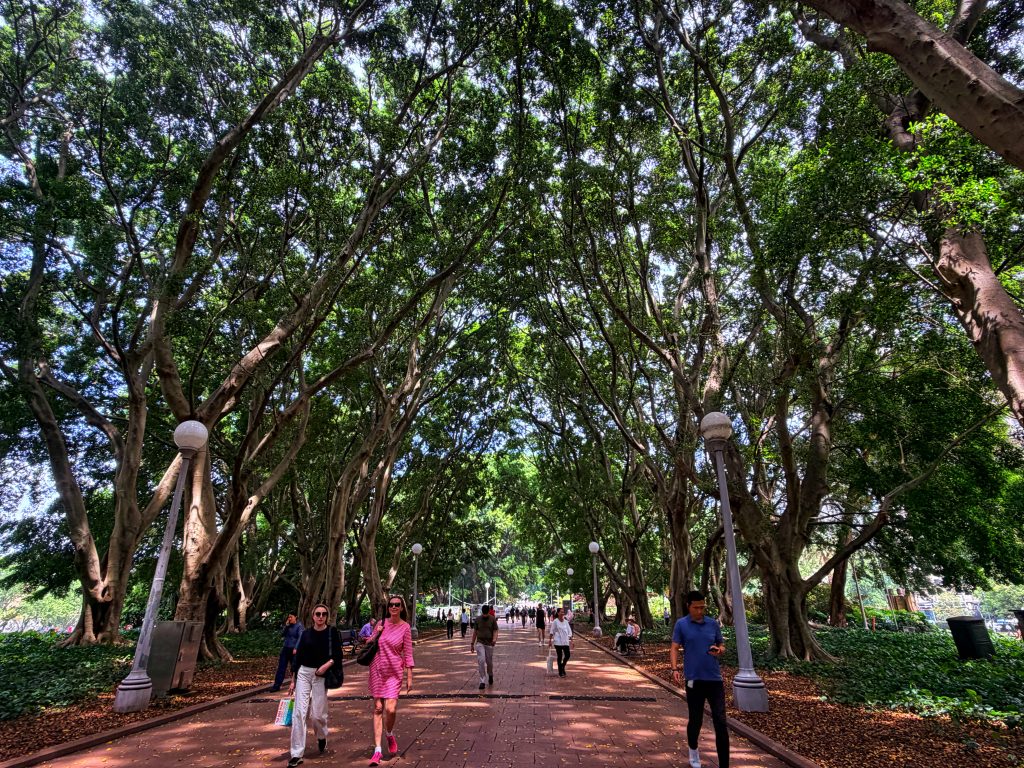
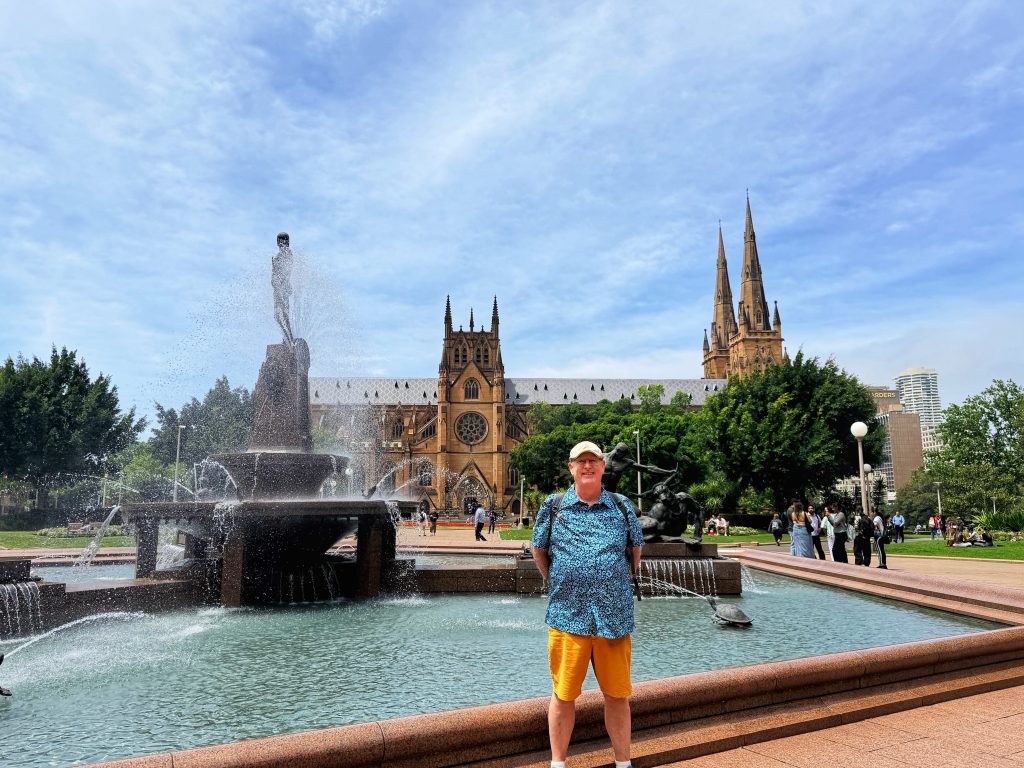
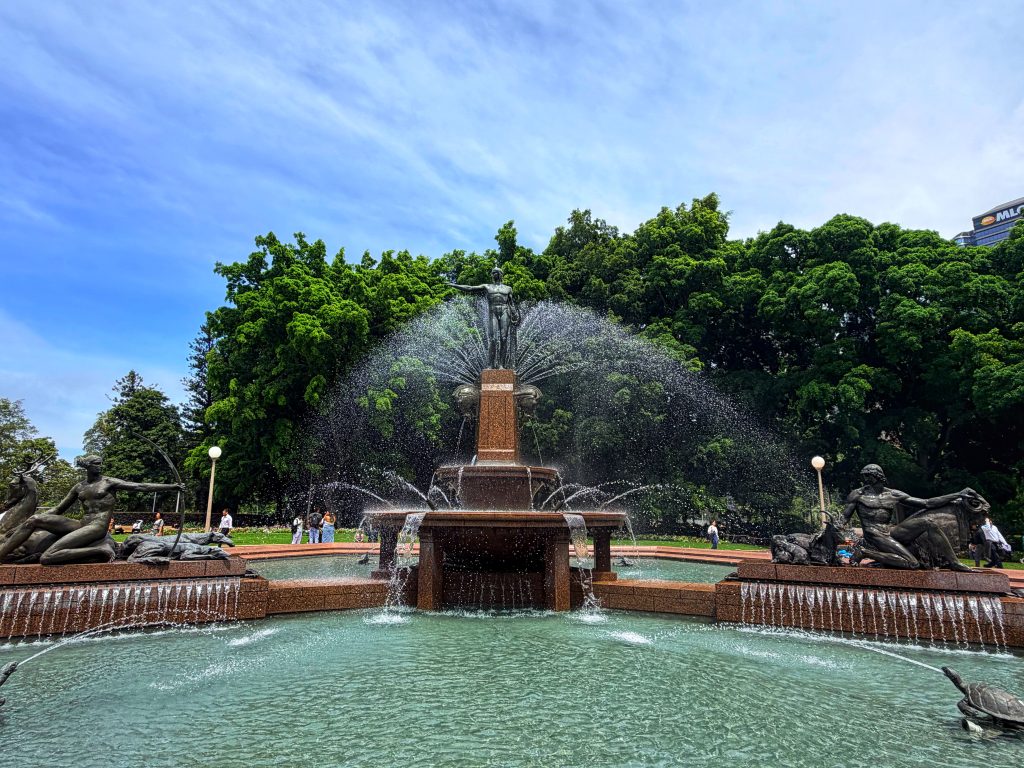
海德公园是悉尼最古老的公共公园,建于1810年左右,以伦敦的同名公园命名。它位于市中心,被高楼环绕,却依然保留着一片静谧的绿意。那天有些区域正在维修,但整体依然很安静,阳光透过高大的榕树洒在小路上,空气里有淡淡的草木香。坐在长椅上,看人们慢慢散步、躺在草坪上,时间都变得柔软了。
Hyde Park is Sydney’s oldest public park, established around 1810 and named after its counterpart in London. Located in the city center and surrounded by tall buildings, it still preserves a sense of calm greenery. Some areas were under maintenance that day, but overall it remained peaceful. Sunlight filtered through the towering trees, casting soft light onto the paths, and the air carried a faint scent of grass and leaves. Sitting on a bench, watching people stroll or lie on the lawns, even time itself seemed to slow and soften.
离开公园往回民宿的路上,会经过著名的维多利亚女王大厦。这栋建筑建于1890年代,是悉尼最具代表性的维多利亚式建筑之一。走进里面立刻被那种老式英伦气息包围——高高的玻璃穹顶,还有两座巨大的悬挂式钟表。正好有人在二楼中央弹钢琴,琴声在拱顶下回荡,整个空间像在轻轻呼吸。
On the way back to our Airbnb, we passed the famous Queen Victoria Building. Constructed in the 1890s, it is one of Sydney’s most iconic examples of Victorian architecture. Stepping inside, we were immediately surrounded by an old English charm—the high glass domes and two enormous hanging clocks. Someone happened to be playing the piano in the center of the second floor, the music echoing beneath the arches, as if the whole space were quietly breathing.
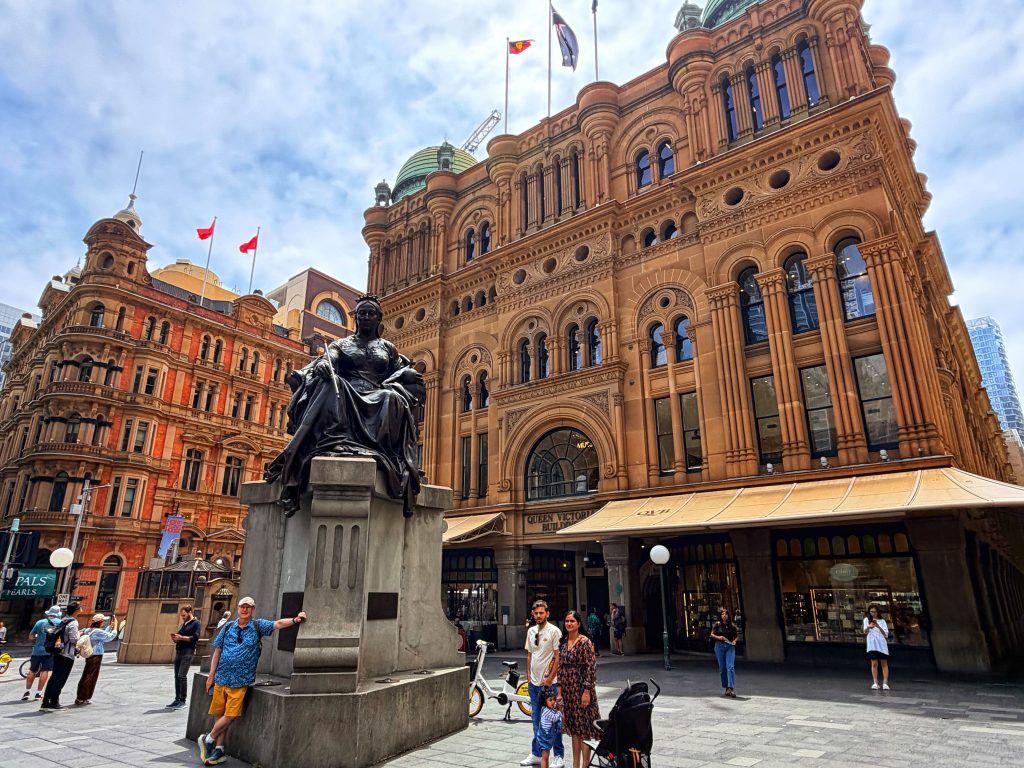
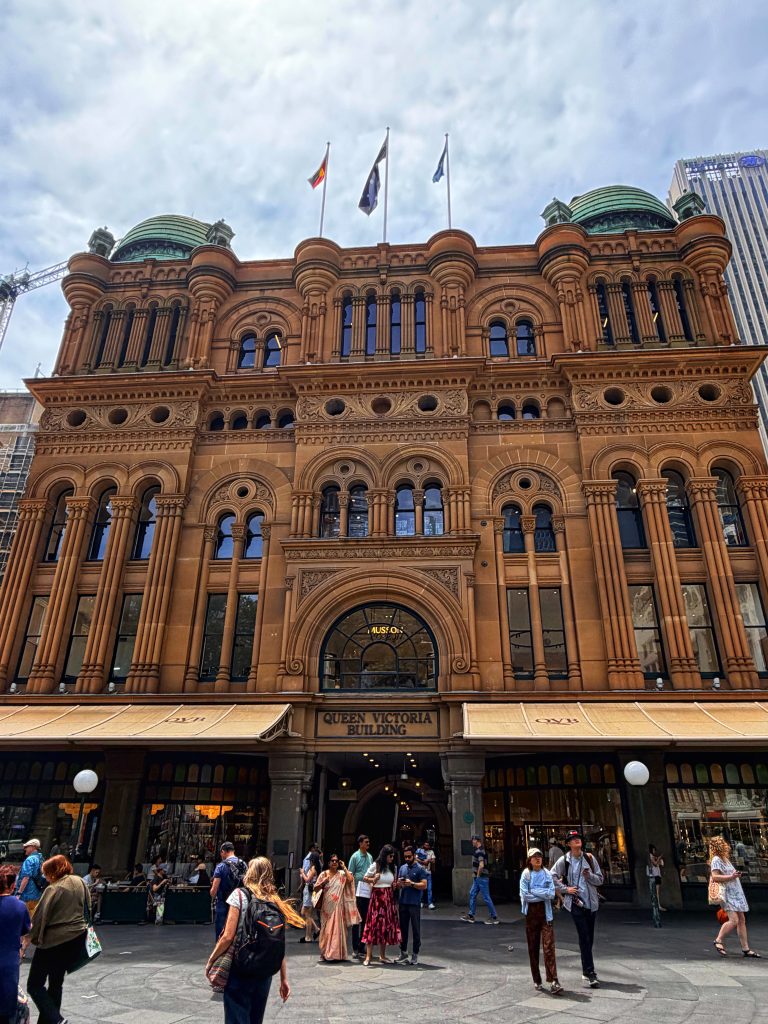
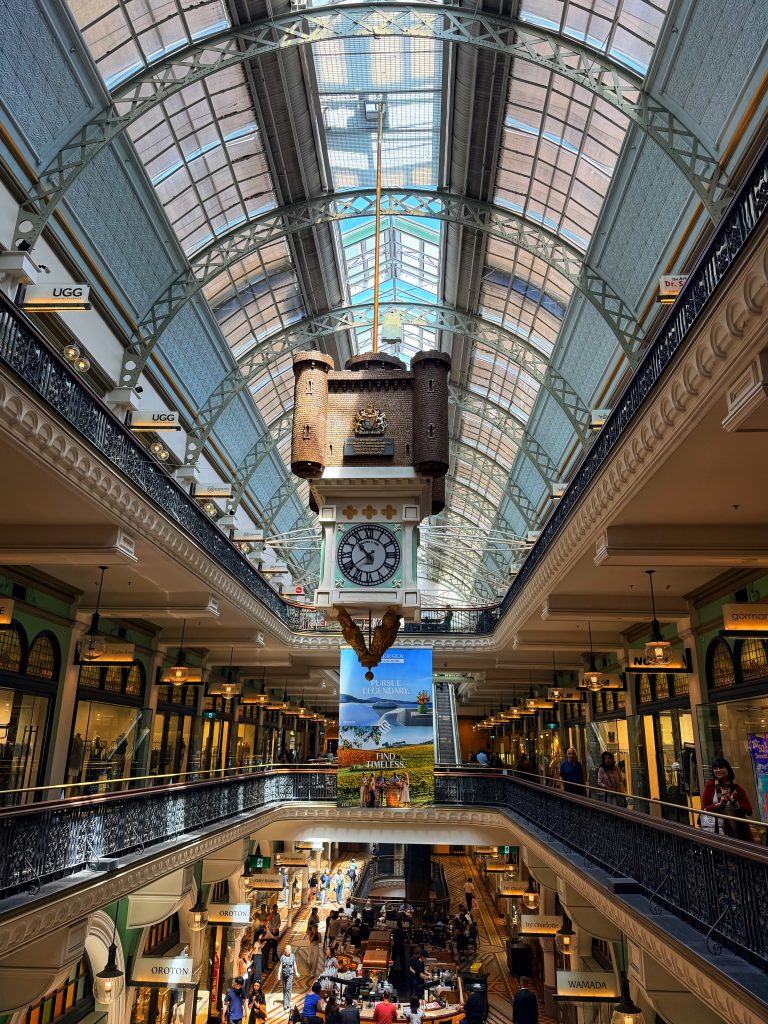
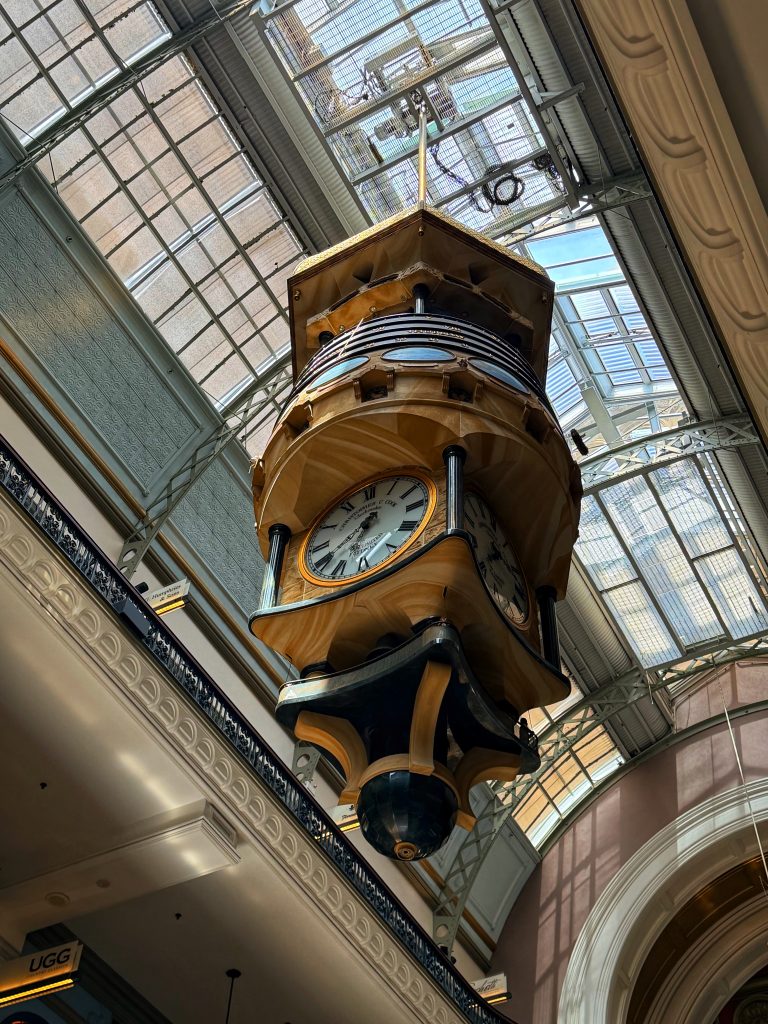
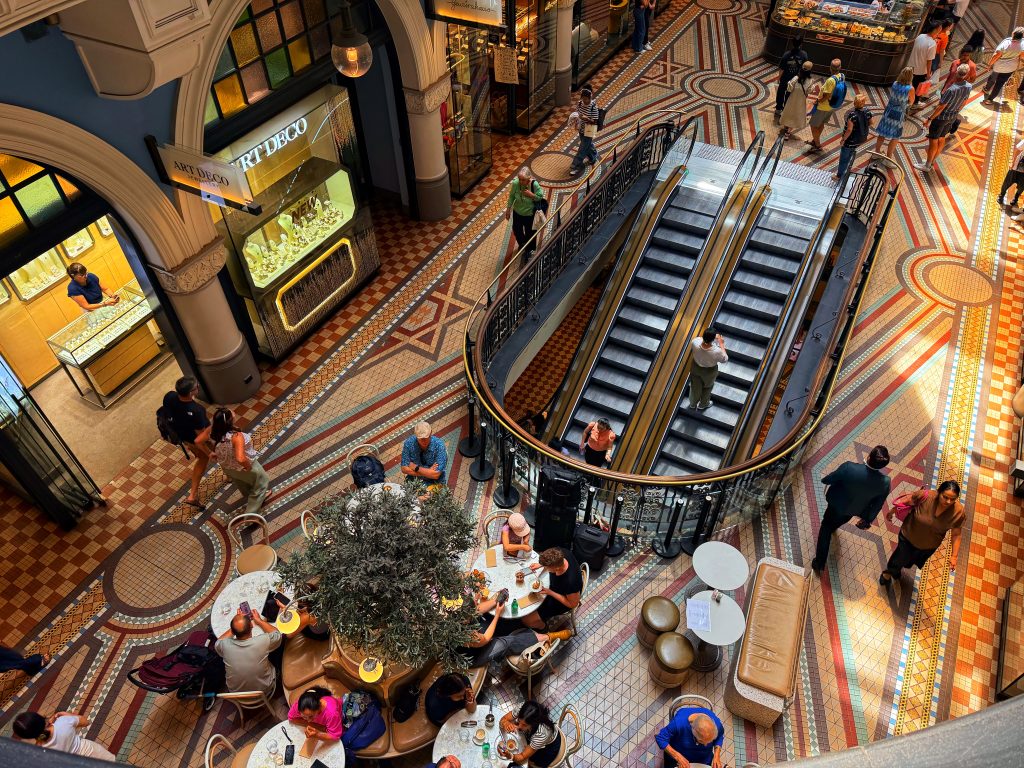
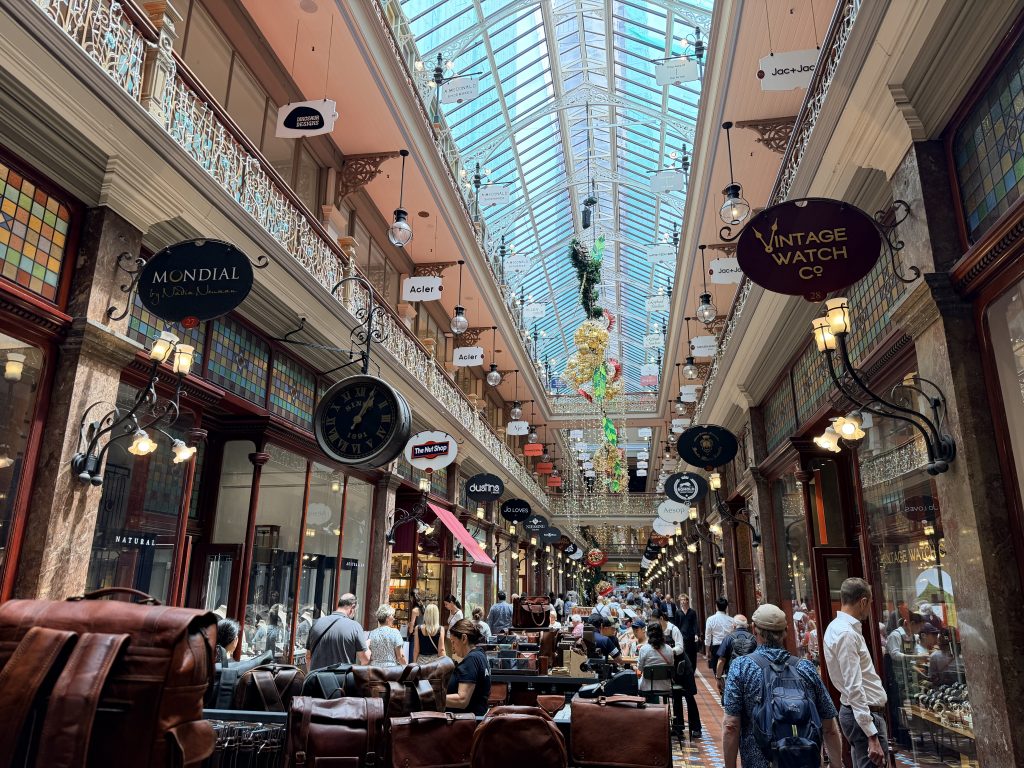
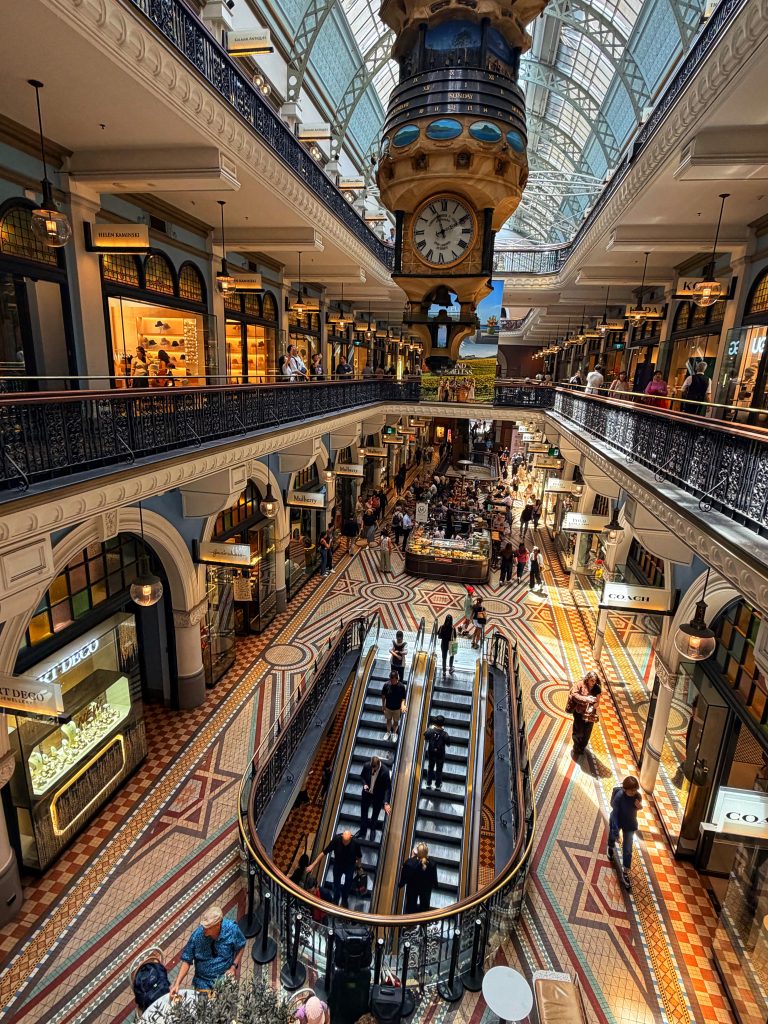
Can you see someone having a coffee? I was calling to him but he never looked up!
我顺路去了Gorman的店,给自己买了一件T恤。这个品牌我第一次知道,是在旧金山的时候看到一个人穿了一件印花特别的外套,PJG帮我问了那个人才知道是 Gorman 的设计。后来我在她们的网店买了一件同款的外套,画了不少的邮费。既然这次来悉尼,当然不能错过亲自逛一逛她们的店。色彩和图案依然大胆又有趣,走在店里就像进入了童话的世界。
While someone had coffee, I stopped by the Gorman store on the way and bought myself a T-shirt. I first discovered this brand in San Francisco, when I saw someone wearing a strikingly patterned jacket. PJG asked the person for me, and that’s how I learned it was a Gorman design. Later, I bought the same jacket from their online store and paid quite a bit for shipping. So since we were in Sydney this time, of course I couldn’t miss visiting their store in person. The colors and patterns were as bold and playful as ever—walking through the shop felt like stepping into a fairytale world.
回到民宿休息了一下,下午三点半准时到了悉尼歌剧院的导览集合点。
After a short rest back at our Airbnb, we arrived right on time for the 3:30 p.m. guided tour of the Sydney Opera House.
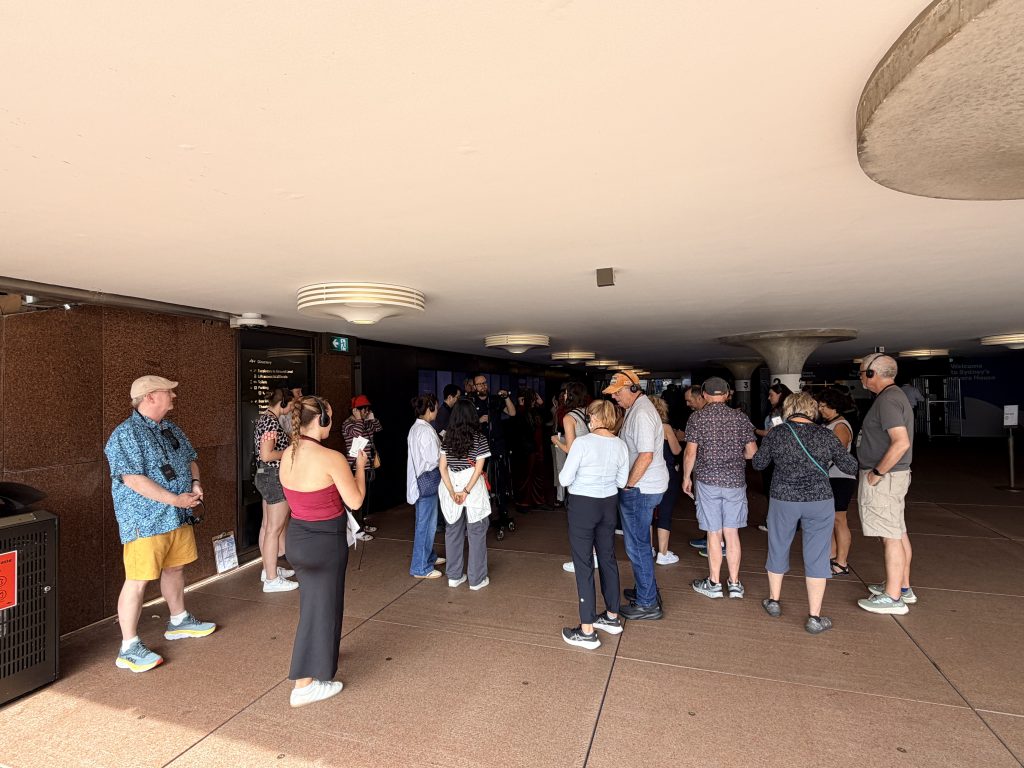
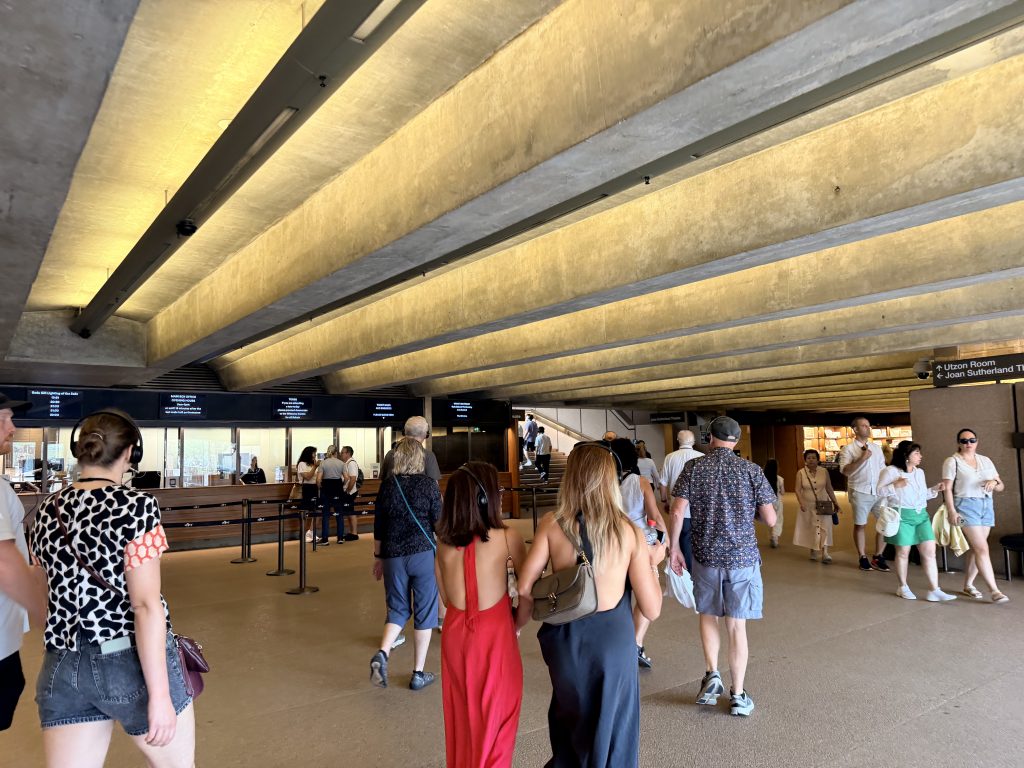
在还没有被英国殖民之前,这片港湾是加迪加尔族(Gadigal people)的土地——他们是悉尼地区的原住民,世代以海为生,在如今歌剧院所在的班尼朗角(Bennelong Point)捕鱼、举行仪式。这片地方原本叫做“Tubowgule”,意思是“水与岩石相遇之地”,如今成了世界闻名的建筑所在地。
Before British colonization, this harbor was the land of the Gadigal people—the original inhabitants of the Sydney area. For generations, they lived by the sea, fishing and holding ceremonies at what is now Bennelong Point, the site of the Opera House. The place was originally called “Tubowgule,” meaning “the place where the water meets the rock,” and it has since become home to one of the world’s most famous buildings.
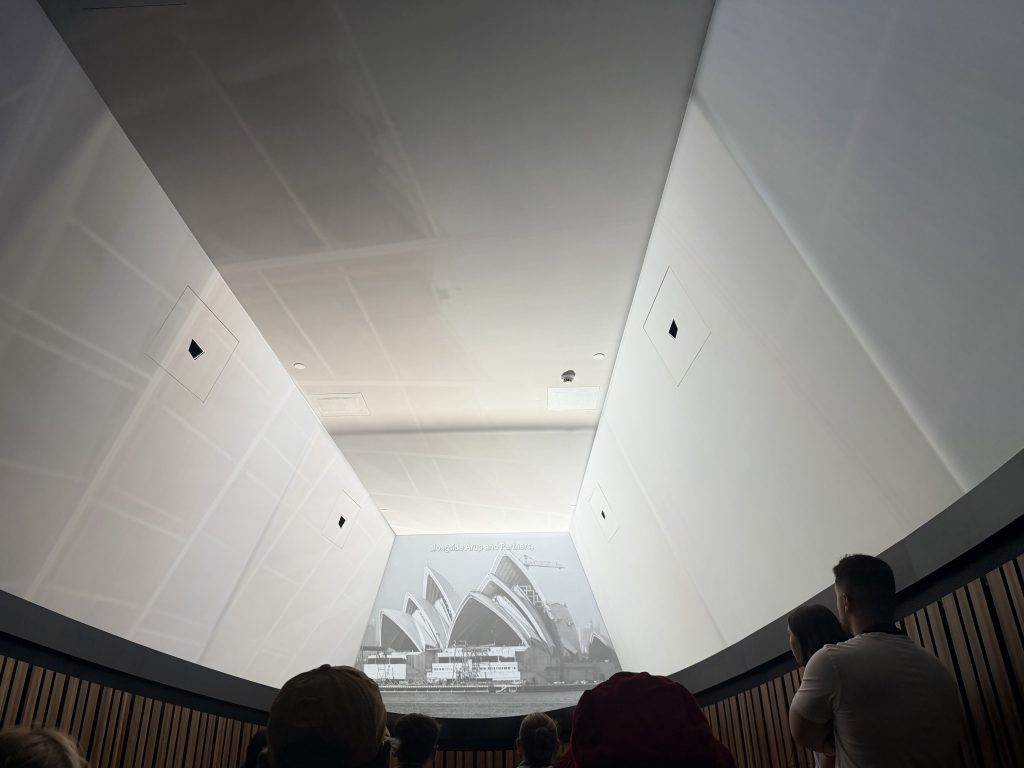
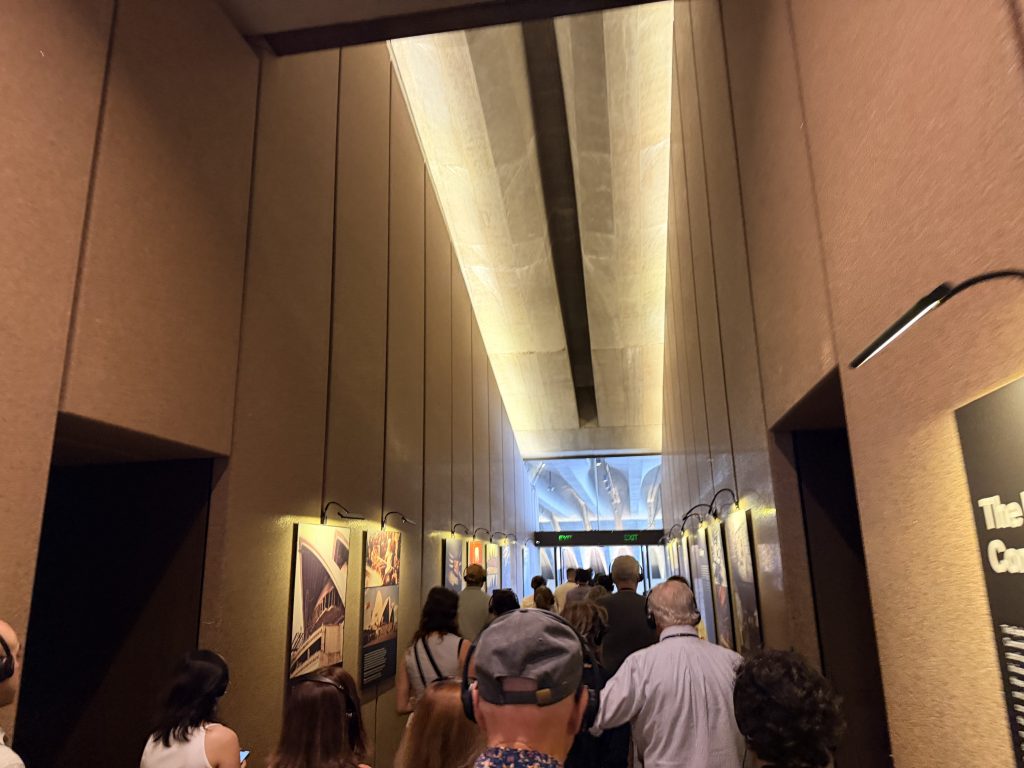
游团持续一个小时,在导游的带领下,我们参观了歌剧院内部的两个主要剧院,也听到了很多它背后的故事——那些关于建筑师、政治家和公众之间的争议与坚持,比舞台上的戏剧还要精彩。
The tour lasted an hour. Led by the guide, we visited two of the main theatres inside the Opera House and heard many stories behind it—the debates and perseverance among the architects, politicians, and the public were more dramatic than the performances on stage.
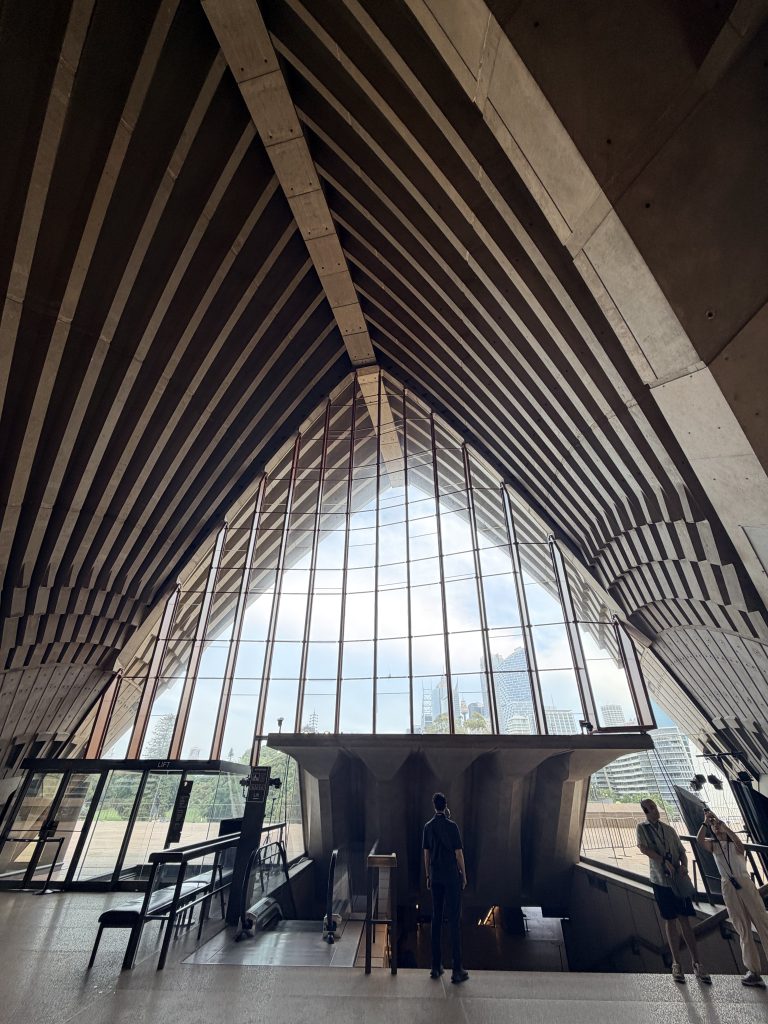
歌剧院的设计来自丹麦建筑师约恩·乌松(Jørn Utzon)。1957年,他以一份大胆的“贝壳屋顶”方案,从200多份设计中脱颖而出。但这份前所未有的设计也让建造过程困难重重——技术瓶颈、预算爆炸、政治压力,全部接踵而至。1966年,乌松在极度失望中被迫离开澳大利亚,再也没有返回到这里,甚至没有亲眼看到自己设计的作品完工。
The design of the Opera House came from Danish architect Jørn Utzon. In 1957, his bold “shell roof” concept was selected from over 200 entries. Yet this unprecedented design made construction extremely challenging—technical hurdles, budget blowouts, and political pressures all followed one after another. In 1966, deeply disheartened, Utzon was forced to leave Australia and never returned. He never even saw his masterpiece completed with his own eyes.
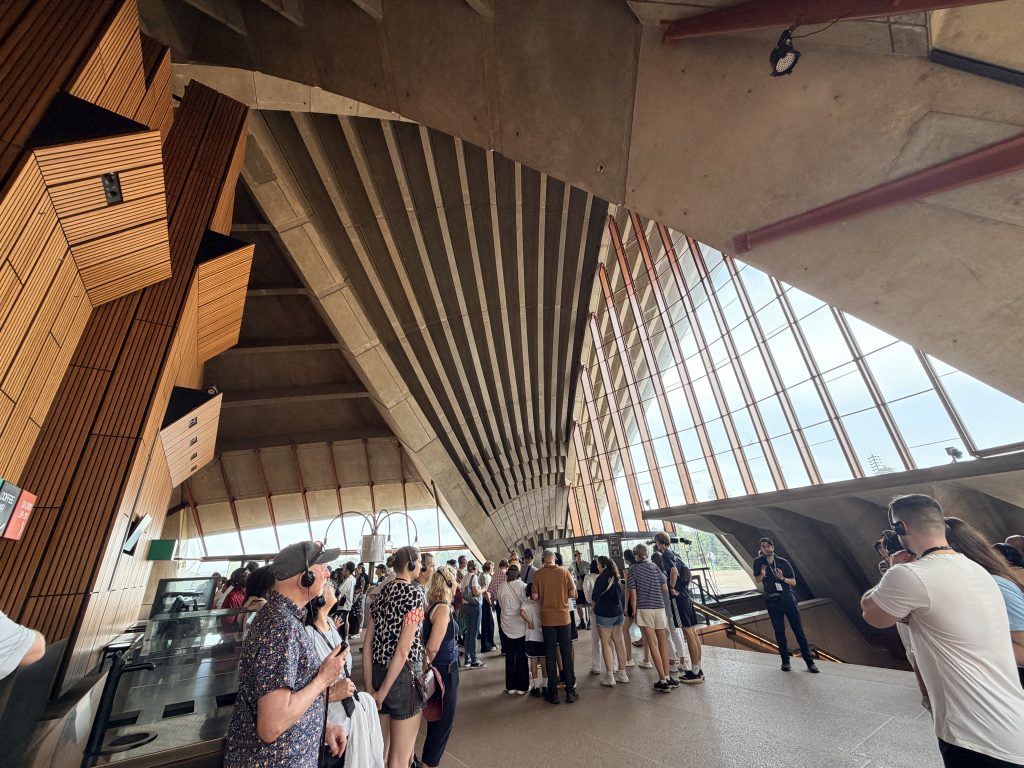
之后由澳大利亚建筑师彼得·霍尔(Peter Hall)接手,负责内部结构和细节设计,让这座举世闻名的地标在历时16年后终于在1973年竣工。几十年后的90年代,澳大利亚政府重新邀请乌松担任顾问。虽然他年迈无法再亲自回到悉尼,但他通过图纸和模型指导了歌剧院后续的翻修,他的儿子——同样是一位建筑师——则经常代替他前来悉尼,与团队合作。乌松虽然没能亲眼再见这座建筑,但乌松的精神始终留在这座城市。
The project was later taken over by Australian architect Peter Hall, who was responsible for the interior structure and detailed design, allowing this world-famous landmark to finally be completed in 1973 after 16 years of construction. Decades later, in the 1990s, the Australian government invited Utzon back as a consultant. Although he was too old to return to Sydney in person, he guided the Opera House’s renovations through drawings and models, while his son—also an architect—often came to Sydney to collaborate with the team on his behalf. Utzon never saw the building again with his own eyes, but his spirit has remained in the city ever since.
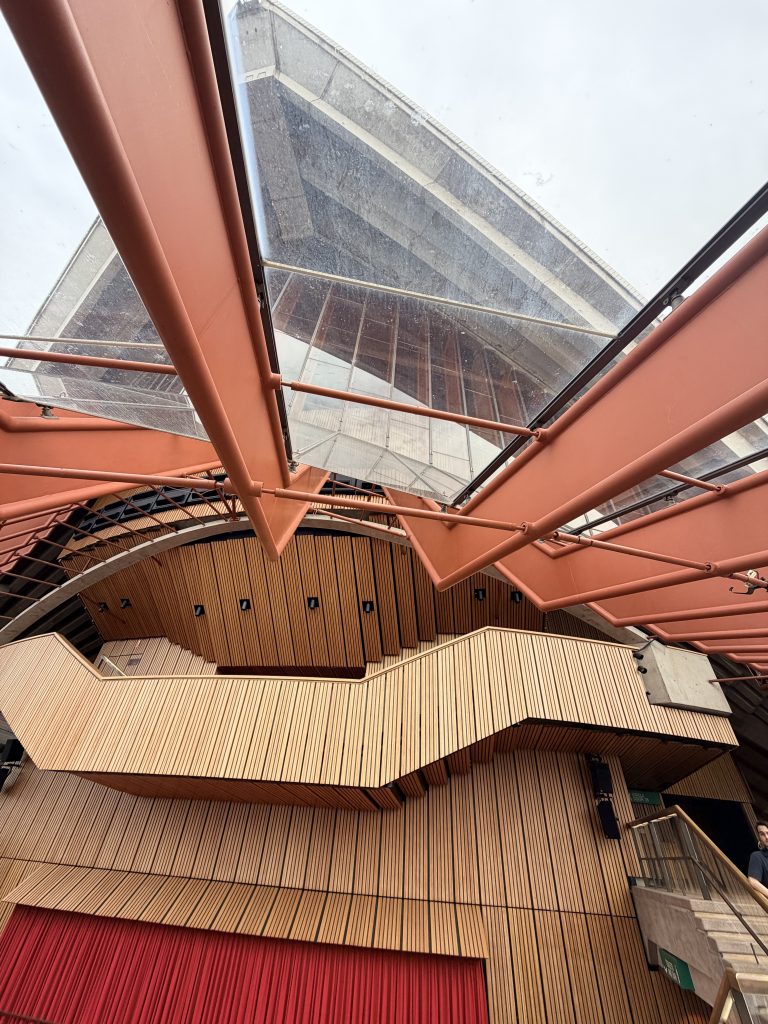
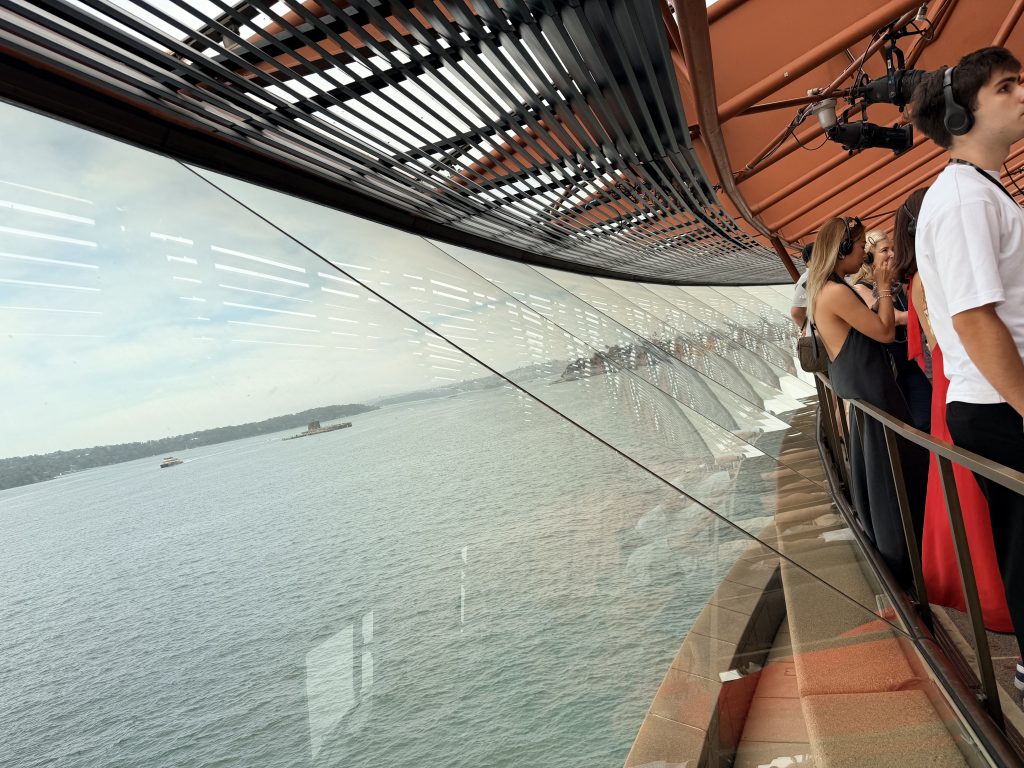
剧院的内部感觉比较简约,但是对声音的设计是精益求精的。我们参观的两个两个主剧院的墙壁和舞台都使用了一种独特的白桦木,能完美反射声音。导游说,在这里表演的歌者完全不需要麦克风,声音会在整个空间自然回荡,清晰又温柔。那一刻真的能感受到建筑不只是视觉的艺术,而是能被“听见”的艺术。
The interior of the theatre feels relatively simple, but its acoustic design is perfected to the finest detail. The two main theatres we visited have walls and floors made of a special type of Eucalyptus wood that perfectly reflects sound. The guide told us that singers performing here don’t need microphones—their voices naturally resonate throughout the space, clear and gentle. In that moment, you could truly feel that architecture is not just a visual art, but an art that can be heard.
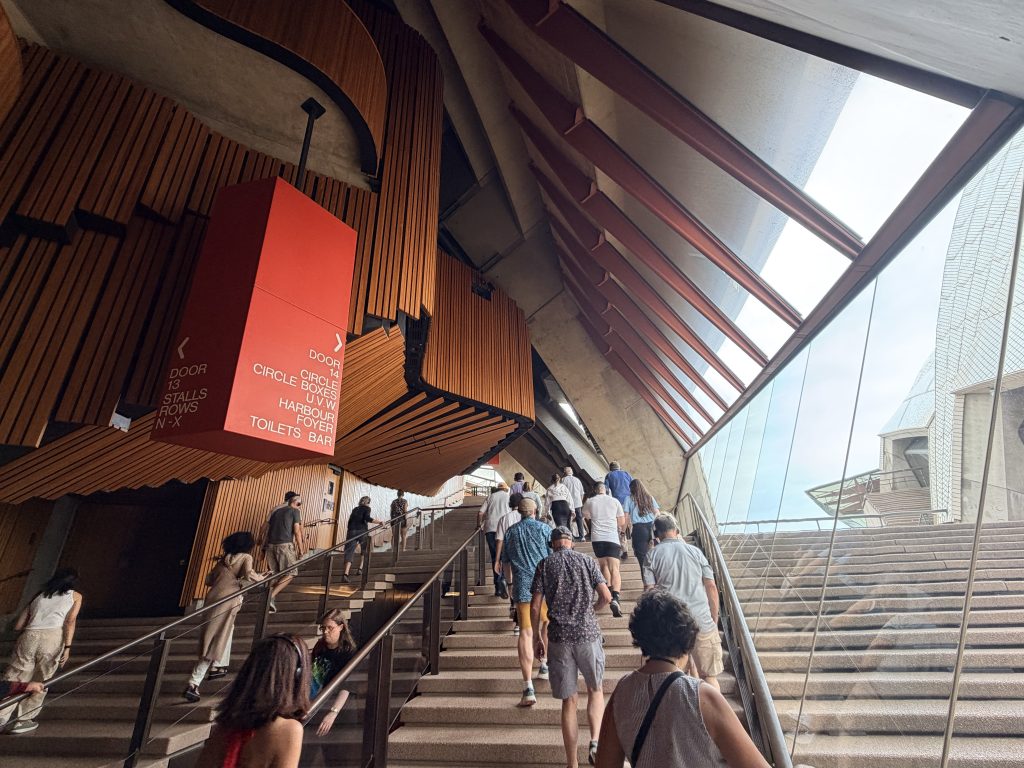
2007年,悉尼歌剧院被联合国教科文组织列入世界文化遗产名录——那是乌松去世的前一年。也许他没能亲眼看到,但他应该早已知道,这座建筑早已超越了他个人的名字,成为全世界共同的奇迹。
In 2007, the Sydney Opera House was inscribed on the UNESCO World Heritage List—just a year before Utzon passed away. Perhaps he never saw it in person, but he must have known that this building had long since transcended his own name and become a shared wonder of the world.
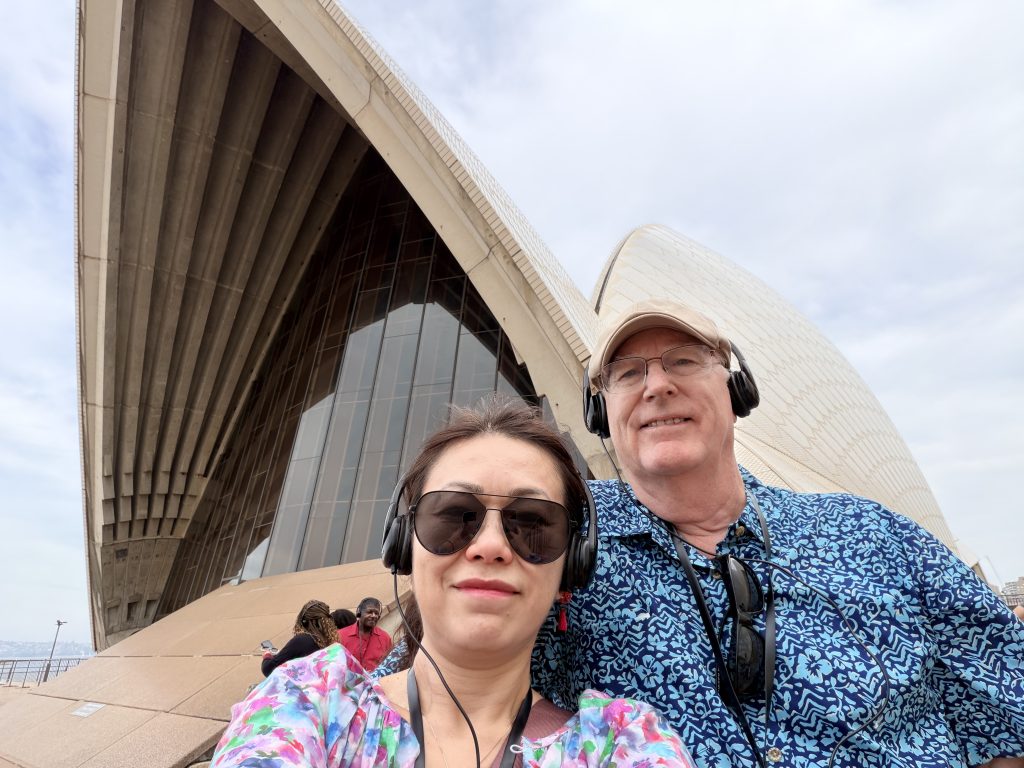
我们原本打算在悉尼歌剧院下面的酒吧坐一会儿,点两杯啤酒,好好感受这片港湾独有的氛围。港口边人们的笑声,音乐、海风和阳光混在一起,是那种让人舍不得离开的傍晚。可惜理想很美好,现实是——每一家酒吧都人满为患,连靠栏杆的立位都被占得一干二净。
We had planned to sit for a while at one of the bars beneath the Sydney Opera House, order a couple of beers, and soak in the unique atmosphere of the harbor. The laughter of people by the waterfront, the music, the sea breeze, and the sunlight all blended together—it was the kind of evening you never want to leave. Unfortunately, the reality didn’t quite match the dream—every bar was packed, and even the spots by the railing were completely taken.
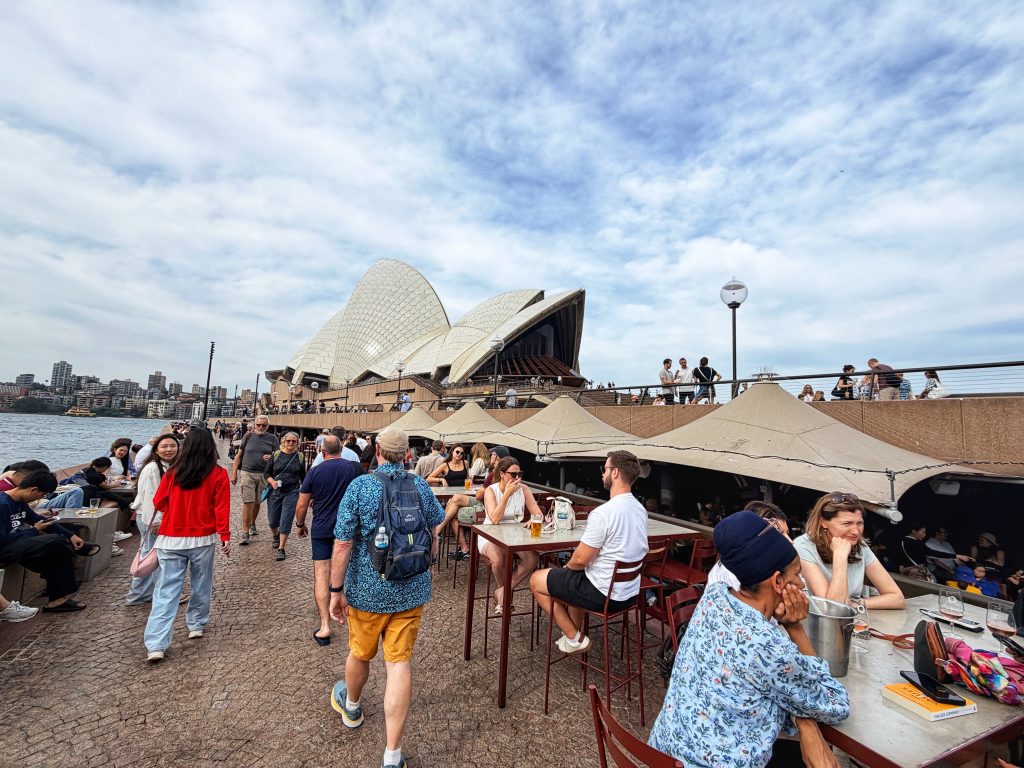
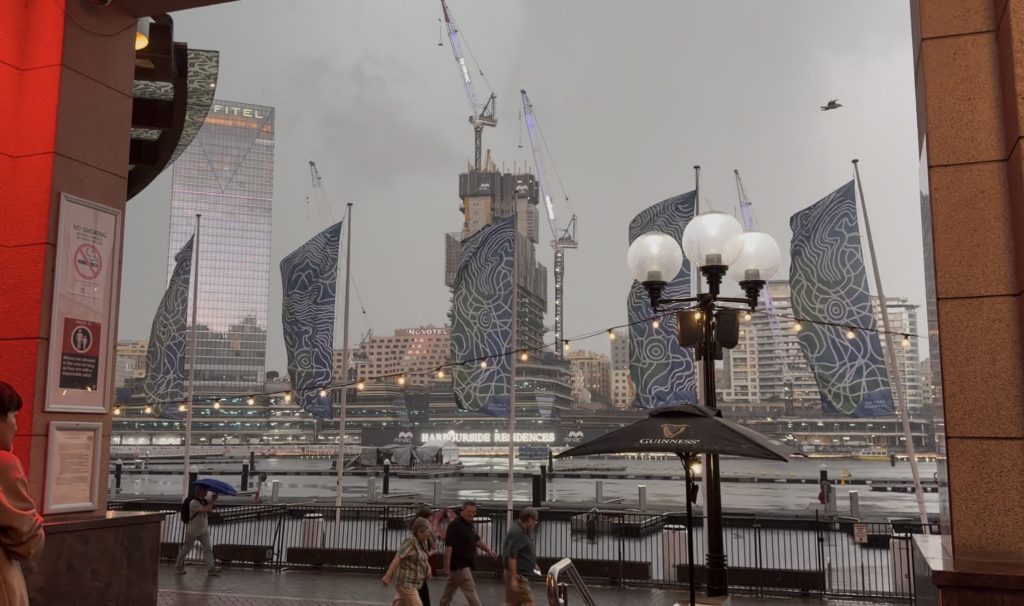
找不到座位的我们,索性不再纠结,漫无目的地走回了达令港。我们终于在一家露天酒吧坐下点了两杯冰啤酒。没想到没过多久,天色突然变暗,乌云从海那边压了过来。闪电划破天空,伴着滚滚的雷声,暴雨倾盆而下。我们赶紧转战酒吧的室内,看着外面的大雨一阵阵拍打着港口,港湾的旗子在大风中飘荡。
Unable to find a seat, we decided not to fuss and instead wandered aimlessly back toward Darling Harbour. We finally found an open-air bar, sat down, and ordered two cold beers. But before long, the sky suddenly darkened, and thick clouds rolled in from the sea. Lightning split the sky, followed by deep rumbles of thunder, and then came a torrential downpour. We quickly moved inside the bar, watching as sheets of rain lashed the harbor and the flags along the waterfront whipped wildly in the wind.
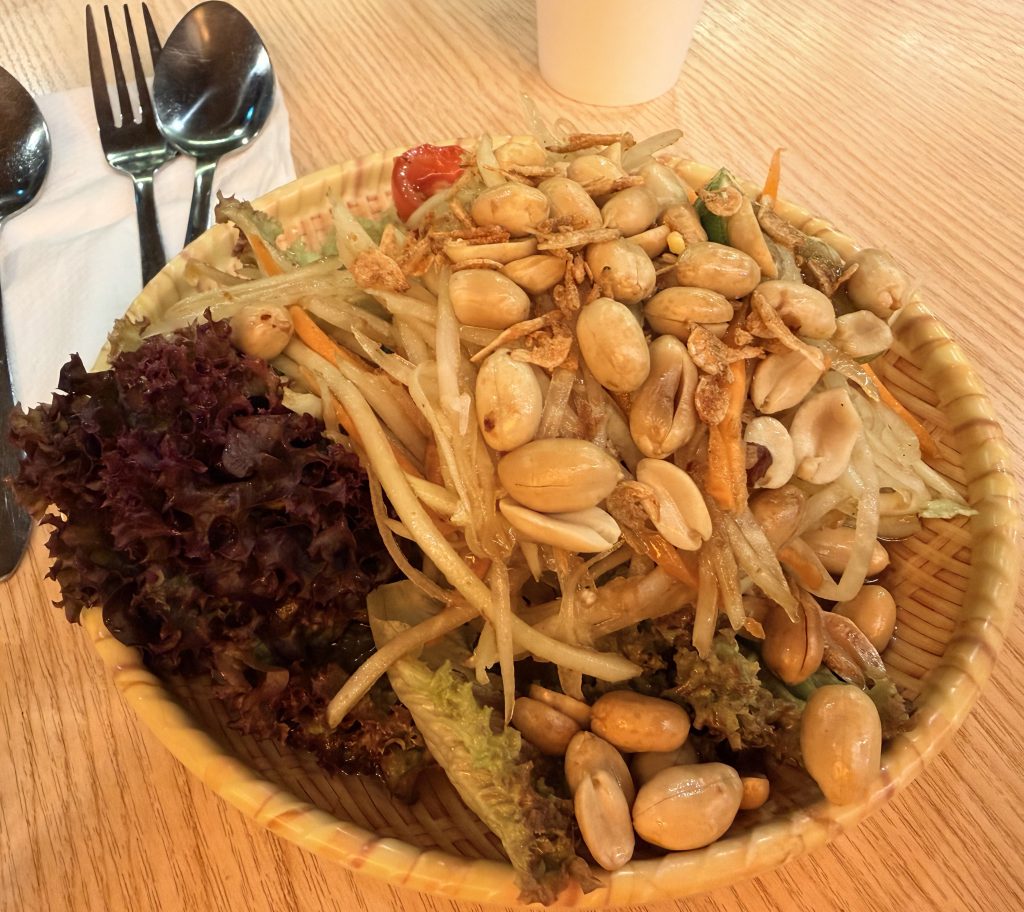
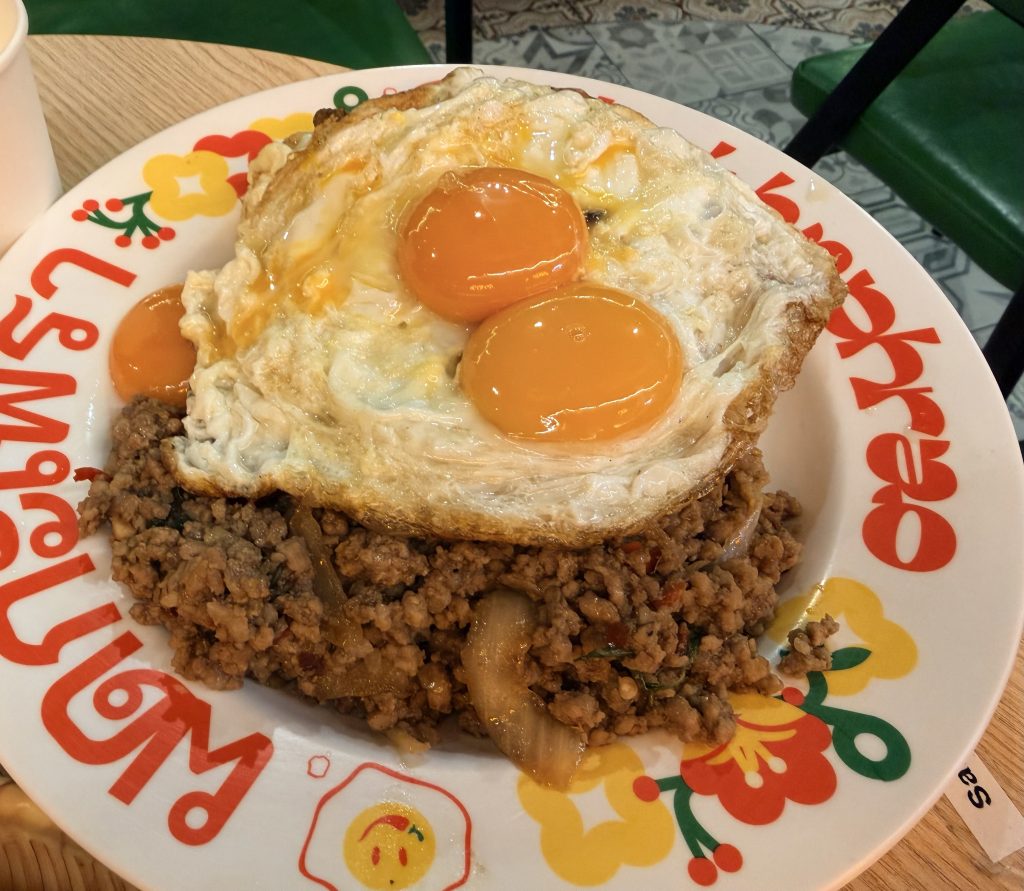
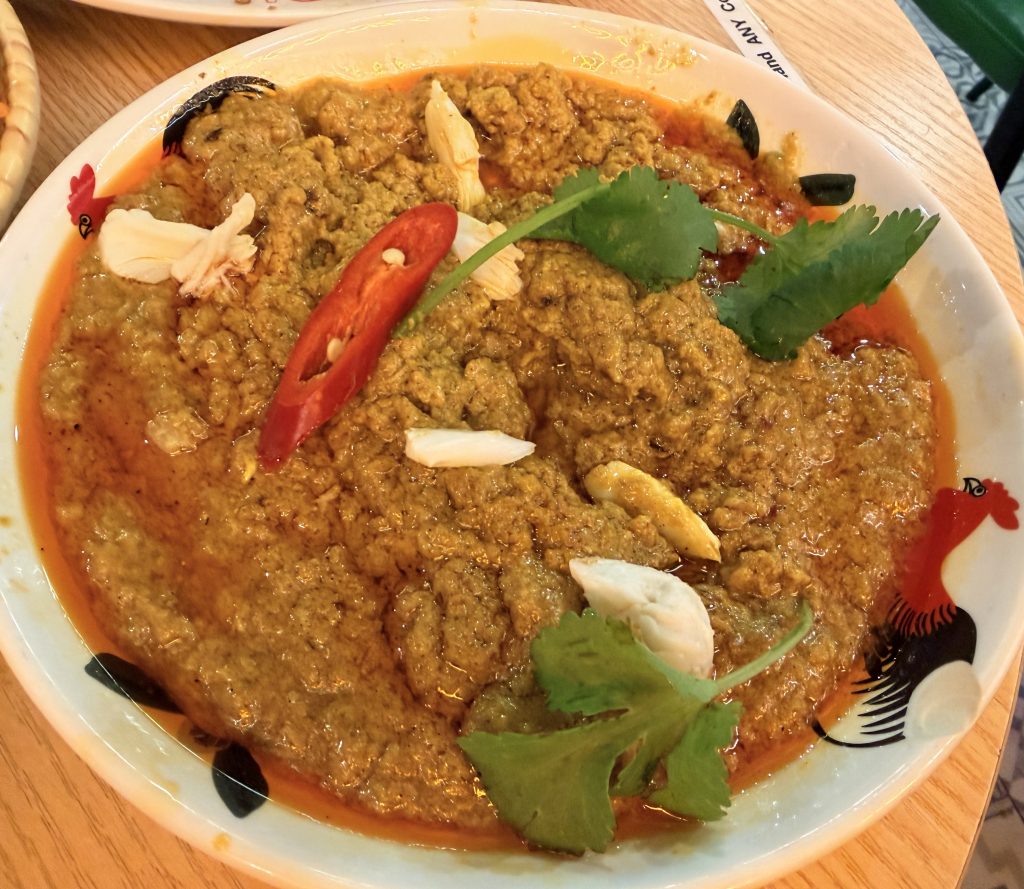
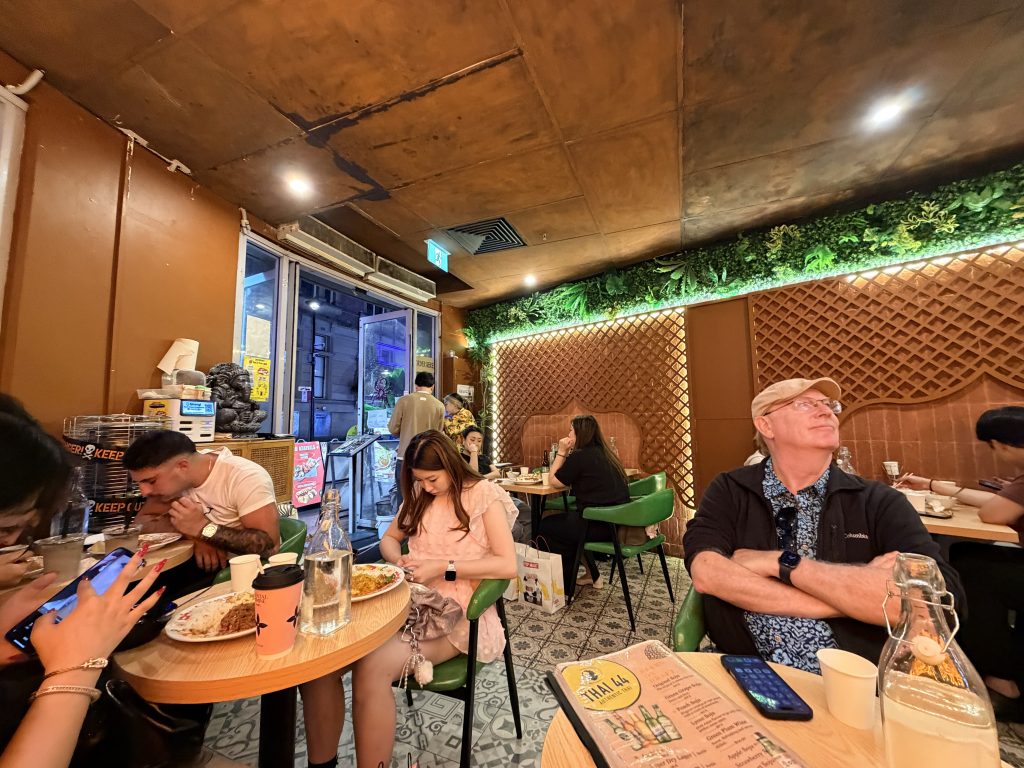
我们今天走了将近10英里,足足两万四千多步。原本计划是去吃一顿澳洲和牛犒劳自己,可惜风雨加上疲惫,让我们打消了念头。最后只在民宿附近的一家小泰国餐馆随便吃了晚饭,我们俩都颇感失望。明天吧。
We walked nearly 10 miles today—over 24,000 steps in total. The plan had been to treat ourselves to an Australian wagyu dinner, but the wind, rain, and exhaustion made us give up on the idea. In the end, we just grabbed a simple dinner at a small Thai restaurant near our Airbnb. We were both a bit disappointed. For sure tomorrow!
今天的小熊惊喜
Today’s little bear surprise
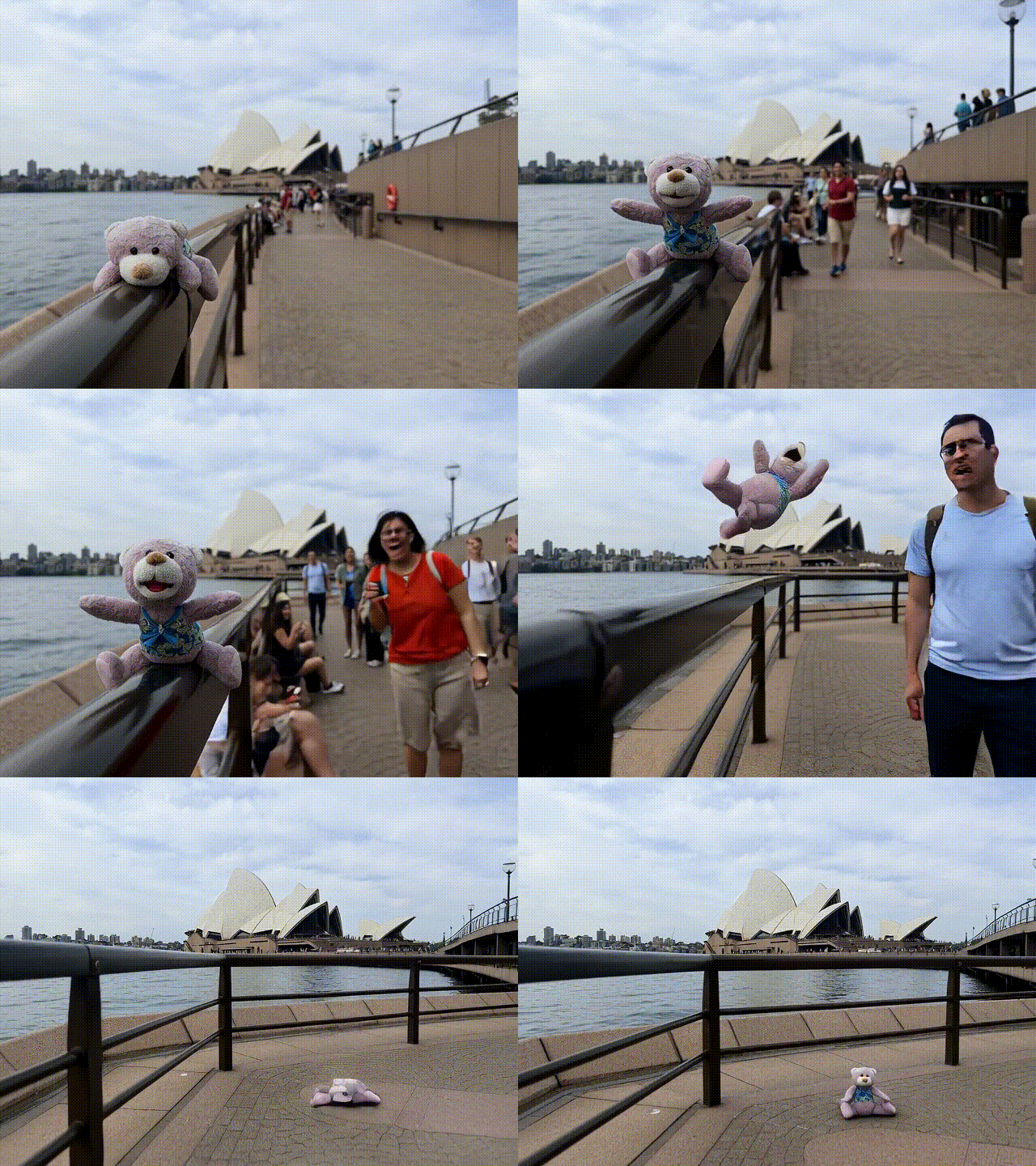
Sorry about your little pink bear, but he certainly is enjoying his brief time sightseeing with you.
You didn’t say if you bought another Gorman shirt?
你俩今天走了10英里!太厉害了,看来旅行有一个好体力是必要的!
看你的介绍,感知到歌剧院的曲折、独特、对于声音的精致追求。尤其设计师的故事很打动我。
看来当地的酒吧人也挺多,放松的好地方。
小熊已经成为文章的亮点,我很爱看!咋弄的呢?
看到人工智能能做到的那些事,我们觉得是时候让小熊“活”过来了!