
11/25/2025 星期二, Tuesday, the 24th day of our Down Under to Eastern Delight trip
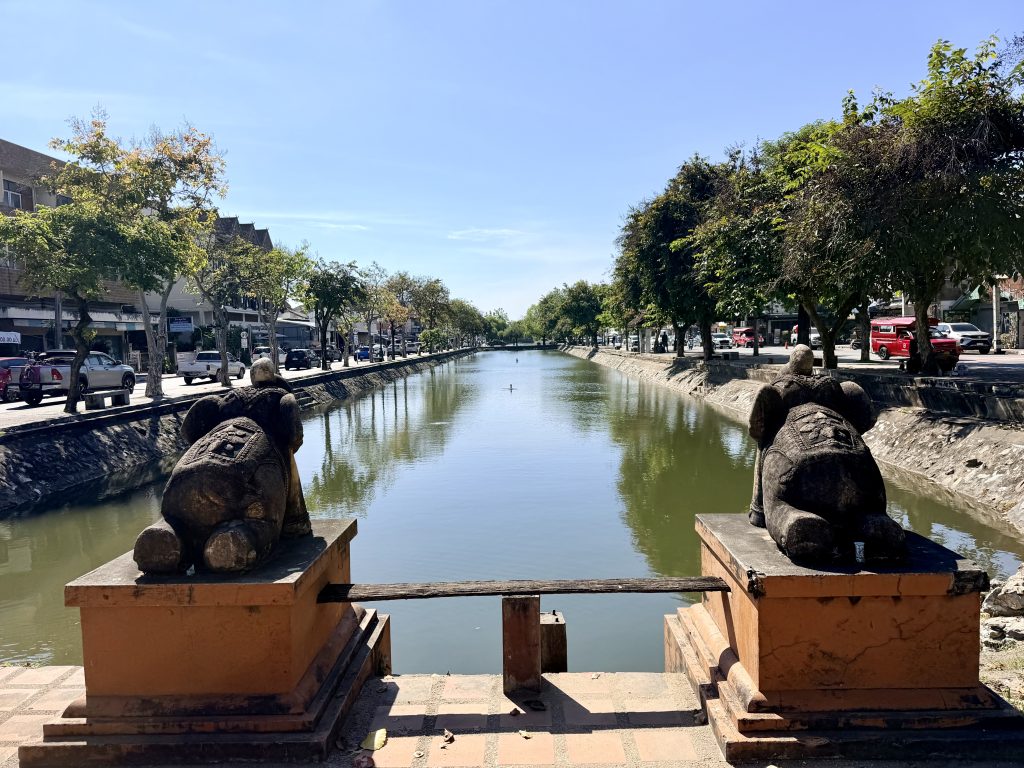
上午因为新加坡的分公司,不得不进行了一个小时的网络会议,还好时差对我来说没问题。今天我俩打算轻松地围绕古城的护城河走一圈。沿着护城河走,在四个转角和四座城门附近,都能看到断断续续的砖墙残迹。这些最初由孟莱王在1296年建立清迈时建造,用来抵御外敌。当年城墙应当厚重完整,在1558年缅甸攻占清迈后,大面积城墙被毁,随后数百年间经历了战火、荒废与风化。我以前不知道,清迈曾被缅甸统治过将近 200 年。
This morning, because of a meeting with the Singapore branch, I had to join a one-hour online call. Luckily, the time difference didn’t effect me! Today the two of us planned a walk around the Old City moat.
As we followed the water, we saw broken stretches of brick walls near the four corners and the four city gates. These were first built by King Mangrai in 1296 when Chiang Mai was founded, meant to defend against outside enemies. Back then the walls would have been thick and intact. After the Burmese captured Chiang Mai in 1558, large sections were destroyed, and over the following centuries they went through war, abandonment, and erosion. I never knew Chiang Mai had been under Burmese rule for over 200 years.
如今看到的角堡和城墙,其实大多是 18—19 世纪时修复重建的,只是其中夹着一些真正古老的砖块。站在残墙前,很容易让人想象,当年这座北方古城的守卫者也曾在同一条护城河畔望向远处的敌军烟火;而今天,眼前只有静静流淌的水与被时间磨旧的红砖,在阳光下沉默地记录着过去的历史。
The four corners and walls seen today are mostly restorations from the 18th–19th centuries, with only some original bricks mixed in. Standing before the ruins, it’s easy to imagine the defenders of this northern city once watching enemy smoke from the same moat’s edge; but today, all that remains is the quiet water and weathered red bricks, silently holding the city’s past under the sunlight.
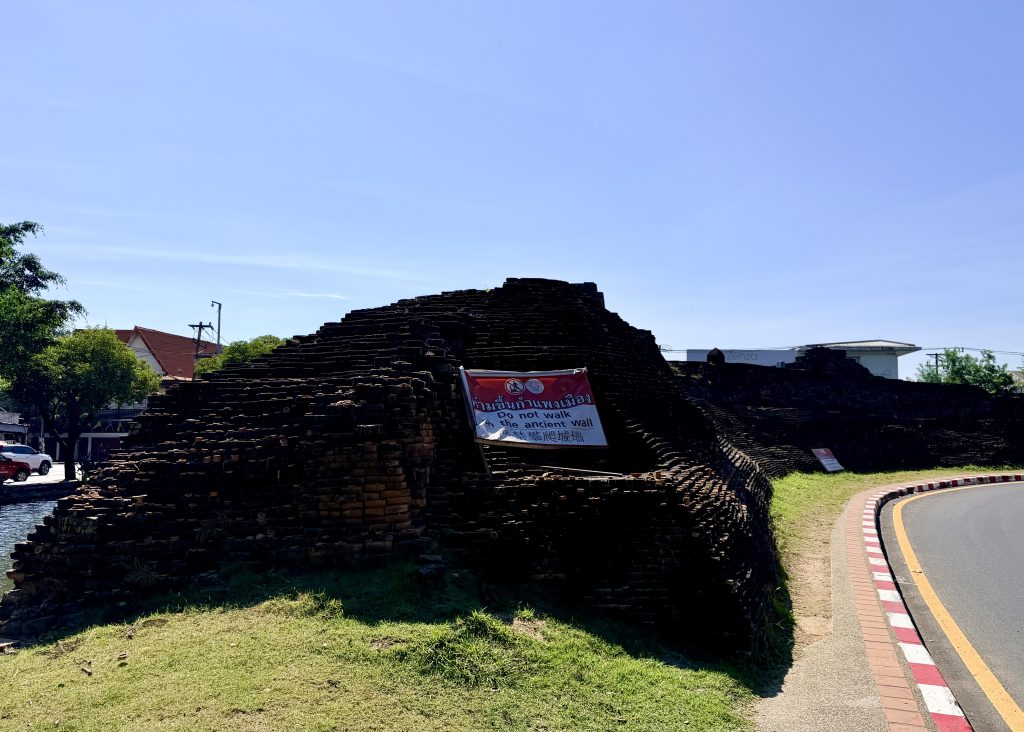
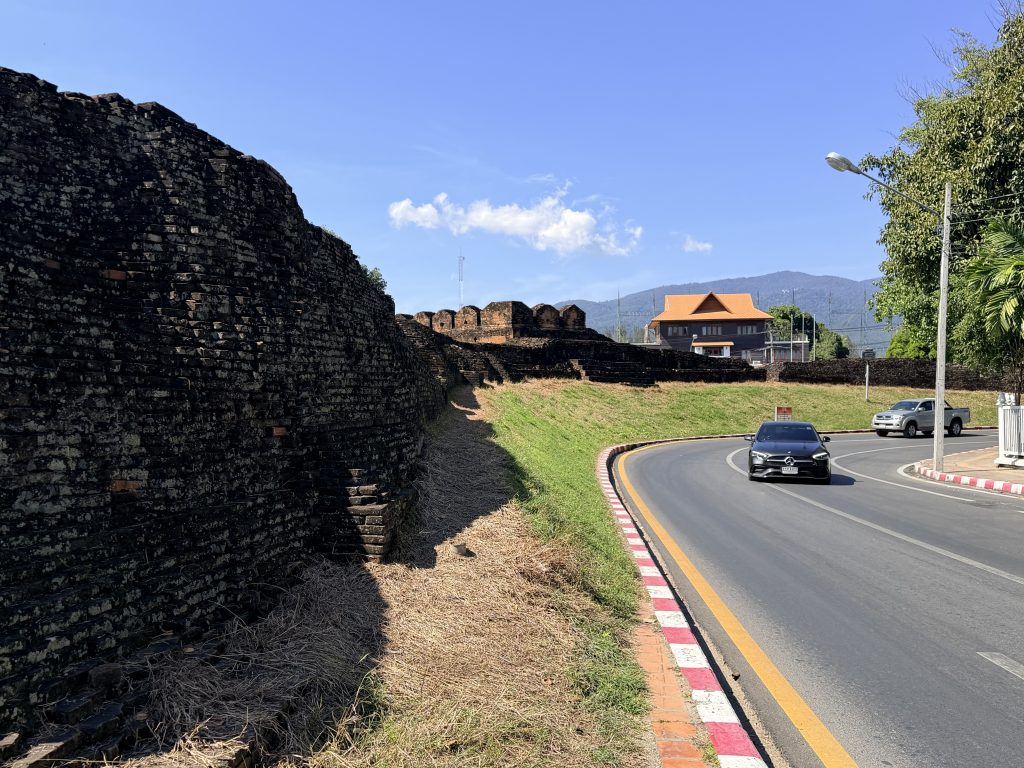
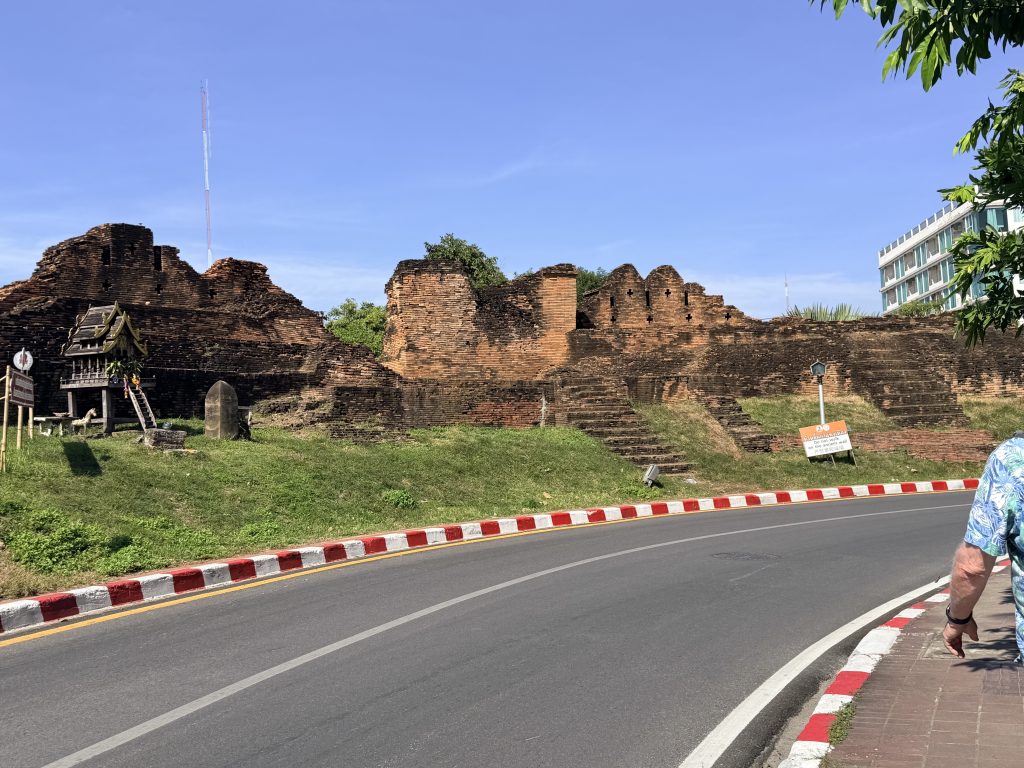
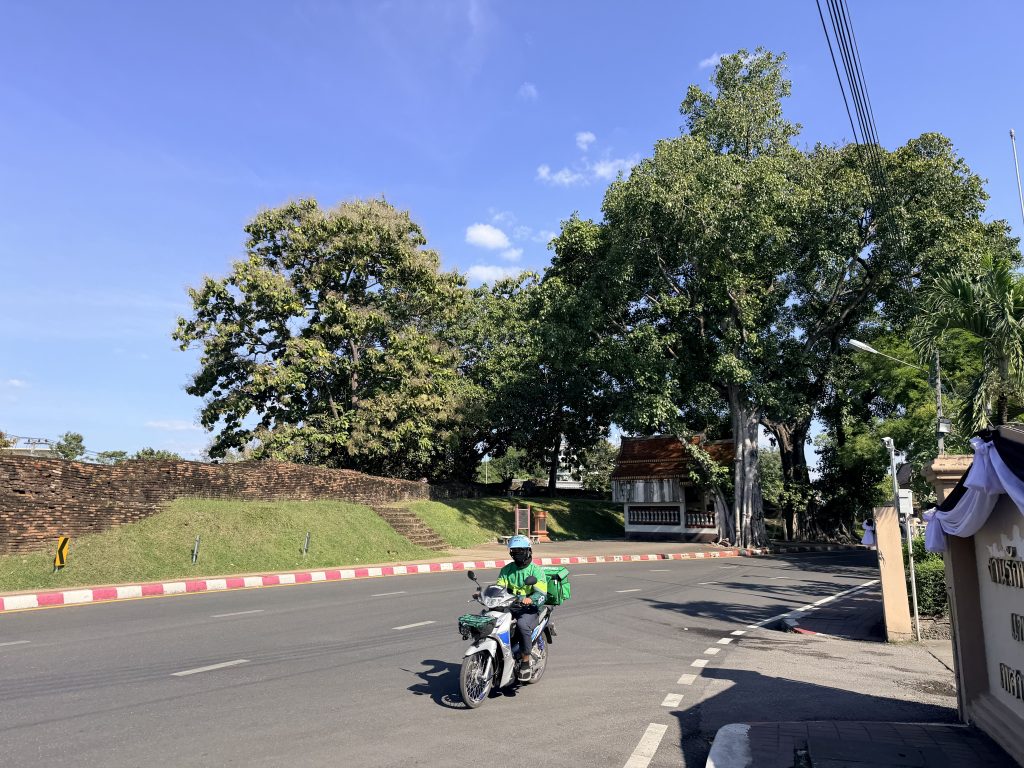
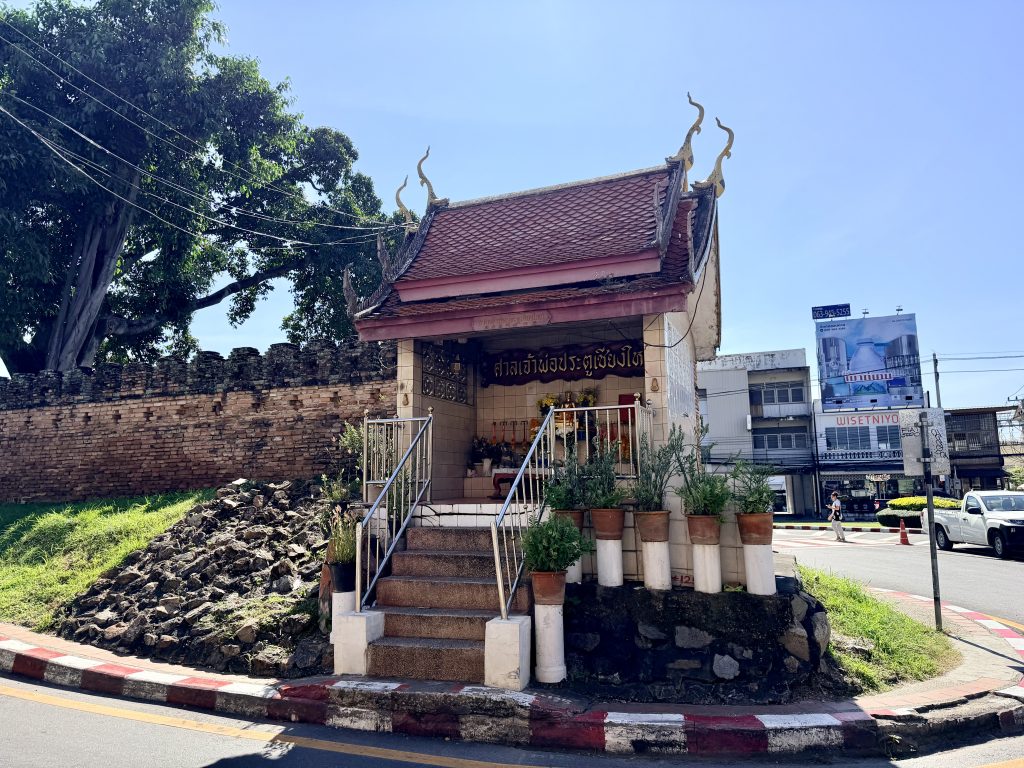
这个四个角堡的轮廓依旧清晰,应该是古城最具历史感的部分之一。- The outlines of the four corners are still clearly visible, making them some of the most historic parts of the Old City.
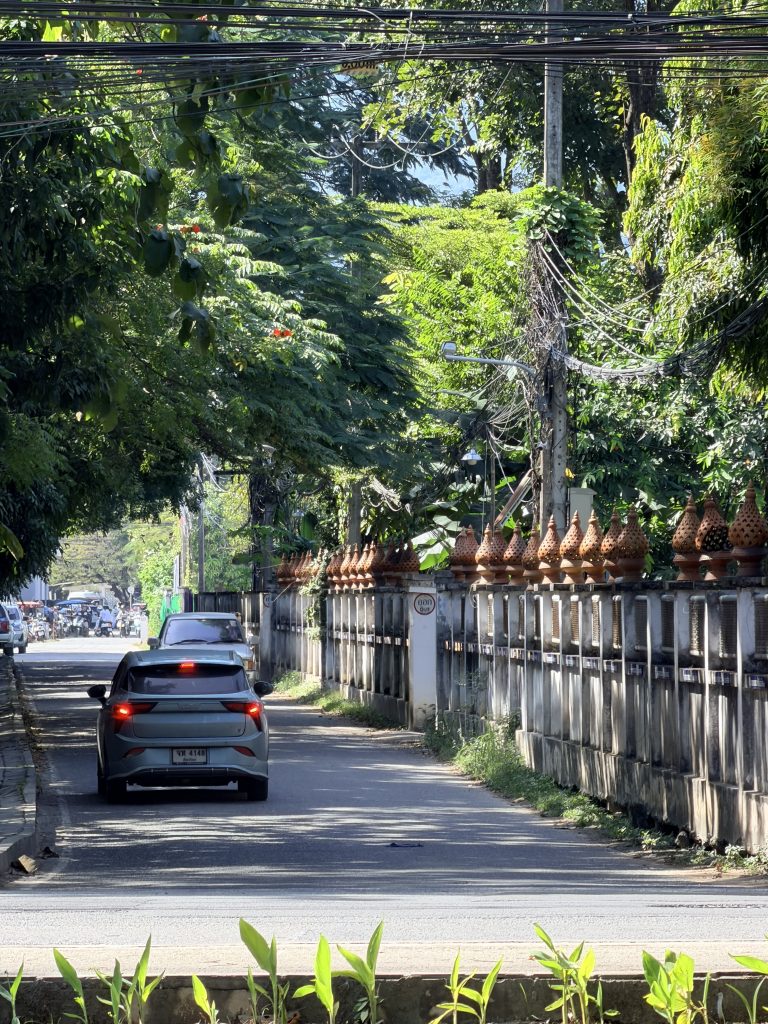
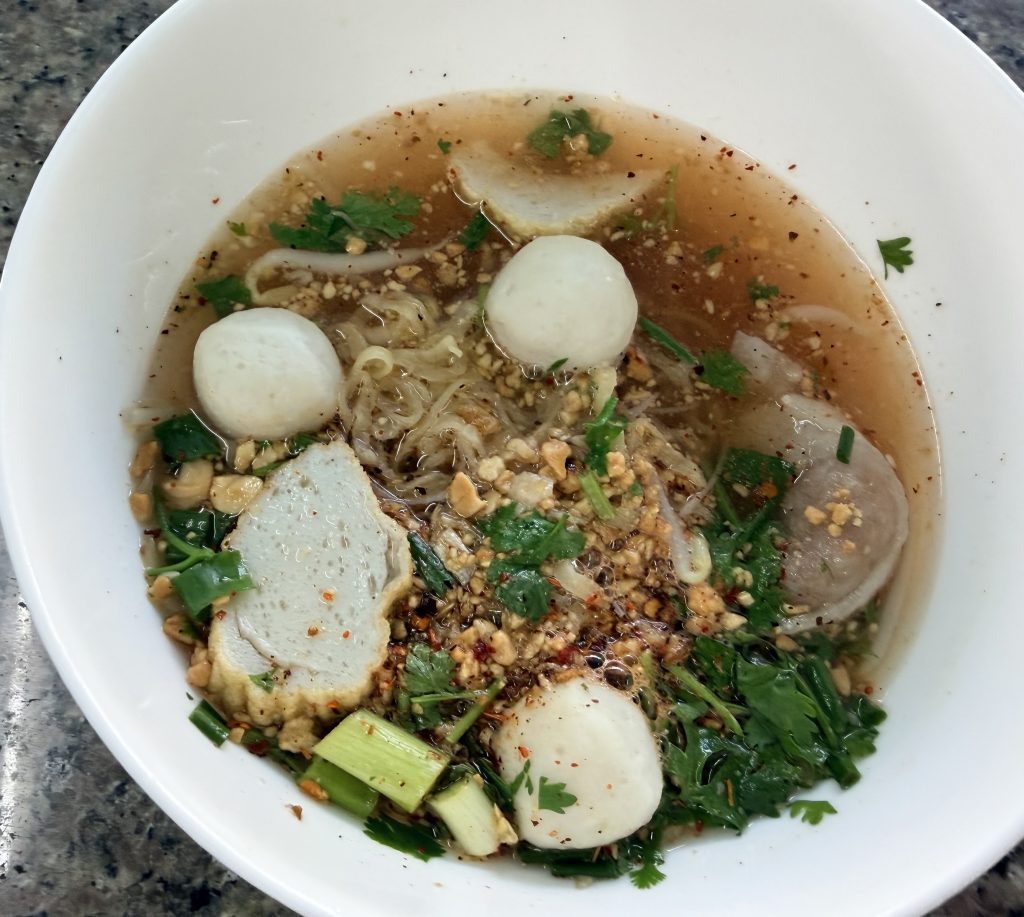
午饭的目标是再去试一家网上推荐的泰北咖喱面店。结果绕着护城河徒步时特意绕道过去,竟然遇上店家休息,完全没营业。无奈之下只好在附近随便找了一家也卖泰北咖喱面的餐馆。味道其实还不错。某人坚持认为还是没有米其林推荐的那家好,而我觉得两者不相上下。
Our plan for lunch was to try another Khao Soi noodle shop recommended online. We made a detour toward it during our walk around the moat, only to find it closed for the day (thanks alot google maps! 😡). With no other choice, we picked a nearby place that also served Khao Soi. It actually tasted pretty good. One of us insisted it still wasn’t as good as the Michelin-recommended one, while I thought the two were about the same.
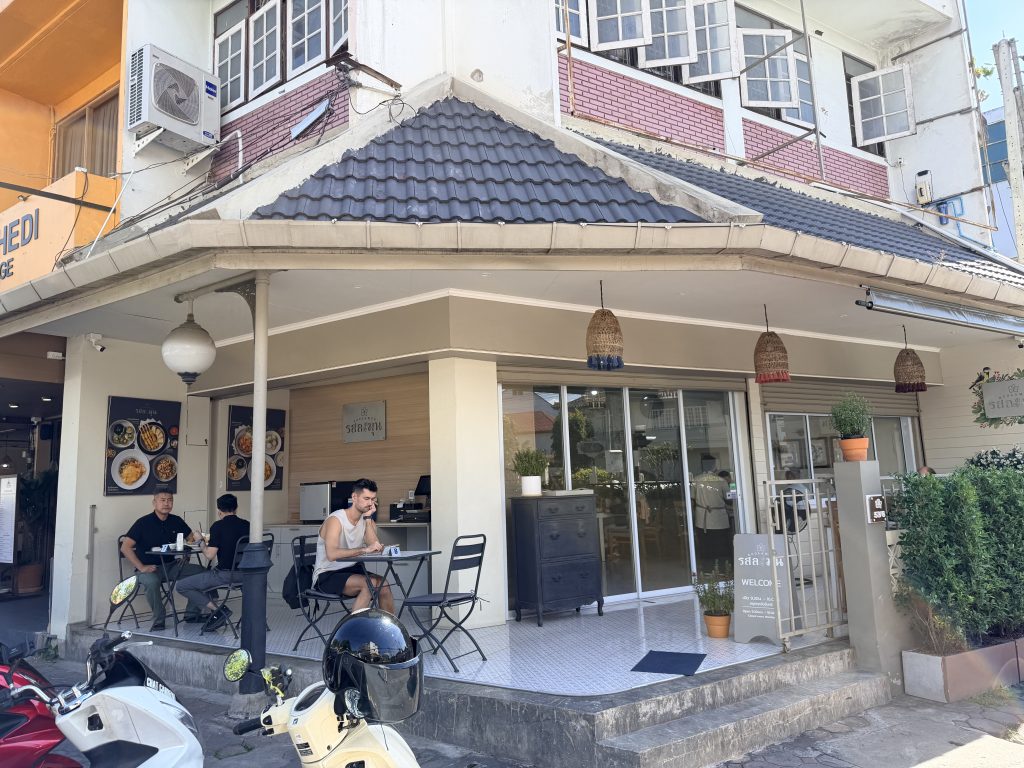
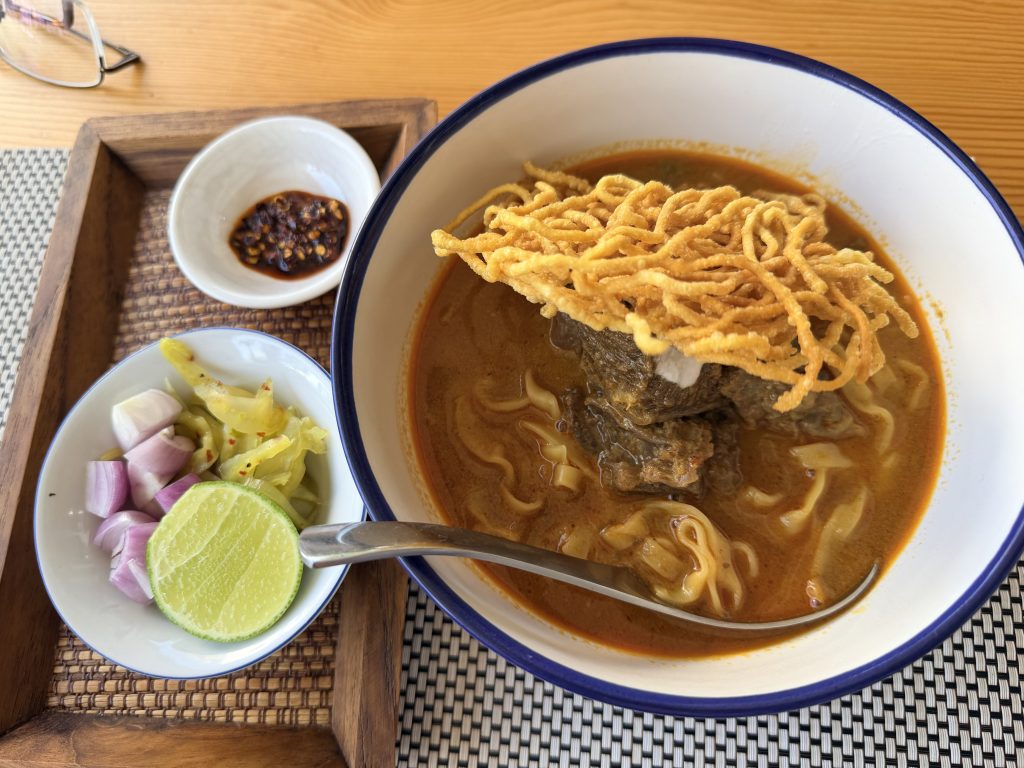
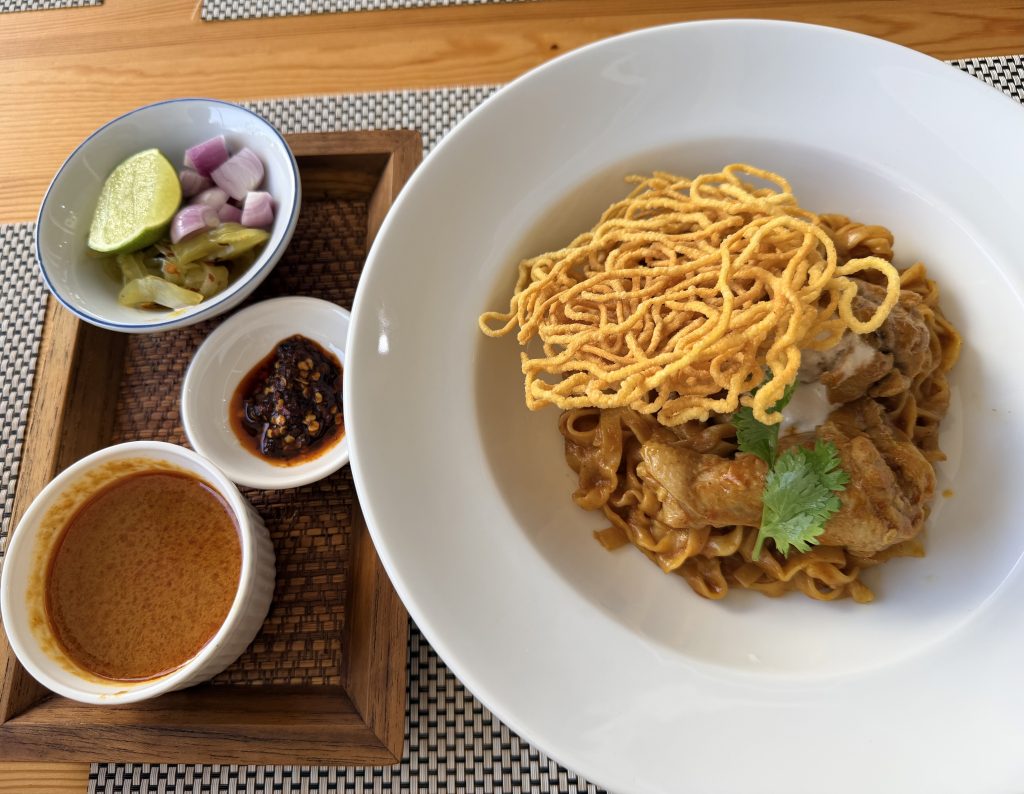
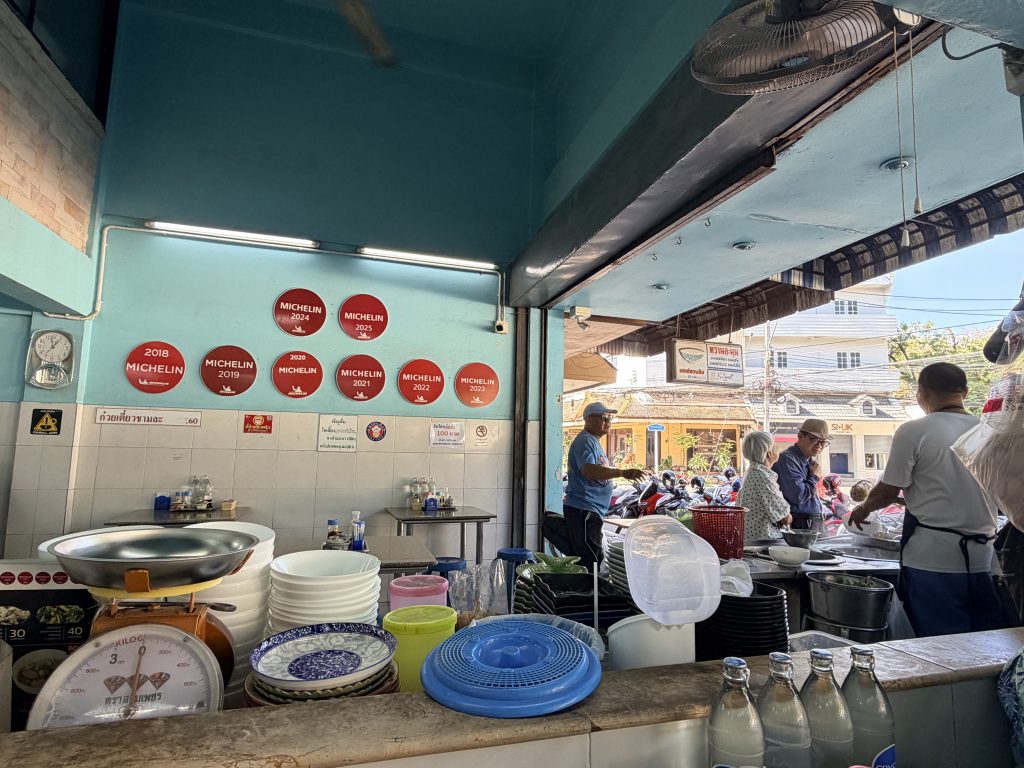
就在午饭餐厅旁边,我看到一家从 2018 到 2025 年都被米其林推荐的面馆,于是在那里忍不住又点了一碗试试。吃面的时候我打开米其林 App 查了一下,却根本没找到这家店。我问了服务员,她解释说她们在曼谷的母店才是被米其林推荐的。听起来多少有点挂羊头卖狗肉的嫌疑。不过面本身味道还可以,只是如果没有那一排醒目的推荐牌子,我应该不会特地再来尝一碗。
Right next to the lunch spot, I noticed a noodle shop that claimed to be Michelin-recommended from 2018 to 2025, so I couldn’t resist ordering another bowl. While eating, I opened the Michelin app to check, but the restaurant didn’t appear at all. I asked the staff, and they explained that it was their Bangkok main branch that had actually been recommended. It felt a bit like using the name without the real credentials. The noodles themselves were decent, but without that row of eye-catching Michelin signs, I don’t think I would have come in just to try another bowl.
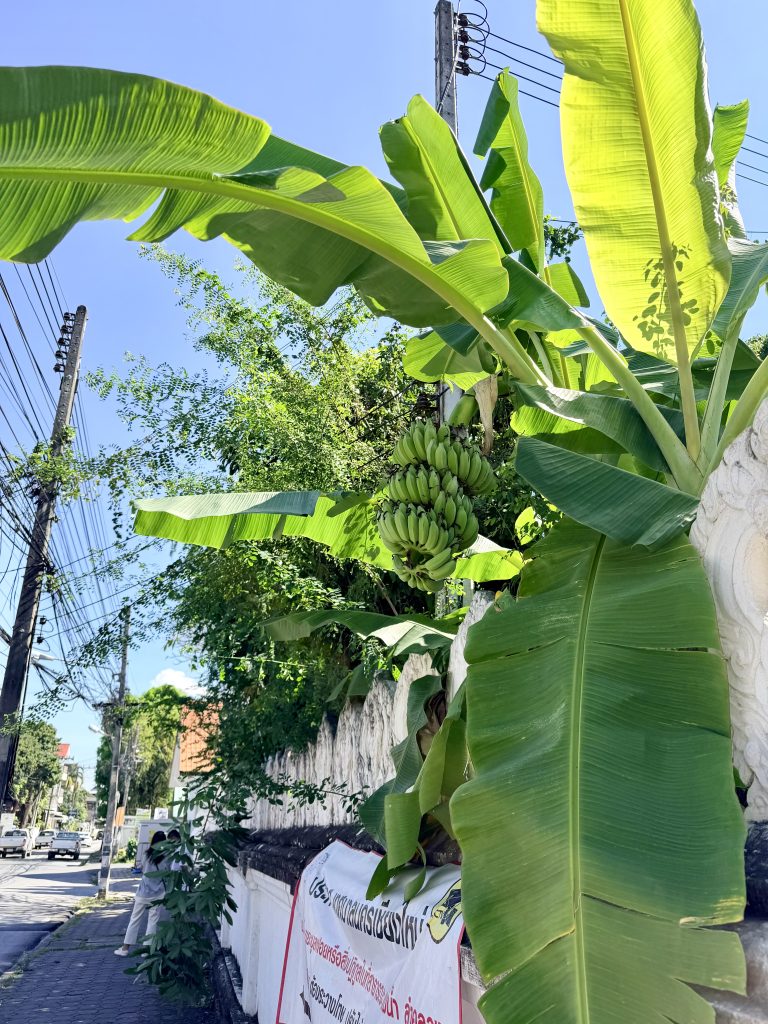
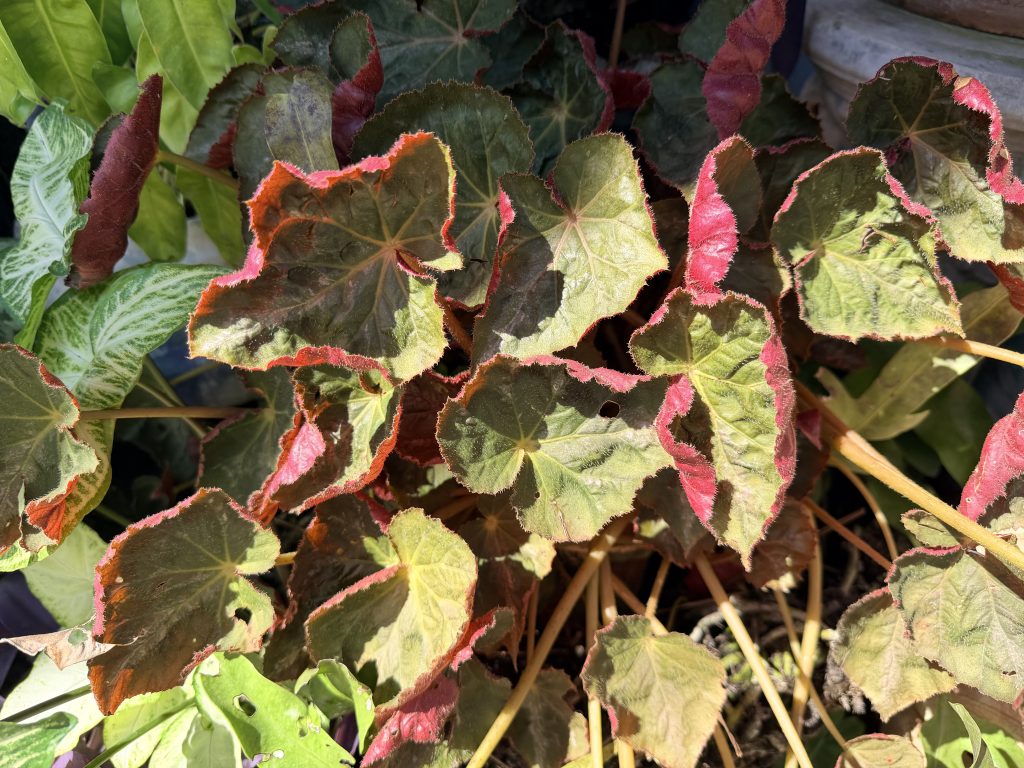
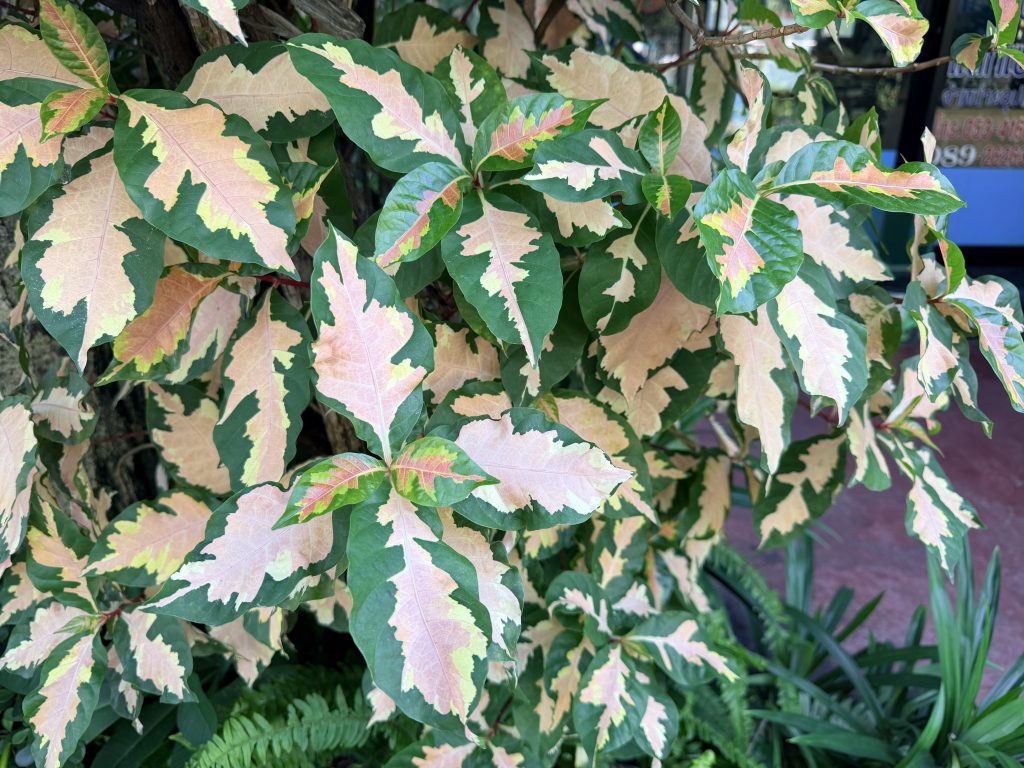
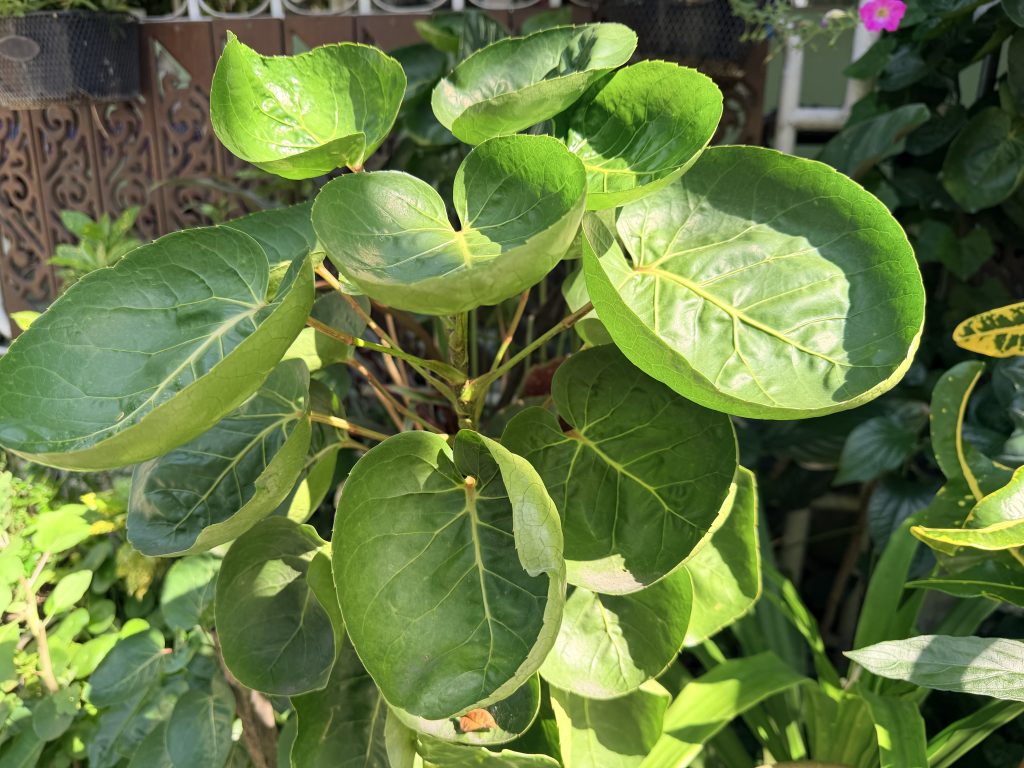
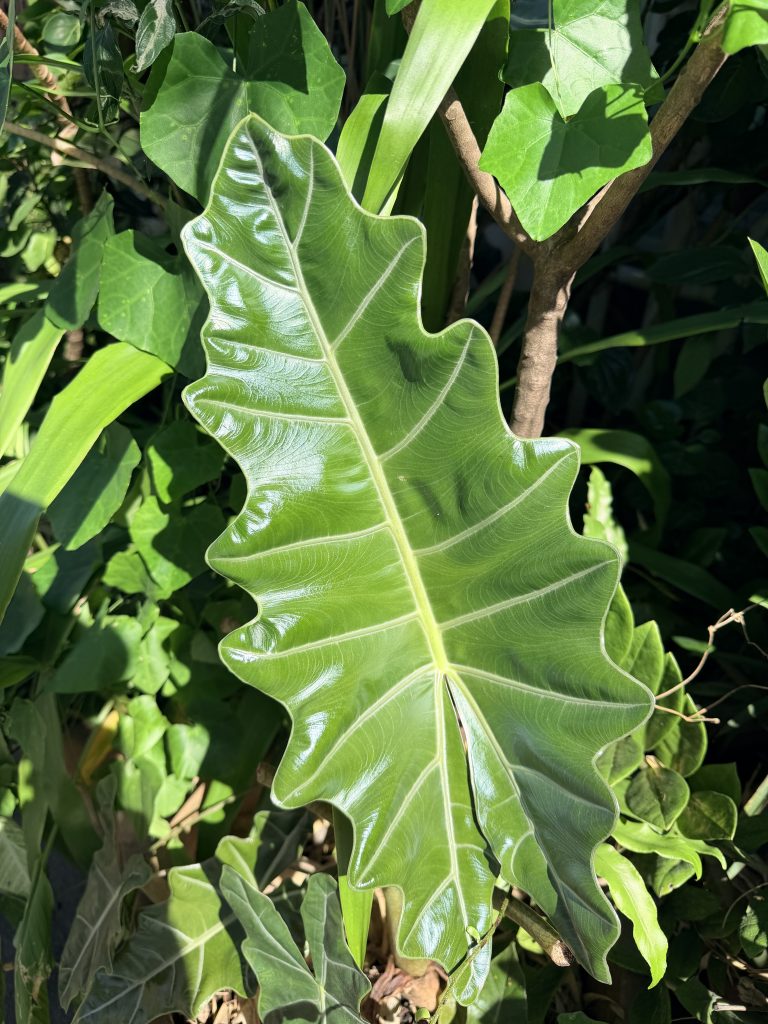
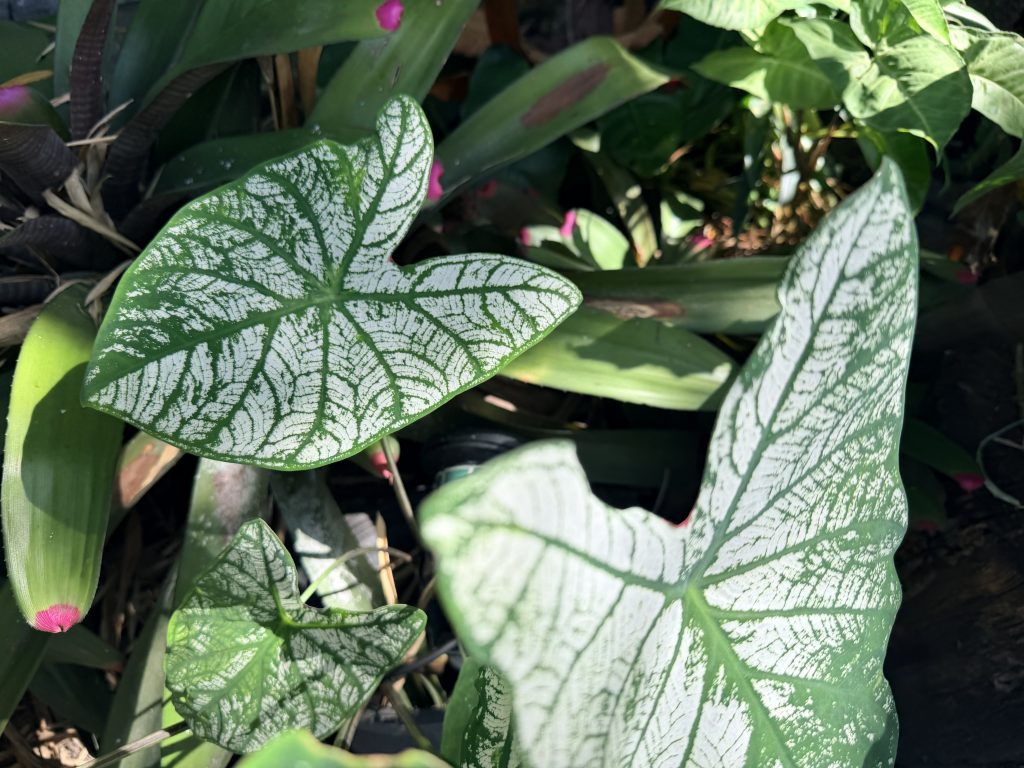
今天看到的好看的植物 – The beautiful plants we saw today.
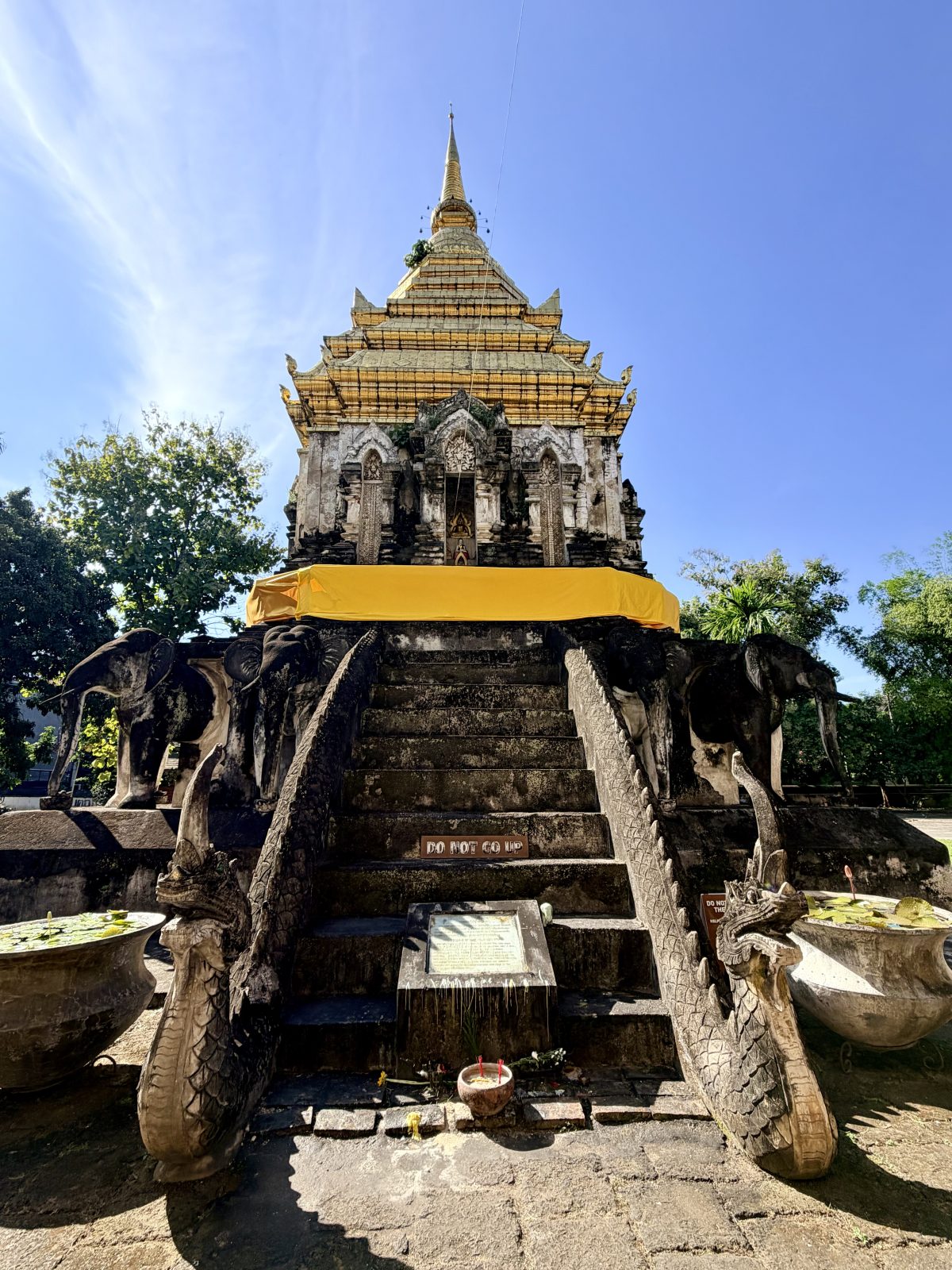
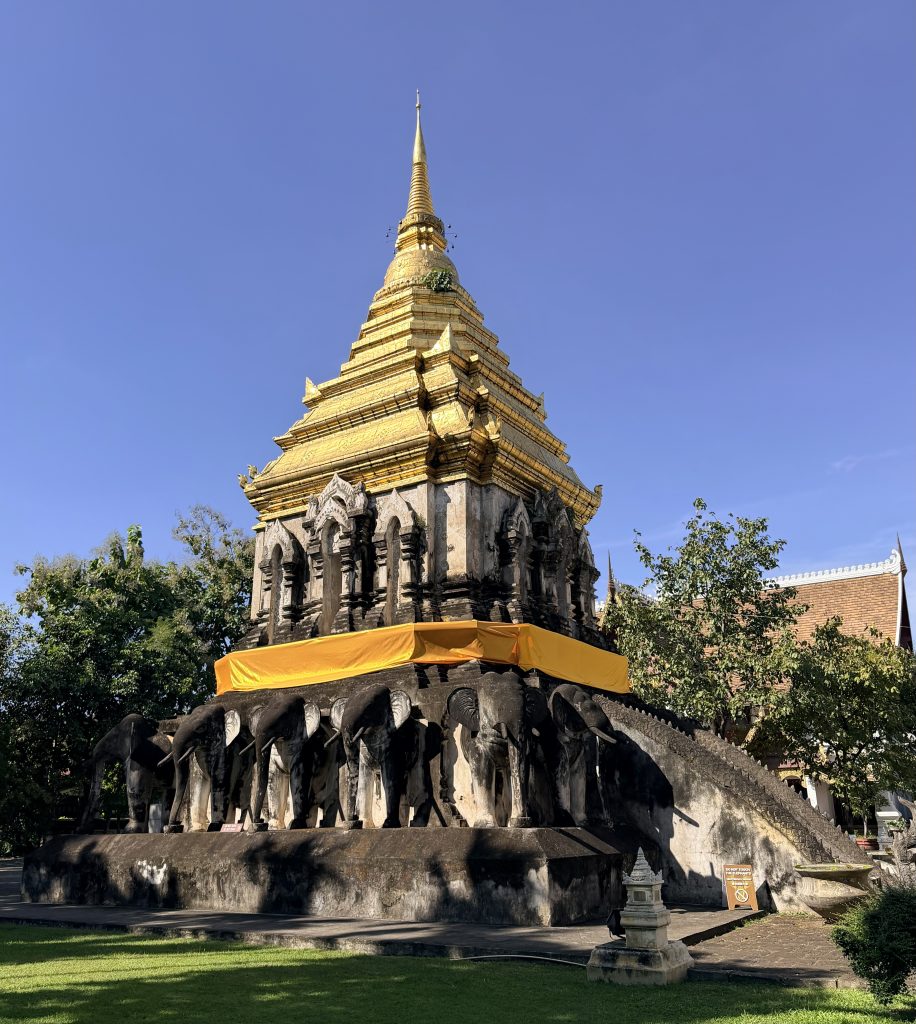
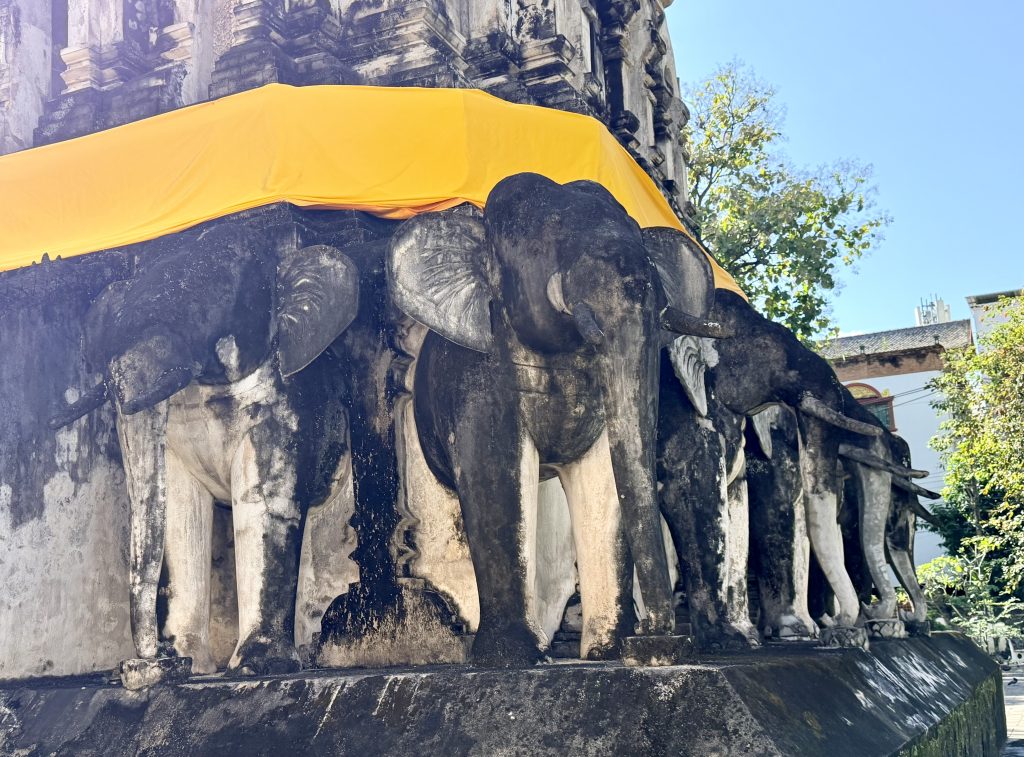
徒步沿着护城河走时,我们顺路绕进了清曼寺参观。清曼寺被认为是清迈最古老的寺庙,始建于 1296 年,与这座城市同龄。寺院里最吸引人的,是那座著名的十五象基座佛塔。佛塔的下层环绕着十五头半浮雕的大象,它们像是从塔基中探出身子,用躯体托起整座佛塔,视觉上非常独特。多数学者认为这些大象雕塑完成于 15 世纪兰纳王朝时期,带着浓厚的古老气息。
While walking along the moat, we took a short detour into Wat Chiang Man. It’s considered the oldest temple in Chiang Mai, founded in 1296, the same year the city was established. The highlight of the temple is the famous chedi with its base of fifteen elephants. Around the lower tier of the monument are fifteen half-relief elephants, appearing as if they are emerging from the structure and carrying the weight of the entire tower on their bodies—a striking sight. Most scholars believe these elephant sculptures were completed during the 15th-century Lanna period, giving them a strong sense of ancient character.
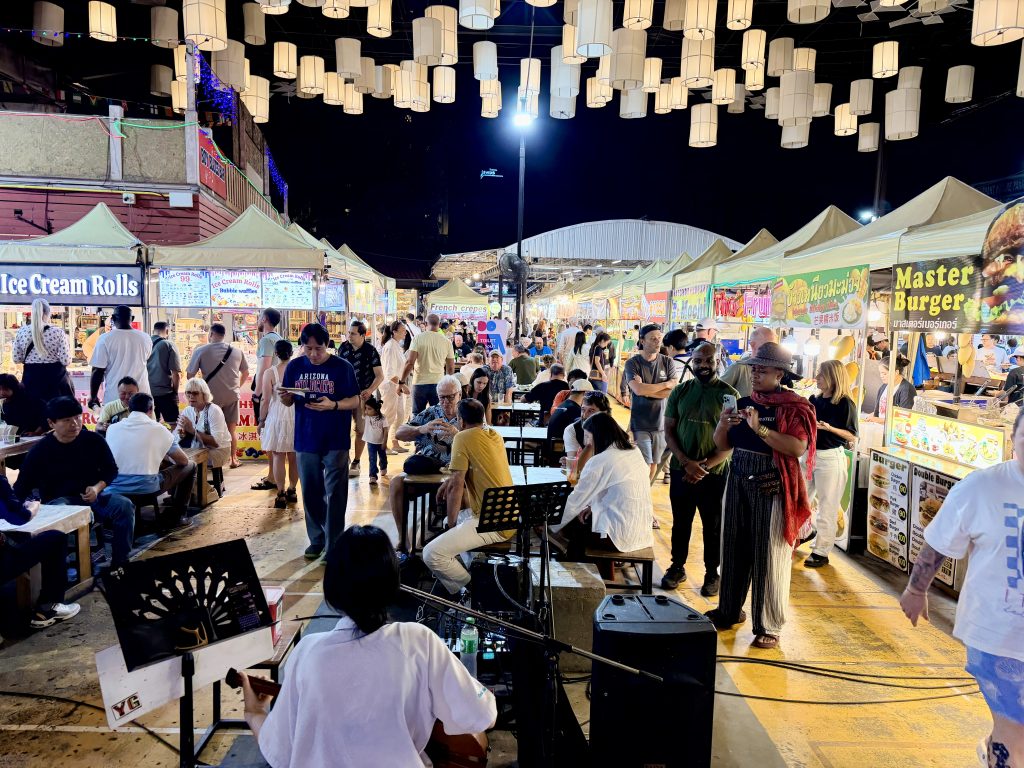
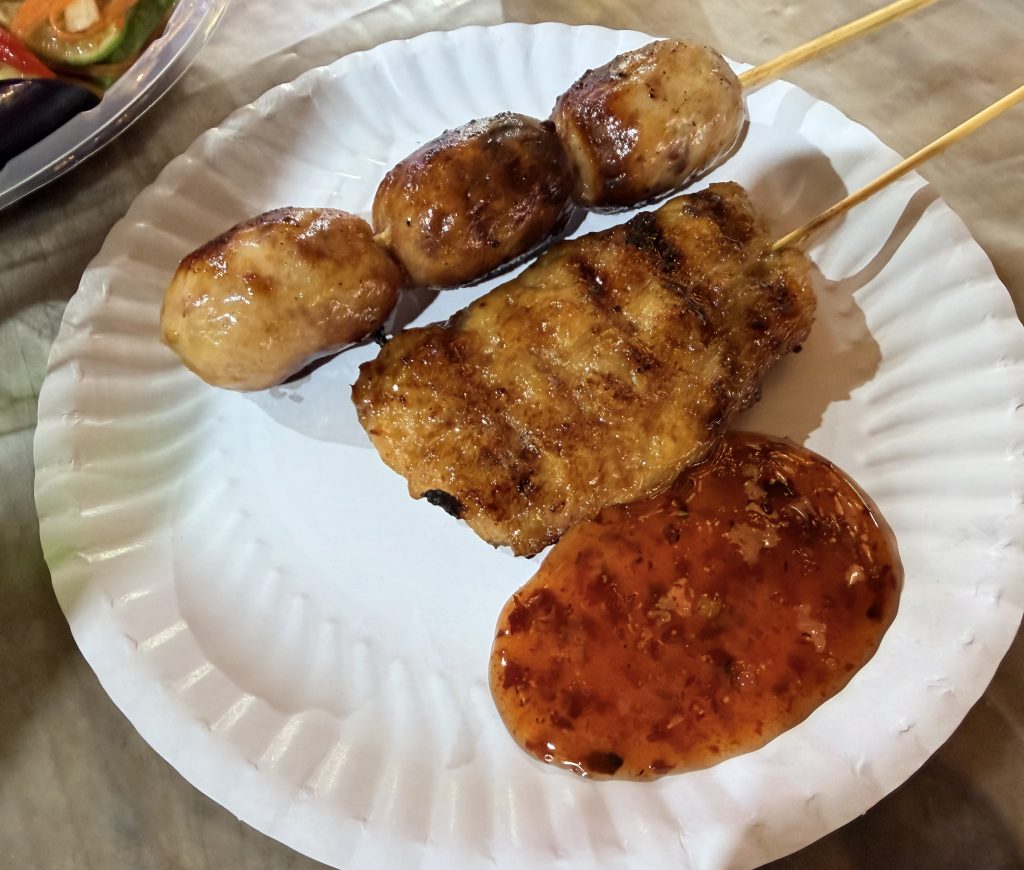
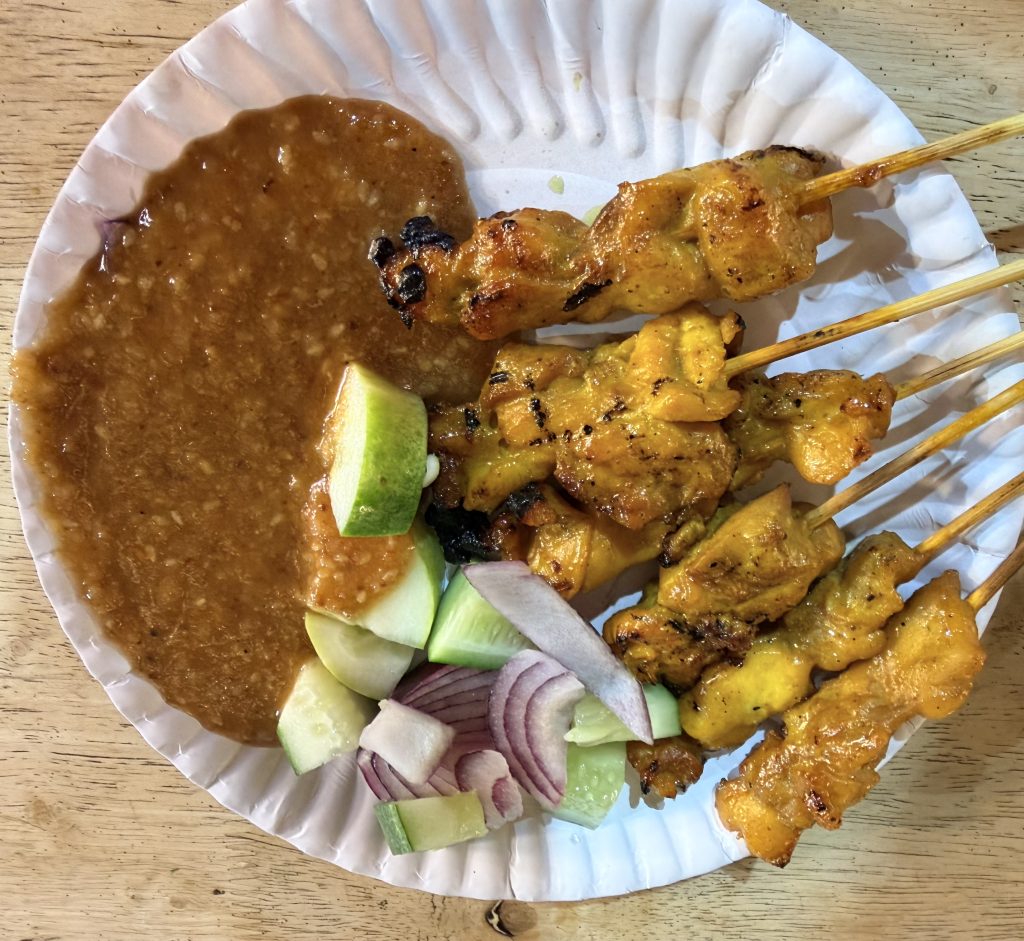
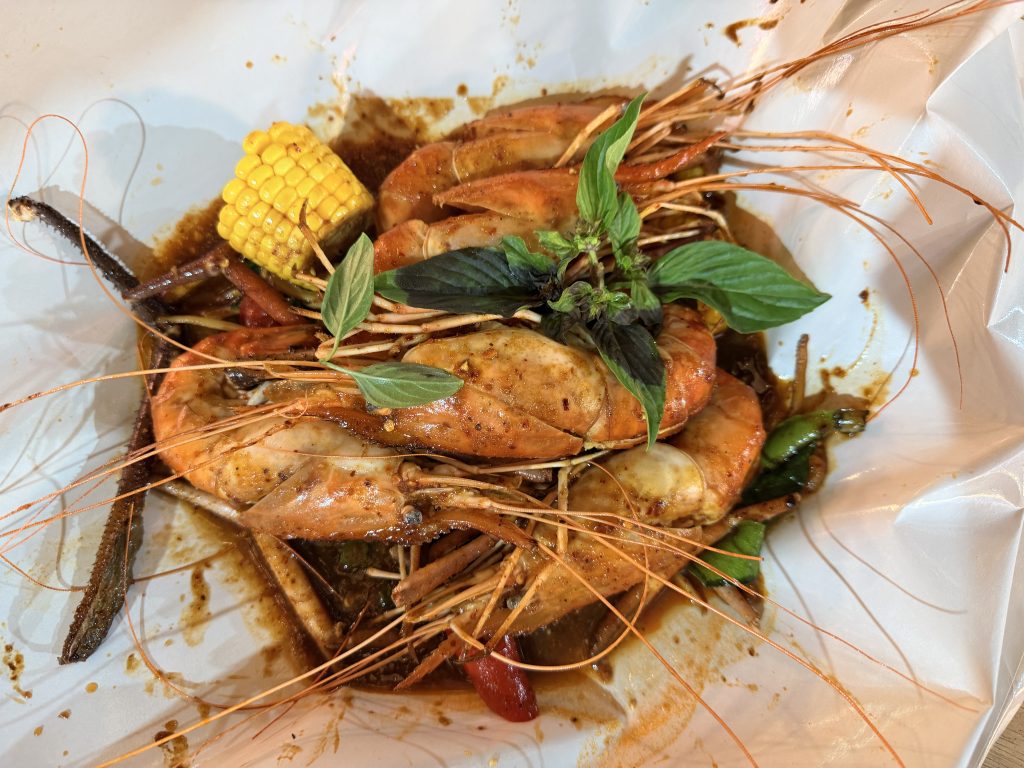
晚饭我们去了清迈长康路夜市,这里小吃摊云集、人潮涌动。一位朴素的、看起来像高中或大学生的小女孩在夜市里唱歌,面前放着一个写着“教育基金”的小费箱。她唱的都是那些耳熟能详的英文老歌,有着独特的味道,为夜市增添了一丝浪漫与柔软的氛围。她休息时,PJG 上前对她说她知道很多英文歌,结果对方毫无反应,大概是完全听不懂英文吧,哈哈。
For dinner we headed to the Chiang Mai Night Bazaar on Chang Klan Road, a busy stretch packed with food stalls and crowds. A plain looking, high-school- or college-aged girl was singing, with a small tip box in front of her labeled “Education Fund.” She sang familiar English classics with her own gentle style, adding a touch of romance and softness to the night market. When she took a break, PJG went up and told her she knew many English songs, but the girl didn’t respond at all—probably didn’t really understand much English, haha.
It was a relatively uneventful and relaxing day, although we did walk over 9 miles!
虽然这是放松的一天,我们也走了九英里多!
The bear was blessed by the Buddha today! – 小熊今天得到佛祖祝福!

It’s amazing that any of the walls of the moats are still standing.
The beautiful plants you have seen today and yesterday grow very well in tropical climates.
This photo doesn’t do the elephants justice but seeing this temple would be very nice indeed.
You had a very nice 9 mile walk today. And what a treat for little bear to be blessed by the Buddha.
你俩今天可真能走啊,体力可以!
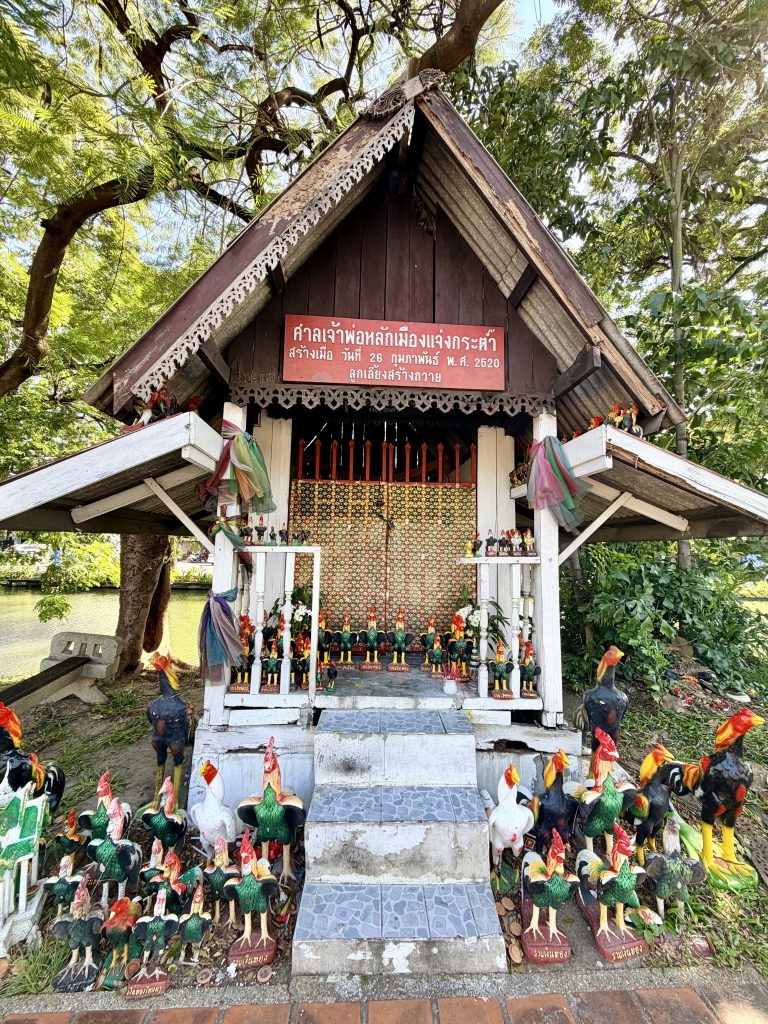
公鸡庙和大象佛塔好特别呀。
香蕉树好有气势!
今天的小熊视频依然很好看!