11/15/2025, 星期六,Saturday, The 14th day of our Down Under to Eastern Delight trip
来了新西兰,怎么能错过她们的国鸟——奇异鸟呢?
How could we come to New Zealand and miss seeing its national bird—the kiwi?
上午雨一直不停,我们被困在民宿里看着天色反复,终于等到一阵放晴,立刻叫了 Uber 去奥克兰动物园,只为了亲眼见见这种只在新西兰才能见到的奇特生物。
The rain kept falling all morning, trapping us in our Airbnb as the sky shifted back and forth. Finally, when it cleared for a while, we immediately called an Uber to the Auckland Zoo—just to catch a glimpse of this unique creature found only in New Zealand.
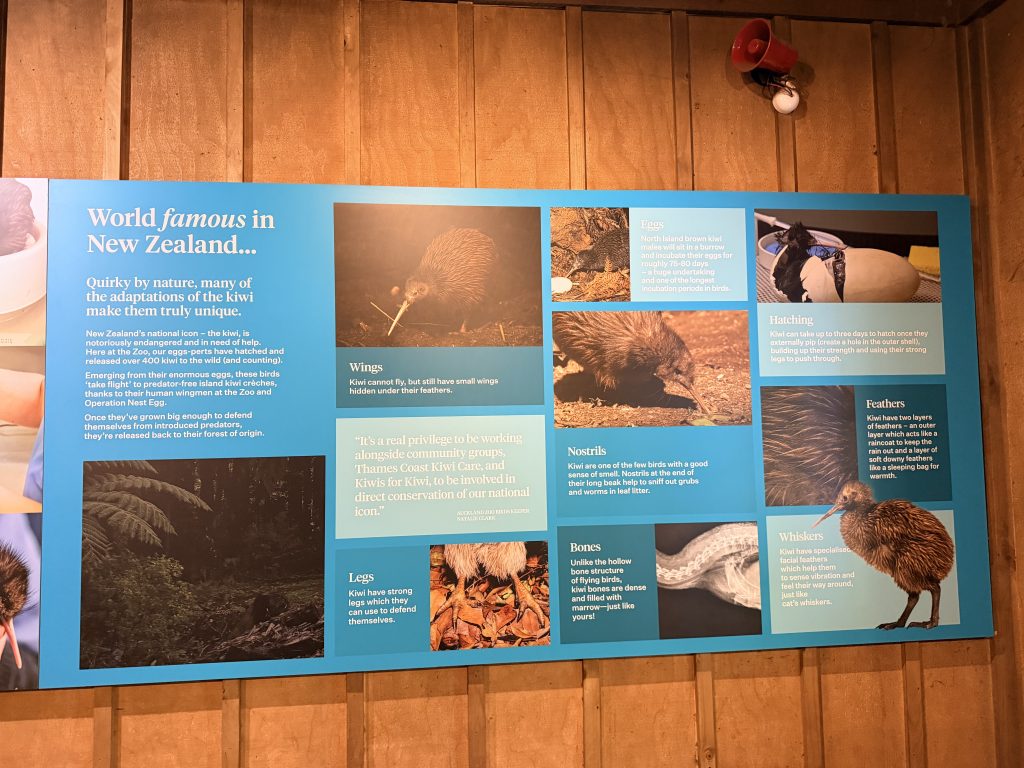
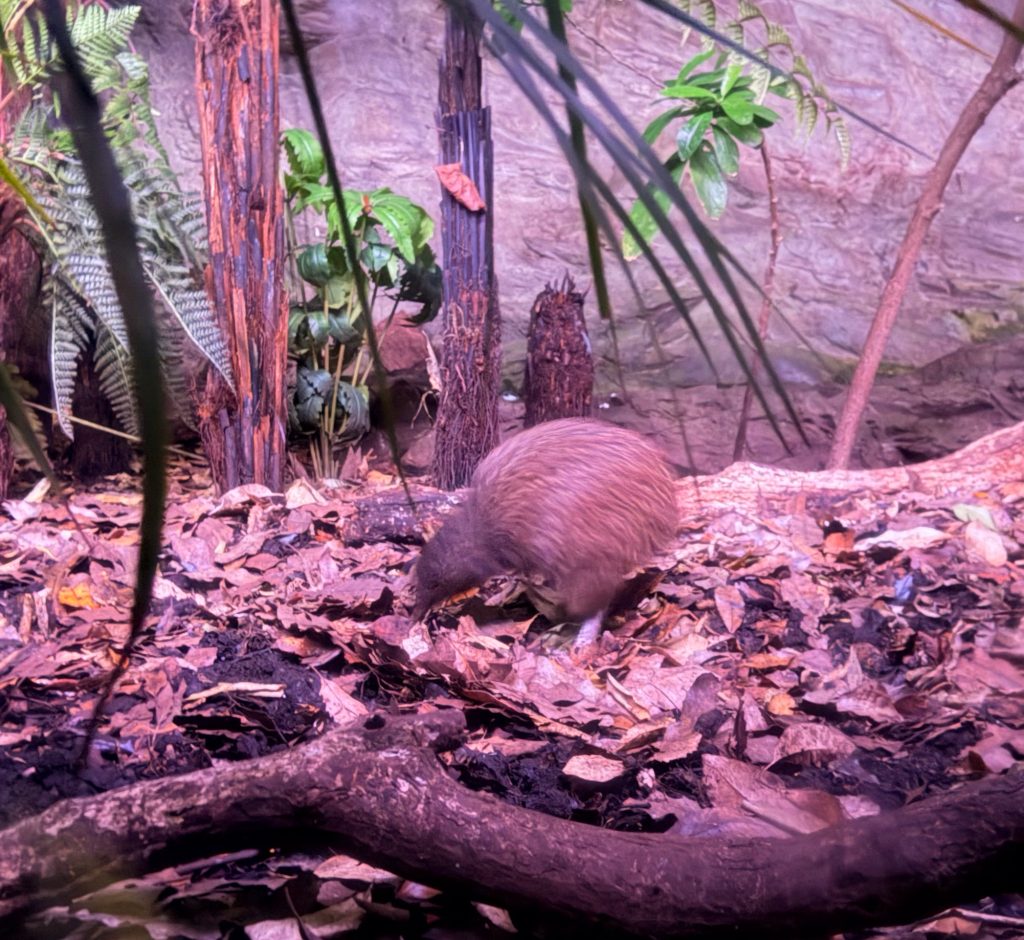
奇异鸟(Kiwi)是新西兰的国家象征,却不是典型的鸟类。它们不会飞,是典型的夜行动物,甚至因为拥有许多哺乳动物特征,被称为“荣誉哺乳动物”。例如,它们的骨头沉重且充满骨髓;多数鸟依赖视觉,但奇异鸟最发达的是嗅觉与触觉——它们是世界上唯一喙尖长着鼻孔的鸟类,能够从落叶和泥土中闻出隐藏的昆虫。它们还有类似猫的胡须,而蓬松的羽毛更像毛发。此外,奇异鸟孵蛋所需的精力惊人,孵化期长达 80 天,是一般鸟类的两倍多,几乎接近小型哺乳动物的妊娠期。
The kiwi, New Zealand’s national symbol, is far from a typical bird. It cannot fly and is strictly nocturnal. Because it shares many traits with mammals, it’s often called an “honorary mammal.” For instance, its bones are heavy and filled with marrow. Unlike most birds that rely on sight, the kiwi’s strongest senses are smell and touch—it’s the only bird in the world with nostrils at the tip of its beak, allowing it to sniff out insects hidden under leaves and soil. It even has cat-like whiskers, and its soft, fluffy feathers resemble hair more than plumage. Incubating a kiwi egg takes an extraordinary amount of energy: the process lasts around 80 days—more than twice that of most birds and nearly as long as the gestation period of some small mammals.

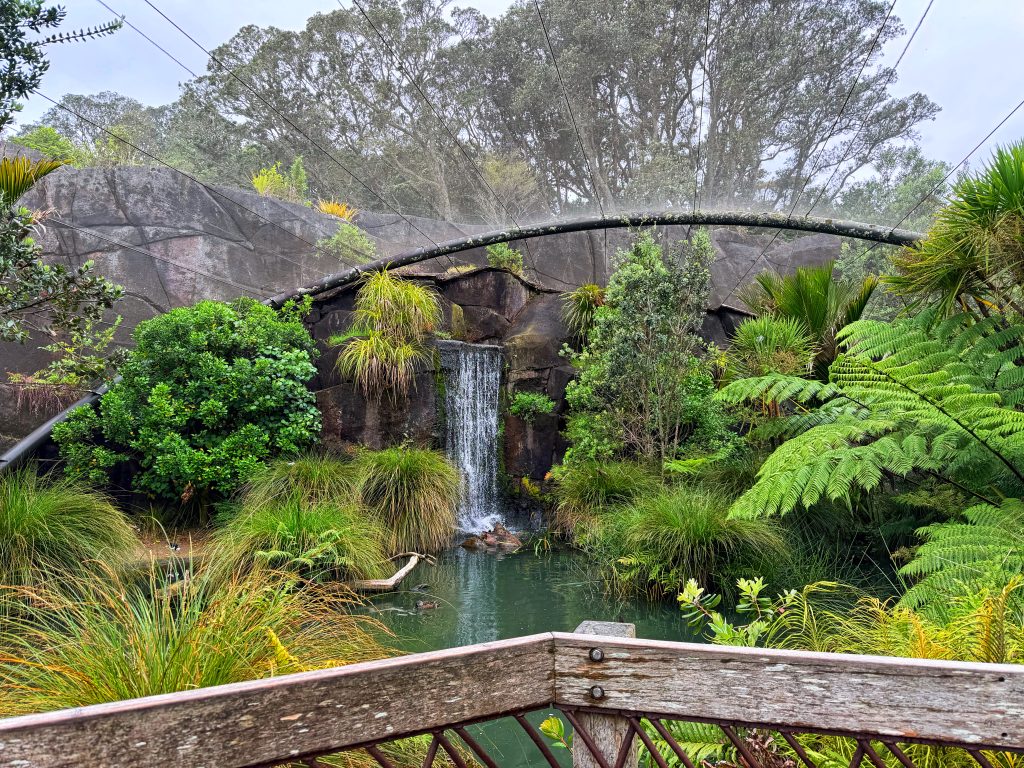
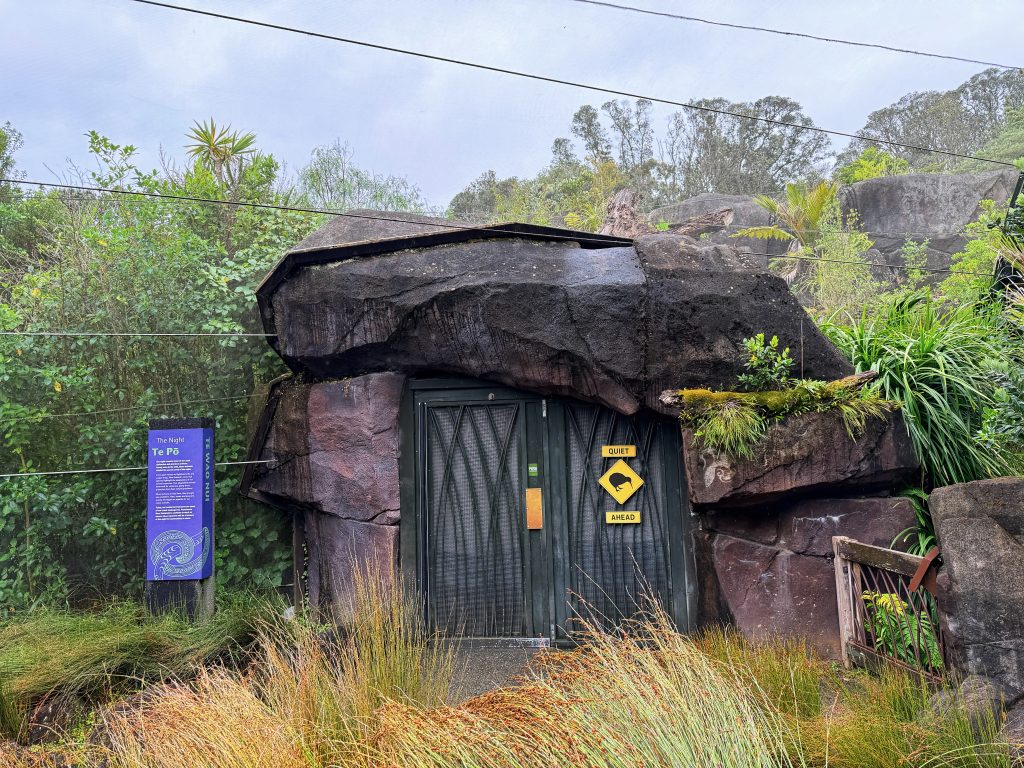
到了动物园,成人票28元,我们直奔奇异鸟馆, 馆里灯光极其昏暗,为它们模拟自然的夜间环境。我们进去后眼睛花了好一阵才适应,终于看见四只奇异鸟在各自的区域里活动。它们比想象中大只,身体圆滚滚的,在地上来回踱步,用长长的喙在落叶里细致地探寻,好像每一下都格外认真。虽然在暗光下看不清一些细节,但能在它们的节奏里观察这位“国鸟”的生活方式,真的是一种特别的体验。
At the zoo, adult tickets cost 28 NZD. We headed straight for the Kiwi House, where the lighting was kept extremely dim to mimic their natural nighttime environment. It took a while for our eyes to adjust, and then we finally spotted four kiwis moving around in their own enclosures. They were larger than we had imagined—round and sturdy, pacing back and forth as they probed carefully through the fallen leaves with their long beaks, as if each peck demanded complete attention. Though it was hard to see all the details in the darkness, observing the national bird in its own quiet rhythm was truly a special experience.
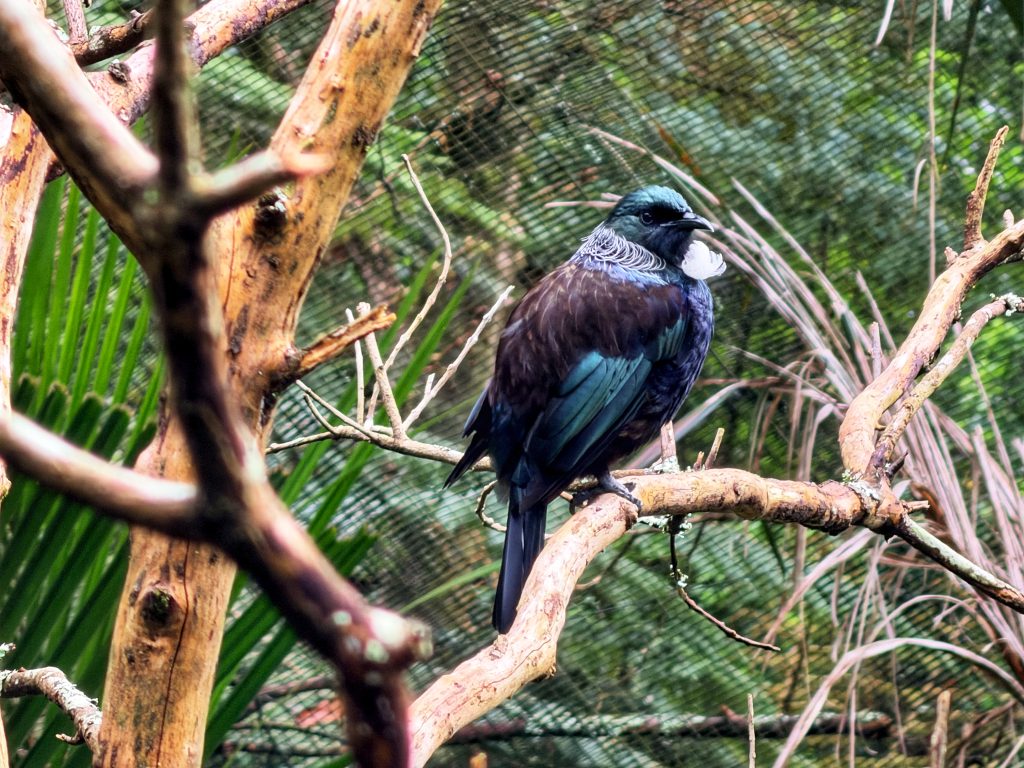
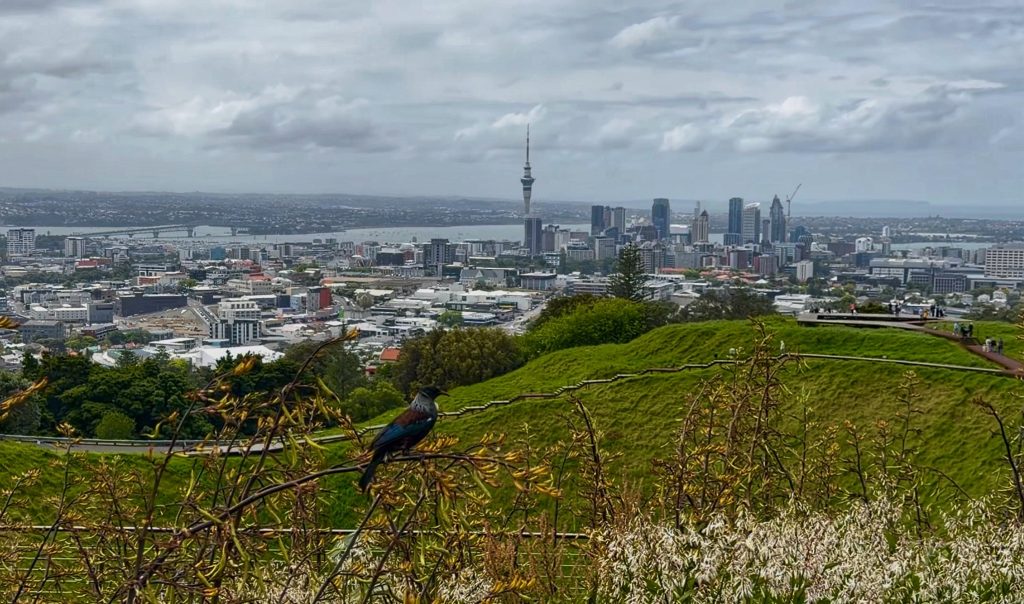
走出奇异鸟馆后,我们来到了新西兰本地森林鸟展区。这里是露天的,郁郁葱葱的树木和灌木让人仿佛置身原始森林。鸟儿似乎都藏了起来,只能听到不时传来的各种奇妙鸣叫。忽然抬头,一只鸟地站在树梢上——看了说明牌才知道,它叫图伊鸟(Tui)。图伊鸟是新西兰特有的鸟类,羽毛在阳光下闪耀着蓝绿金属光泽,喉下还长着一对可爱的白色羽球,像系着一对小毛球装饰。它的叫声丰富多变,能模仿其他鸟甚至人声和手机铃声,是新西兰森林里最有“音乐感”的精灵之一。
After leaving the Kiwi House, we entered the New Zealand native forest bird area. It was an open-air space filled with lush trees and shrubs, making us feel as if we had stepped into a primeval forest. The birds seemed to be hiding, and only their occasional, mysterious calls echoed through the greenery. Suddenly, we looked up and saw a bird perched on the treetop—it was a tui, as the sign explained. The tui is native to New Zealand, with feathers that shimmer in shades of blue and green under the sunlight and a pair of charming white tufts beneath its throat, like tiny fluffy ornaments. Its call is remarkably varied—it can imitate other birds, human voices, even cellphone ringtones—making it one of the most “musical” spirits of New Zealand’s forests.
我们接着来到了啄羊鹦鹉展区。刚进去时,两只鹦鹉都安静地站在高高的树梢上。昨晚与那对远房亲戚夫妇共进晚餐时,Ta们提到这种鸟非常聪明,会设法从人类那里获取食物。比如,它们知道路上的安全锥会让车辆减速或停下,于是会把安全锥挪来挪去,好让自己有机会靠近车里的人——完全是“智取”,不是硬来。
Next, we visited the kea enclosure. When we first entered, two parrots were quietly perched high in the trees. Over dinner last night, PJG’s distant relatives had mentioned that these birds are incredibly intelligent and often find clever ways to get food from humans. For instance, they’ve learned that traffic cones make cars slow down or stop—so they’ll move the cones around to create opportunities to approach the vehicles. It’s pure strategy, not force—true “brains over brawn.”
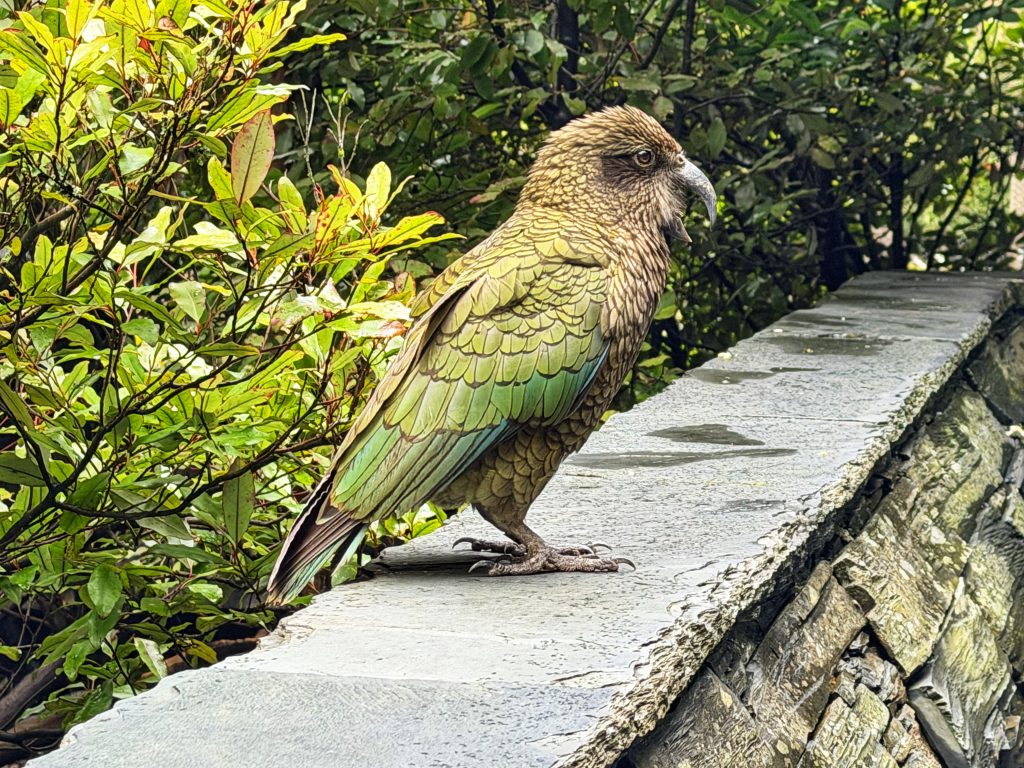
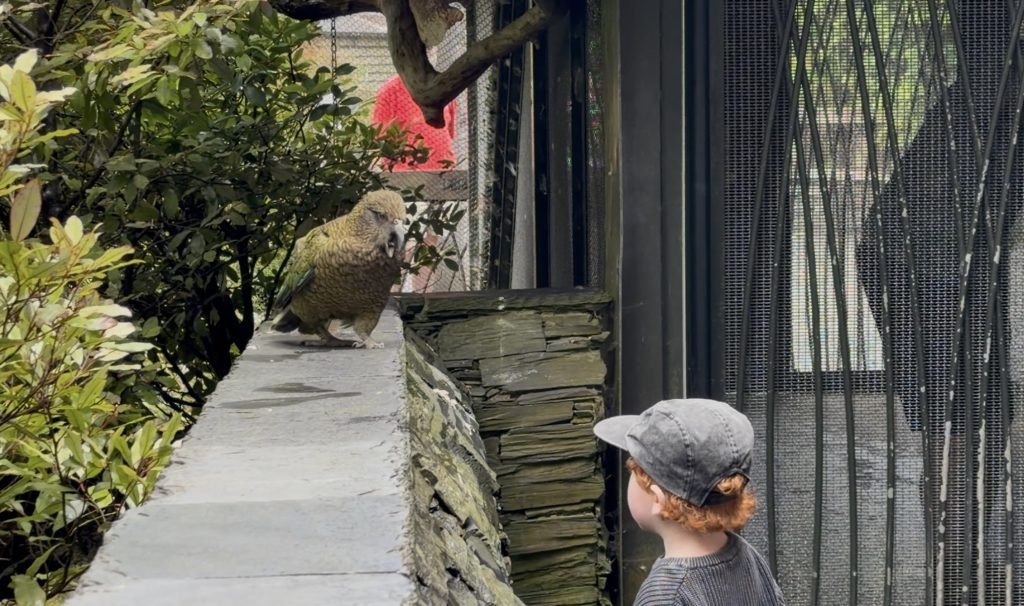
我正拍摄其中一只安静栖息在树梢上的啄羊鹦鹉时,它忽然决定飞下来,落在我眼前的台子上,开始来回踱步。游客们立刻围上来拍照,旁边有个小男孩有点调皮,冲它小声吼了一句,那只啄羊鹦鹉立刻回吼,把小男孩吓得转头就跑。过了一会儿,小男孩又跑回来跑回去,这只鸟每次都认出他,冲他鸟叫,非常有趣。
As I was photographing one of the keas quietly perched on a treetop, it suddenly decided to fly down and landed on a platform right in front of me, pacing back and forth. Visitors quickly gathered around to take pictures. A mischievous little boy nearby let out a small roar at it, and the kea immediately squawked back, startling him into running off. A moment later, the boy came running back and forth again, and each time, the bird recognized him and called out—an endlessly amusing exchange.
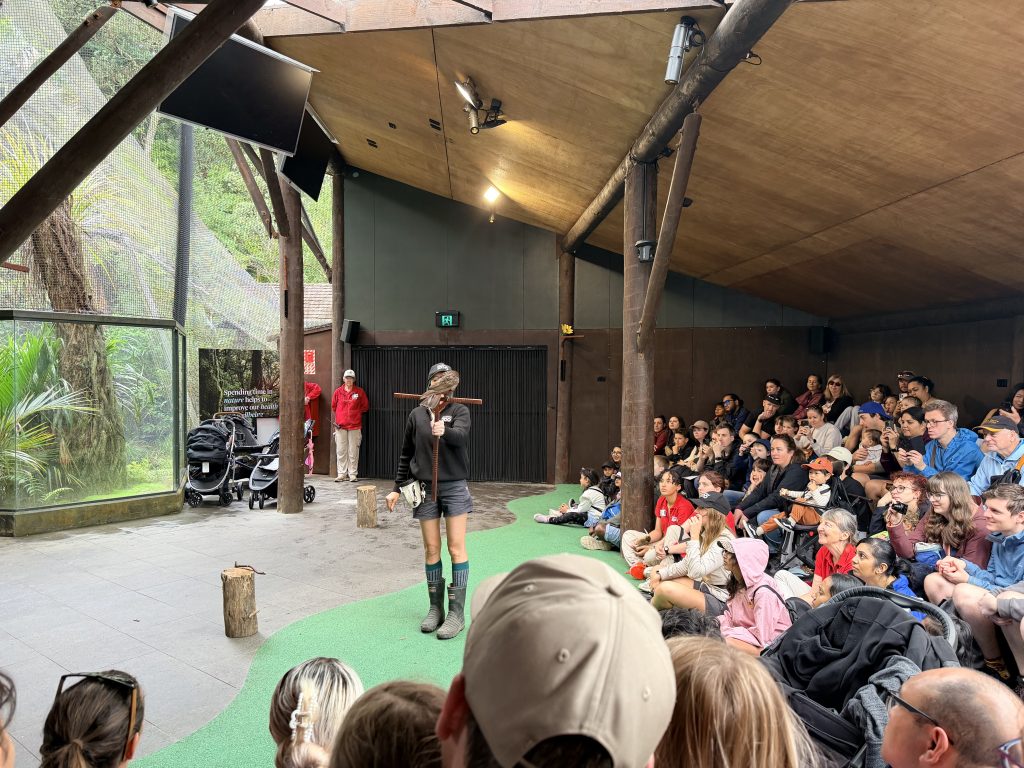
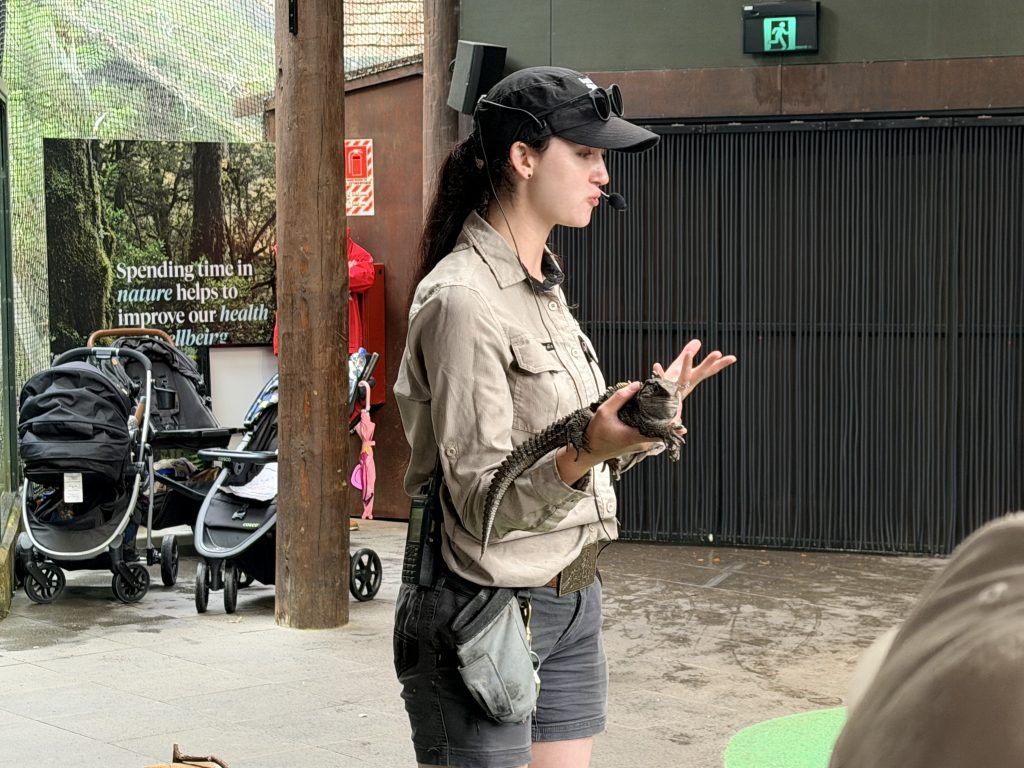
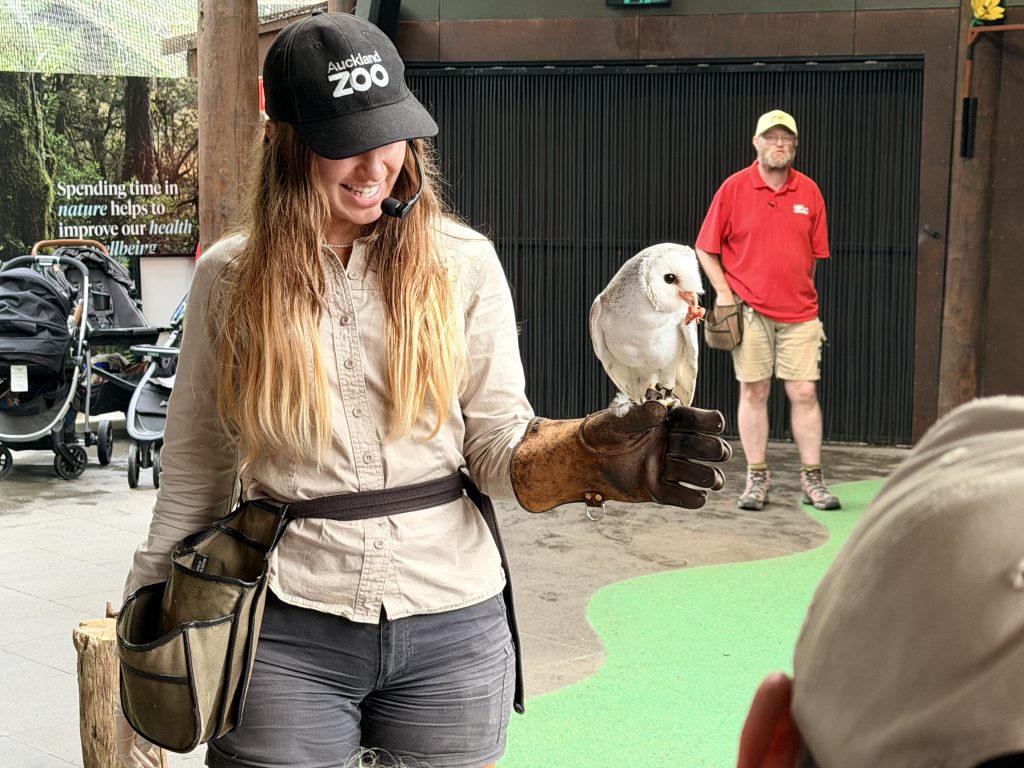
在我们看这只啄羊鹦鹉的时候,一个动物园的工作人员过来告诉我们,她们马上就要进行一个Bird show, 我们马上加入。 她们向游客展示了新西兰独特的鸟和动物
While we were watching the kea, a zookeeper came over and told us that a bird show was about to begin. We immediately joined. The staff introduced visitors to some of New Zealand’s unique birds and animals.
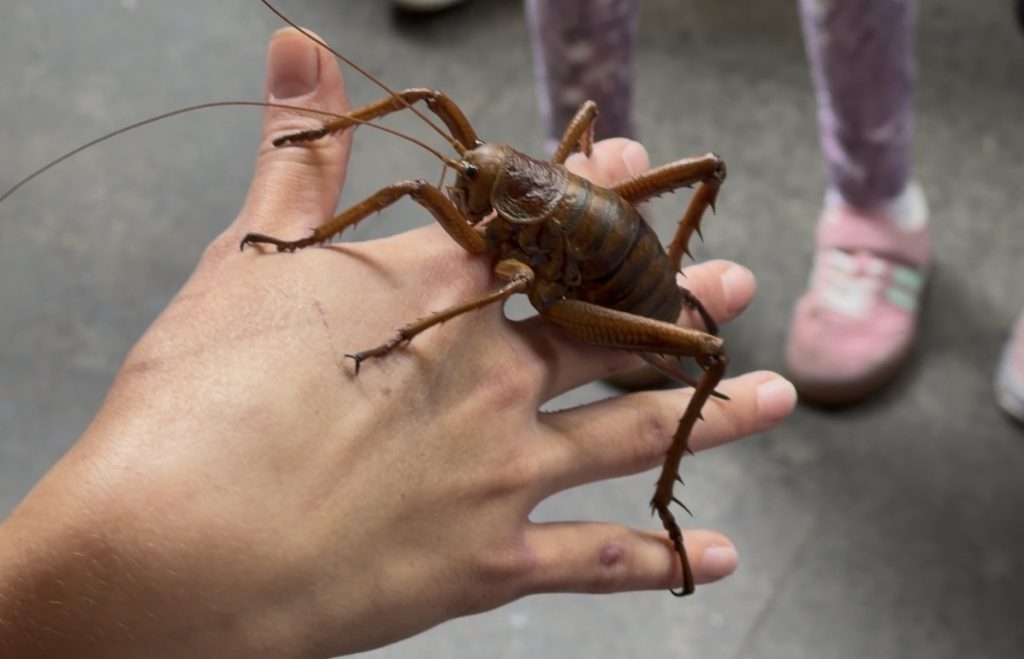
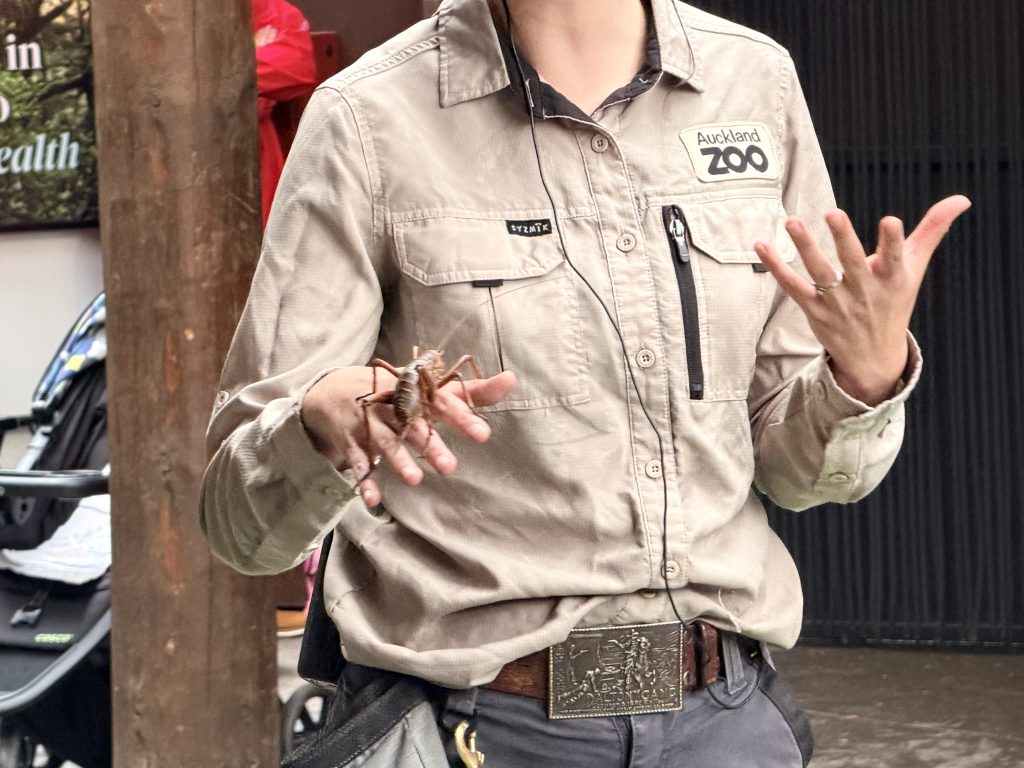
这是巨型维塔,新西兰特有的节肢动物,被认为是世界上最重、体型最大的昆虫之一。由于受到外来捕食者(如老鼠)的威胁,它们如今被列为重点保护物种。这个动物园饲养了 16 只巨型维塔,经过一些年的精心保护与繁殖,已经成功将 8,000 多只巨型维塔重新放归森林。
This is the giant wētā, an arthropod unique to New Zealand and considered one of the heaviest and largest insects in the world. Threatened by introduced predators such as rats, it is now a protected species. The zoo keeps 16 giant wētā, and after years of careful conservation and breeding, more than 8,000 of them have been successfully released back into the wild.
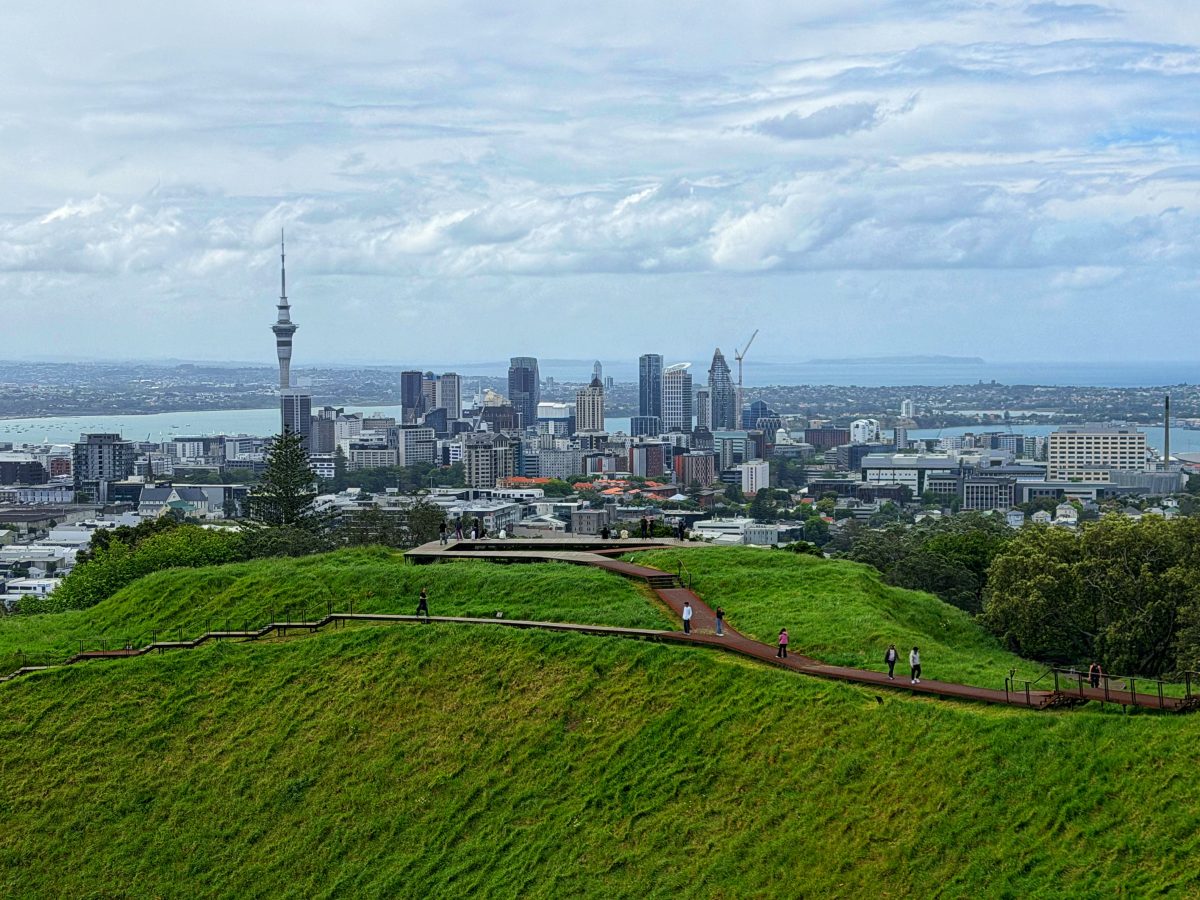
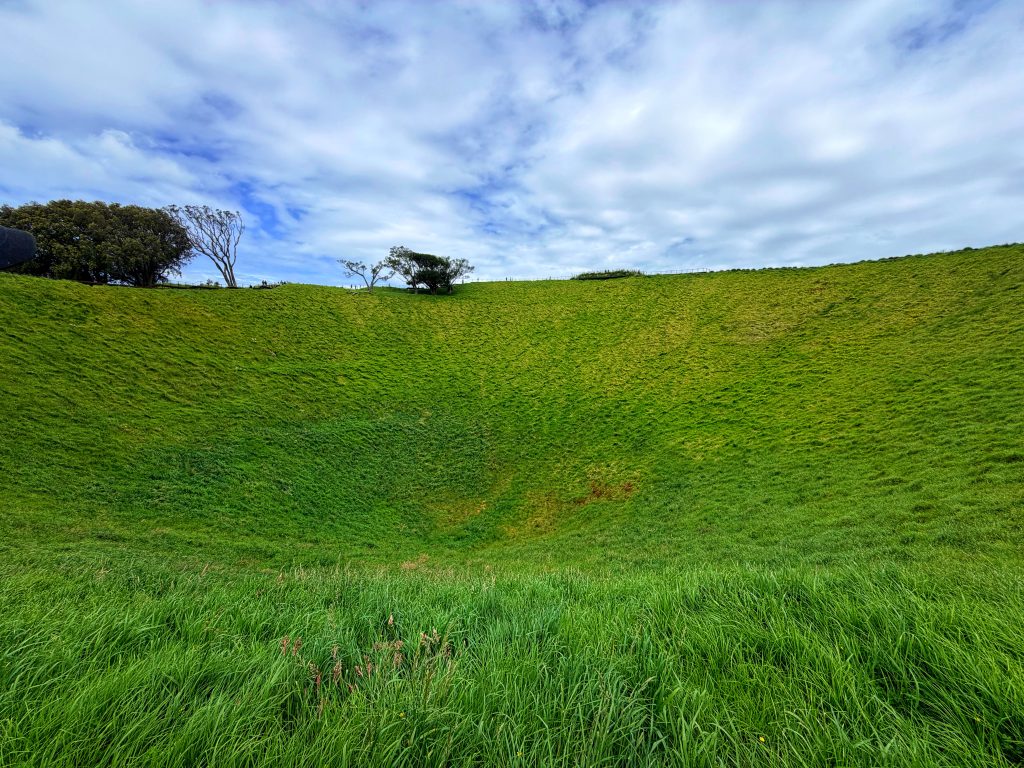
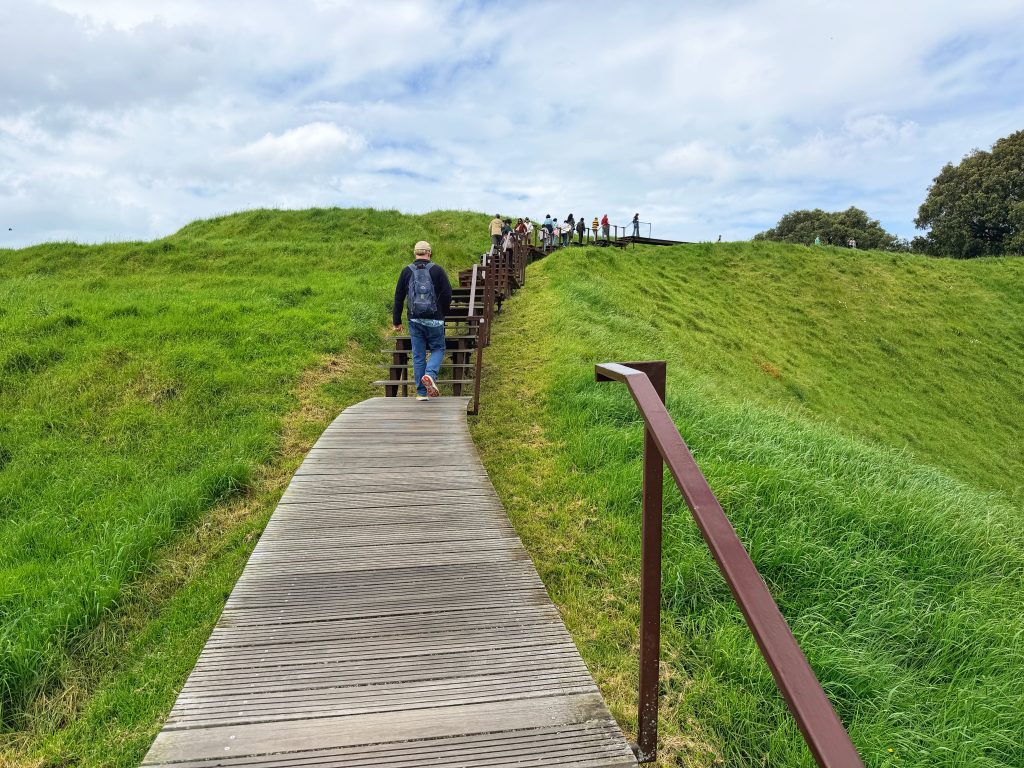
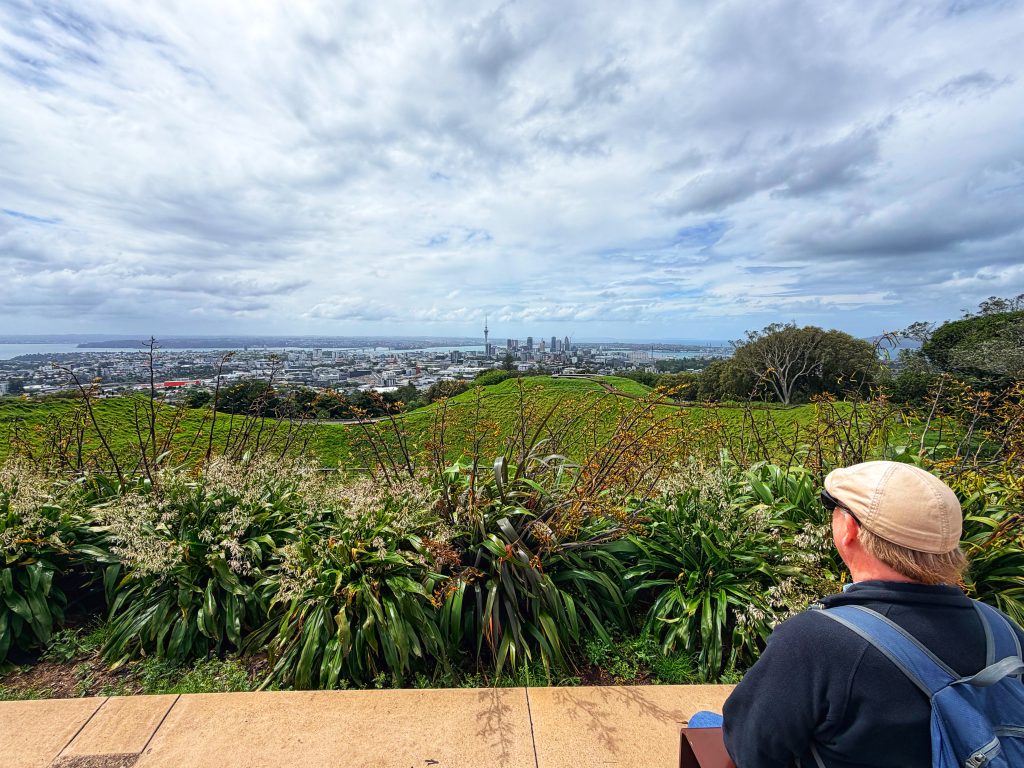
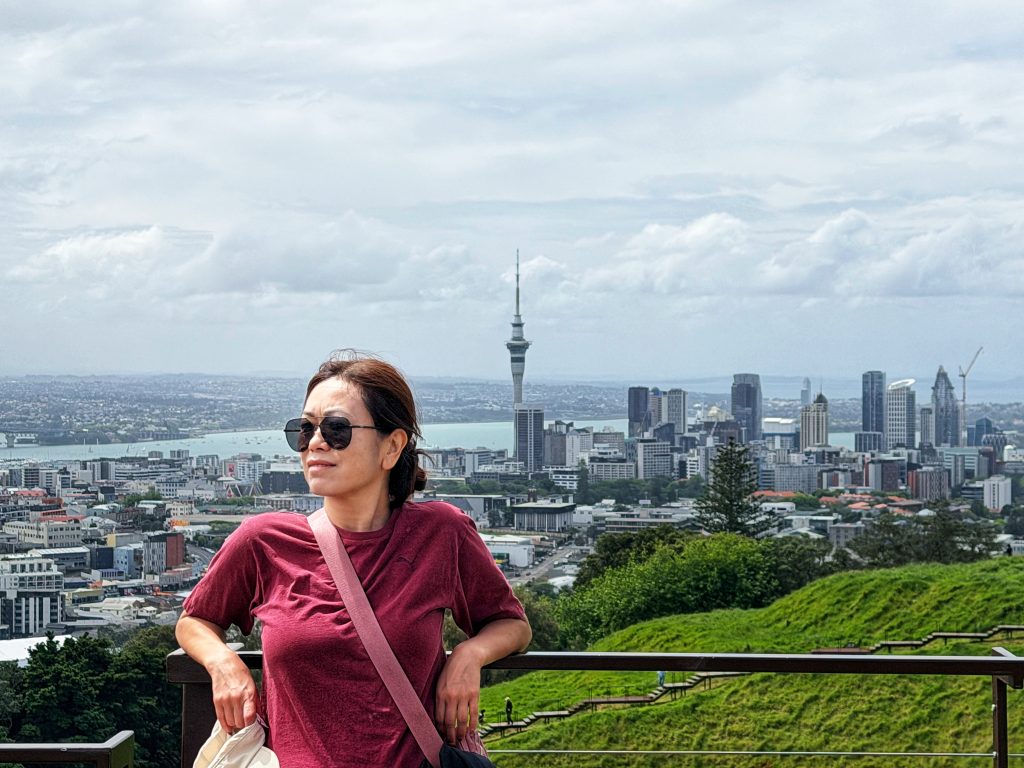
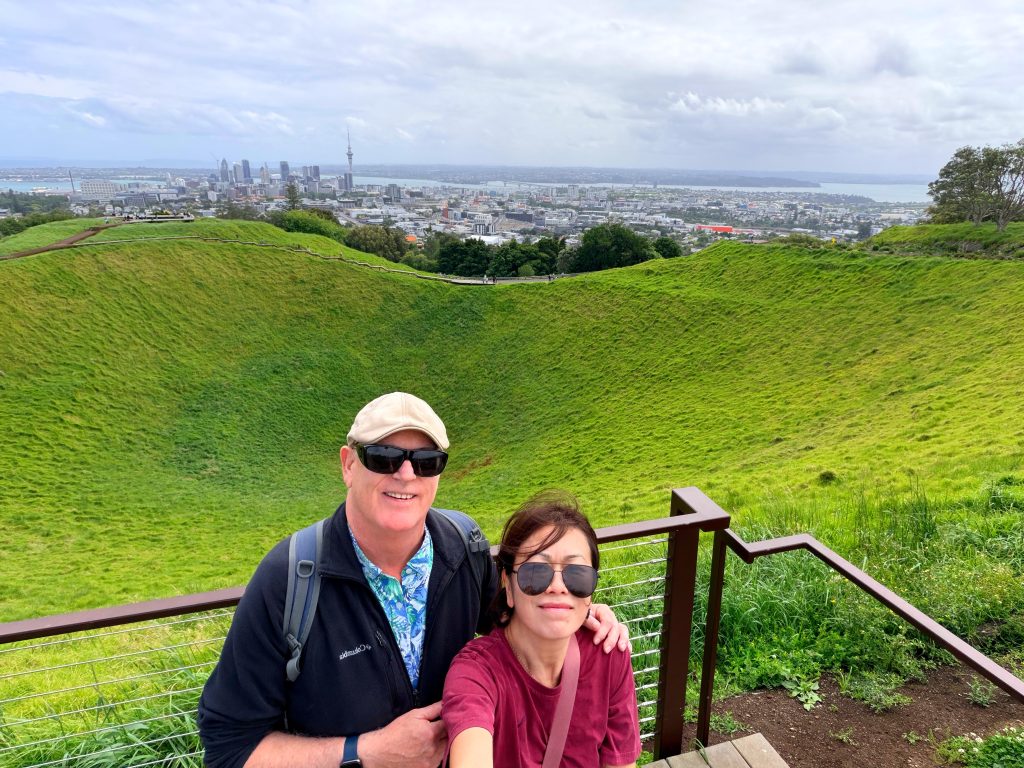
在动物园看完新西兰的一些独特动物之后,我们做Uber去了伊甸山,奥克兰最高的天然火山丘,由火山喷发形成的巨大火山口至今保存完好。奥克兰坐落在一大片活跃的火山区里,过去 14 万年间形成了约 53 座火山锥,每座都是一次性喷发形成的“岩浆气泡”。无论站在城市何处,放眼望去总能看到郁郁葱葱的火山丘,其中最著名的就是 伊甸山和一树山。毛利人曾长期居住于此,是一个非常神圣的地方。
After seeing some of New Zealand’s unique animals at the zoo, we took an Uber to Mount Eden—the highest natural volcanic cone in Auckland. The large crater formed by its eruption remains perfectly preserved today. Auckland sits atop an active volcanic field that has produced about 53 volcanic cones over the past 140,000 years, each created by a single eruption—like a bubble of magma bursting through the earth. No matter where you stand in the city, you can always spot one of these lush green volcanic hills, the most famous being Mount Eden and One Tree Hill. The Māori people once lived here for generations, and it remains a deeply sacred place.
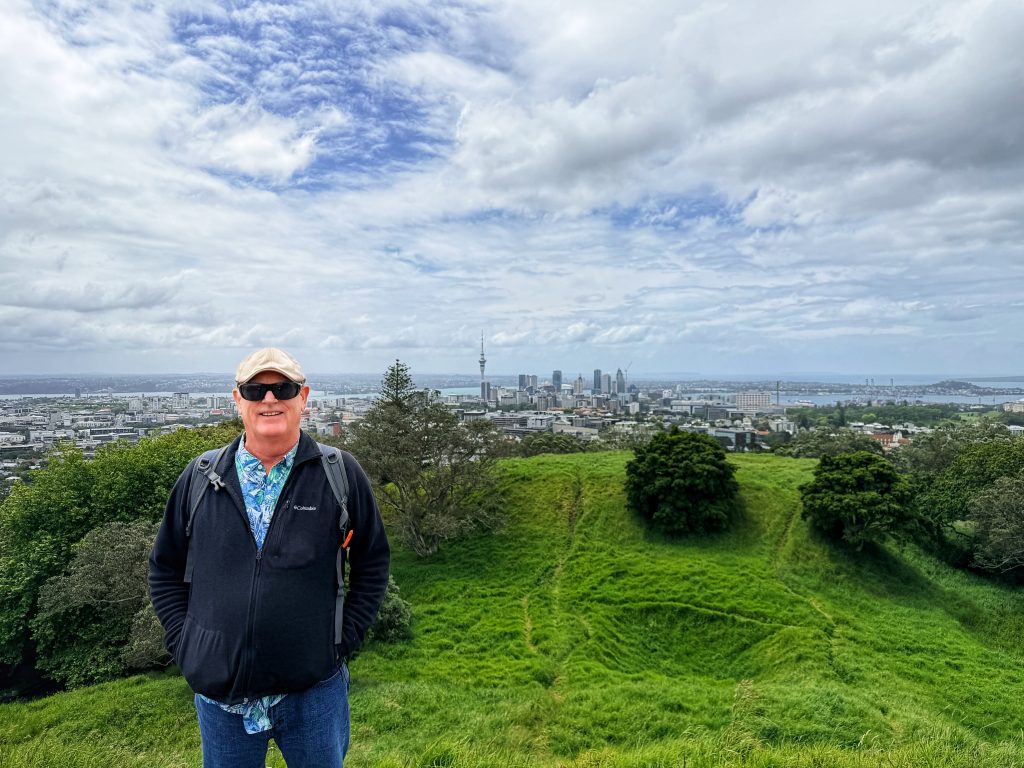
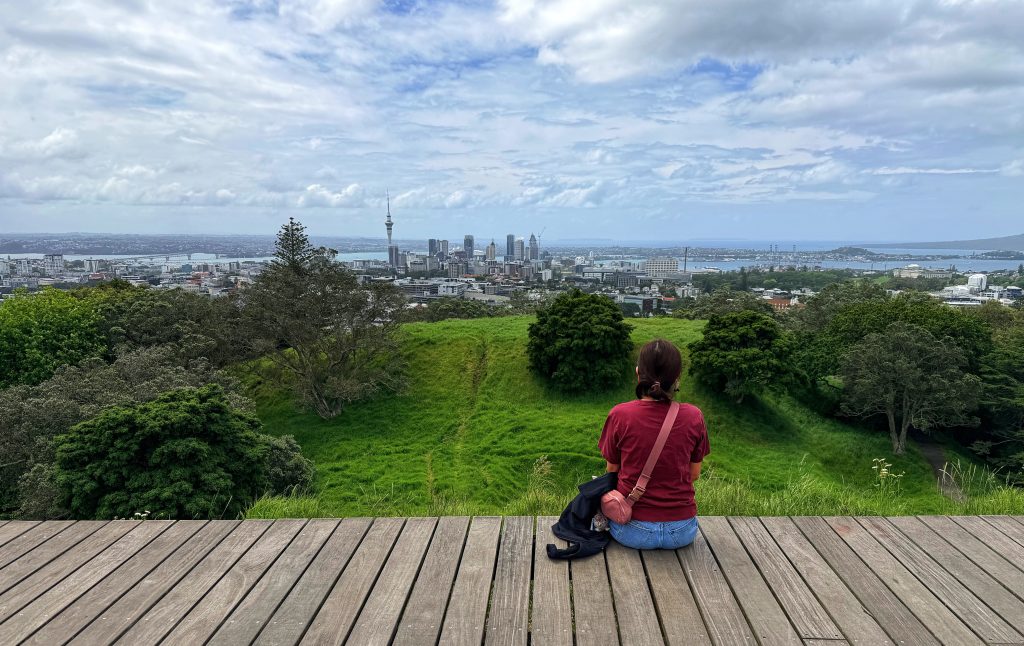
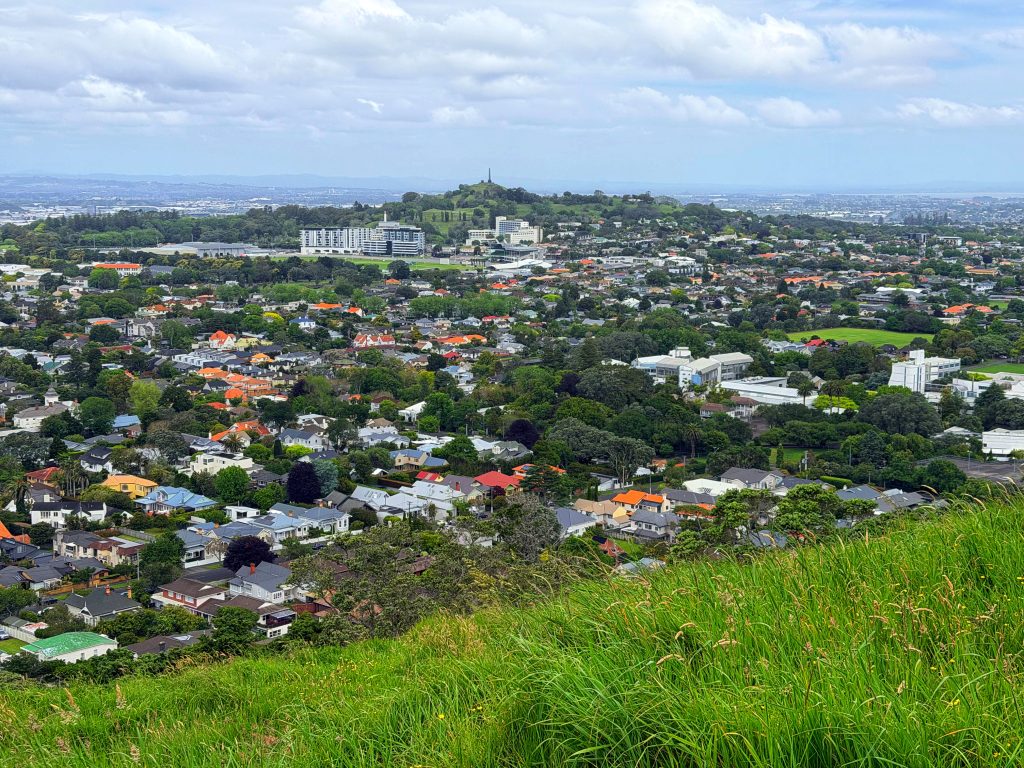
山顶视野极佳,沿着步道绕火山口走一圈,便能 360 度俯瞰整个奥克兰市区、海港与天空塔。微风吹过,脚下是陡峭的火山口,远处城市与大海相映,站在顶端有种把整个奥克兰尽收眼底的震撼感,难怪这里是最受欢迎的观景点之一。
The view from the summit is magnificent. Walking along the path encircling the crater offers a full 360-degree panorama of Auckland, the harbor, and the Sky Tower. With the breeze blowing and the steep crater beneath your feet, the city and sea stretching out in the distance, you can’t help but feel awed—as if the whole of Auckland lies at your feet. It’s easy to see why this is one of the city’s most popular lookout spots.
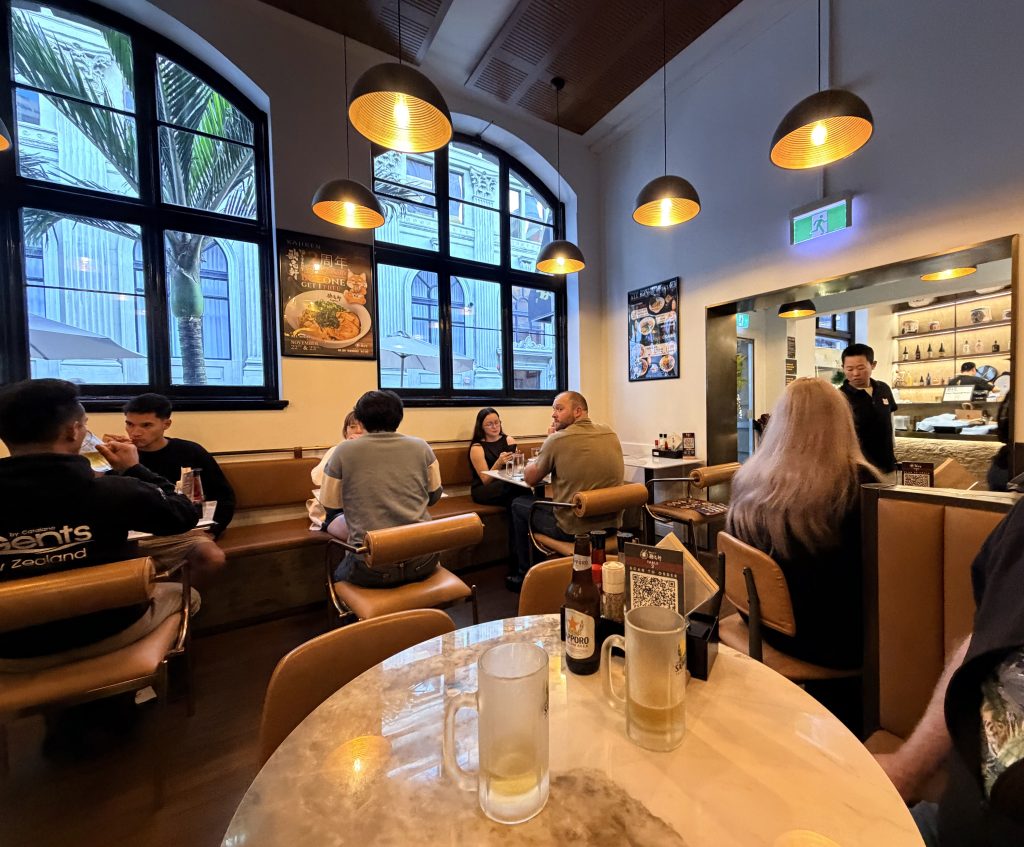
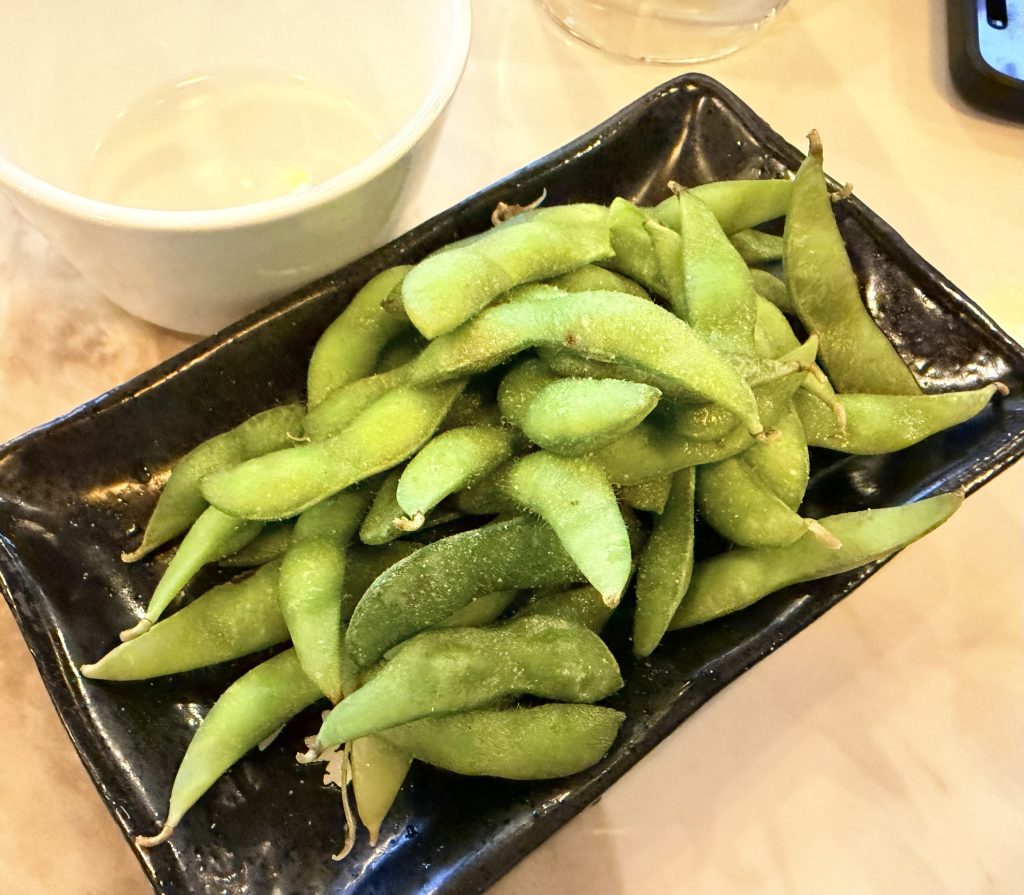
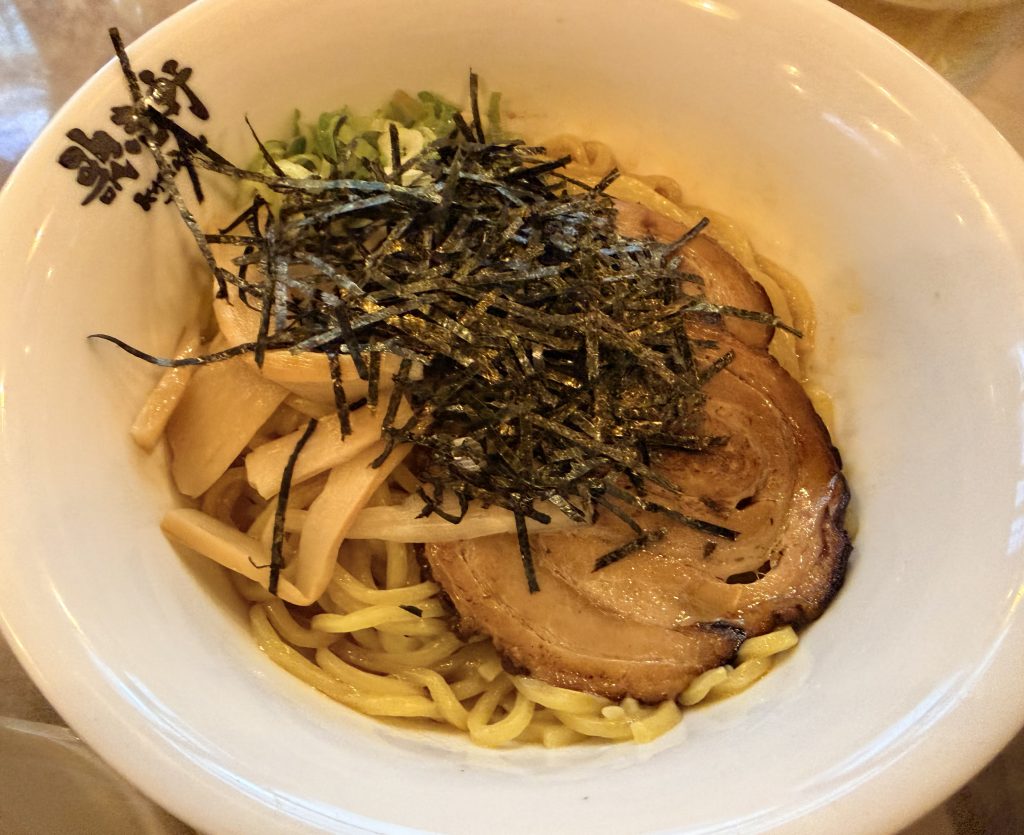
傍晚回到民宿后,我们收拾好行李,为明天前往皇后镇做准备。晚餐在附近一家日式拉面馆解决,一碗热腾腾的拉面让人十分满足。短短几天,奥克兰的第一段旅程就这样悄然结束了。
In the evening, after returning to our Airbnb, we packed our bags in preparation for tomorrow’s trip to Queenstown. Dinner was at a nearby Japanese ramen restaurant—a hot bowl of noodles that felt wonderfully comforting. And just like that, our first few days in Auckland quietly came to an end.


The Tui bird spotted the bear! 啄蜜鸟发现了小熊!
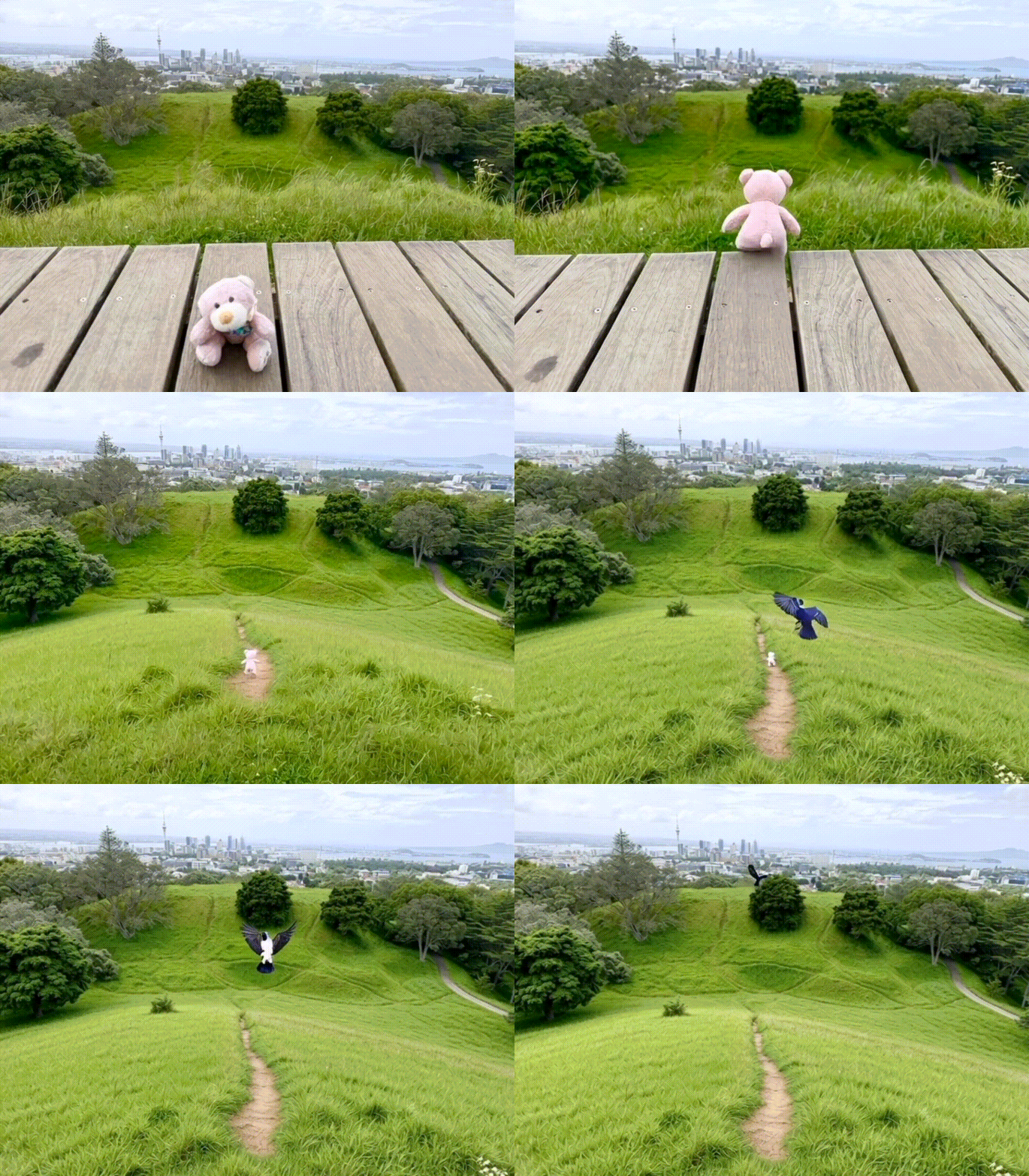
有趣的一天,也是让我大开眼界的一天!
奇异鸟很独特呀!
啄羊鹦鹉🦜和小男孩的互动,很有意思。
哈哈,小熊的经历跌宕起伏呀!可以给小熊起个名字。
What fun to finally see a kiwi. You gave me lots of new information about it.
The Tui is a pretty bird and it would be funny to see people trying to answer their phones!
I laughed to learn how the Kea moves traffic cones to help it beg for food. Watching the Kea fly down to greet you and then interact with the young boy must have been fun to watch.
It sounds like your whole day was a wonderful experience.
Hopefully little bear made friends with the Tui and was not a tasty meal!